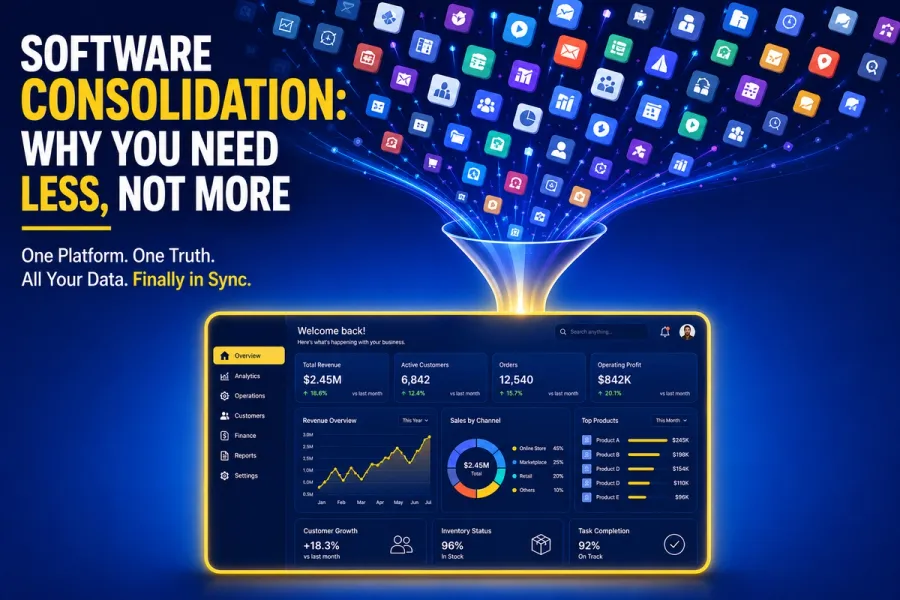
Software Consolidation SaaS Management Enterprise Software
July 27, 2026 The average company runs 100+ apps and uses a fraction. A guide to software consolidation — how to cut SaaS sprawl and move to one platform that fits.

Healthcare CRM Healthcare CRM Compliance Digital Personal Data Protection Act
July 25, 2026 What healthcare CRM software must handle under India's DPDP Act, ABDM standards, and HIPAA for US patient data. Compliance checklist inside.
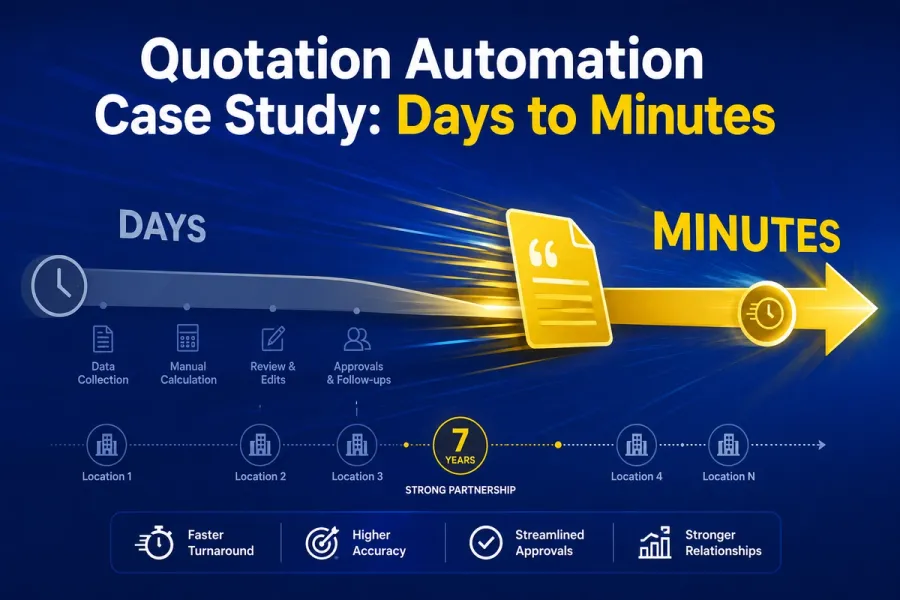
Quotation Automation Quotation Management System Business Process Automation
July 24, 2026 Case study: how rebuilding a quotation and approval workflow took quotes from days to minutes — and anchored a 7-year, multi-location partnership.
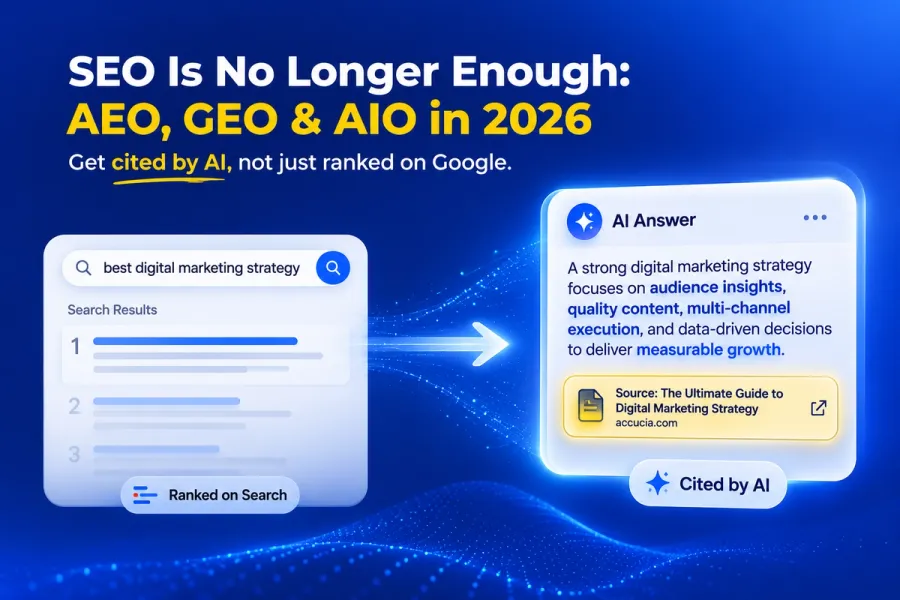
SEO AEO Answer Engine Optimization
July 23, 2026 Buyers now ask ChatGPT, Perplexity and Google AI before they visit your site. A 2026 guide to AEO, GEO and AIO — how to get cited by AI, not just ranked.
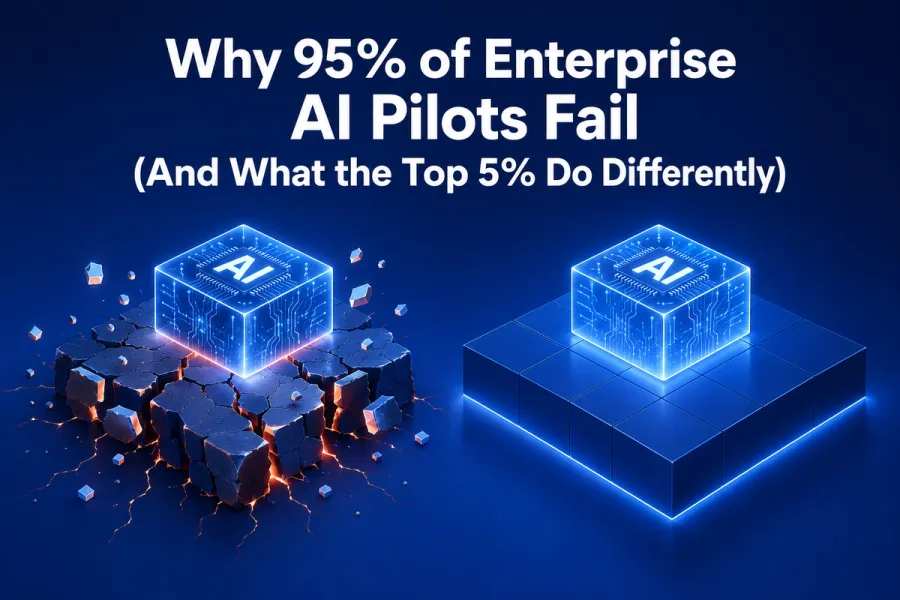
Enterprise AI AI Pilot Generative AI
July 22, 2026 95% of enterprise AI pilots fail to deliver ROI, per MIT research.
Here's exactly why they fail — and the 4-step framework that gets AI into production.
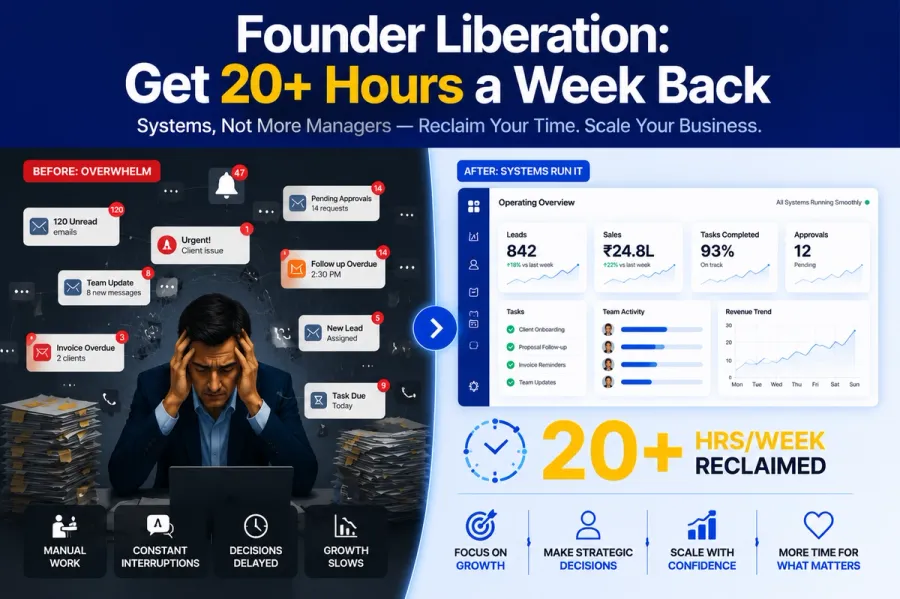
Founder Dependency Founder Liberation Business Automation
July 21, 2026 If every decision lands on you, you don't have a business — you have a job. How founders reclaim 20+ hours a week by building systems, not hiring more managers.
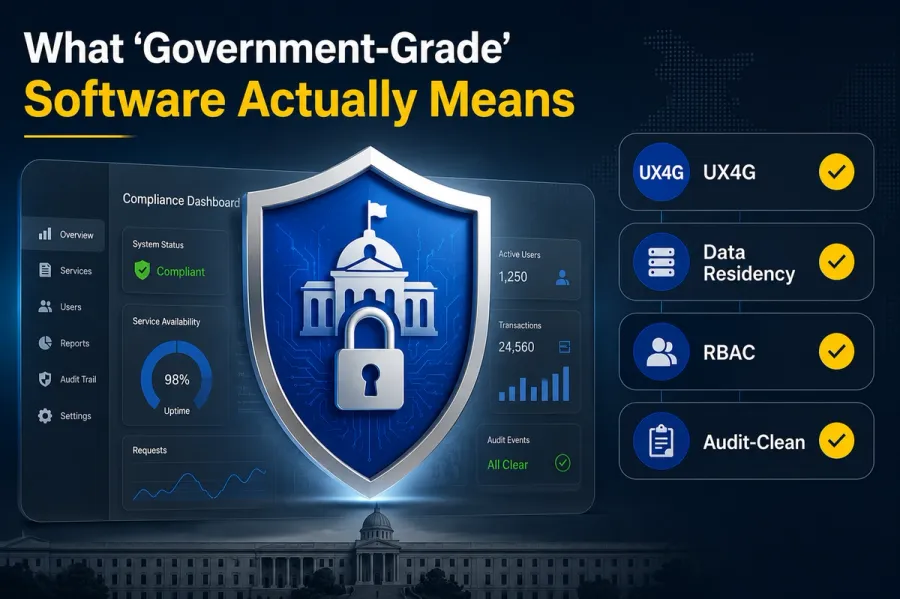
Government Software Government-Grade Software Digital Governance
July 20, 2026 'Government-grade' is more than a slogan. A clear breakdown of what public-sector software in India must meet: UX4G, data residency, RBAC, audit-clean rollout.
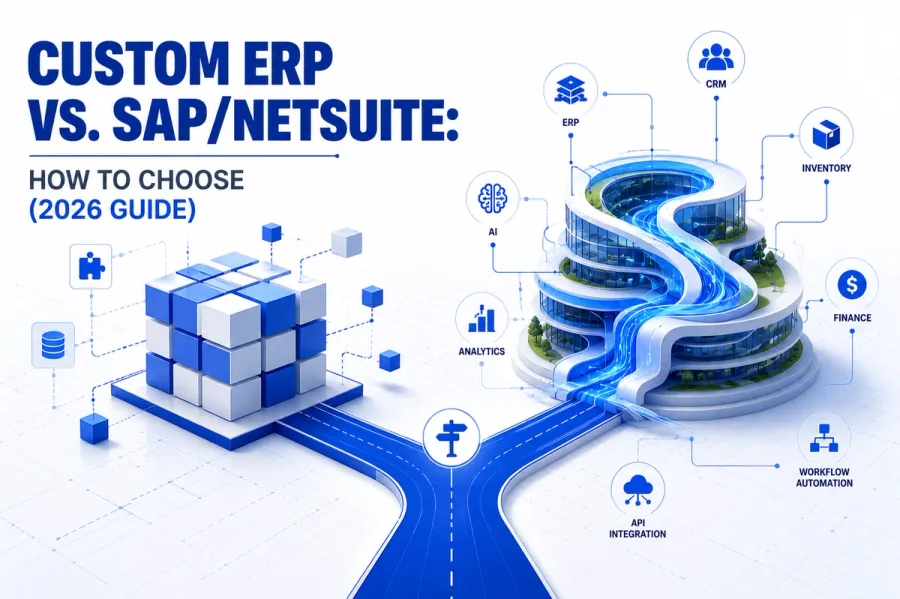
ERP Custom Software, SAP NetSuite
July 18, 2026 Custom ERP or SAP/NetSuite? Compare cost, timeline and fit for enterprise founders outgrowing their systems, plus a 5-question decision framework.
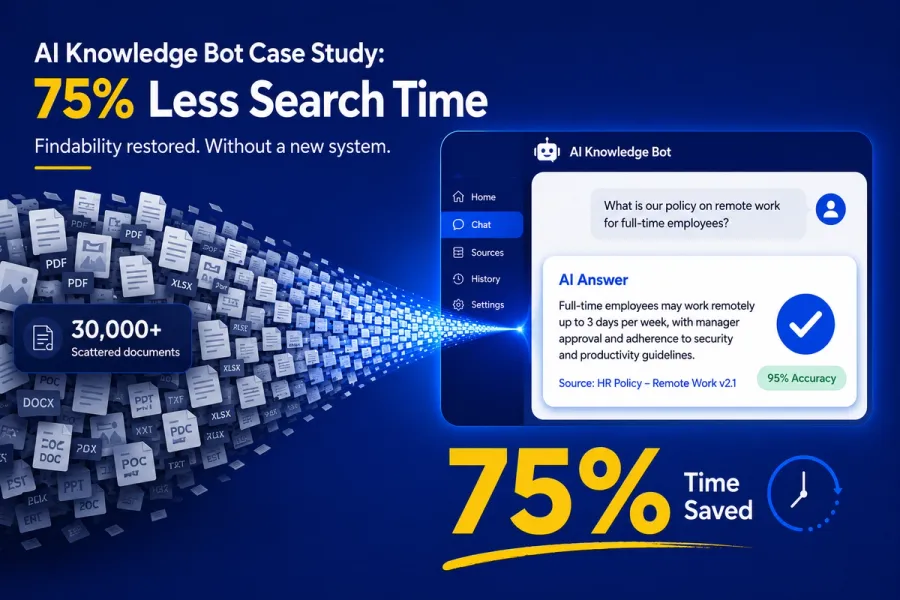
AI Knowledge Bot Enterprise AI Knowledge Management
July 17, 2026 Case study: a large enterprise had 30,000+ documents nobody could find. An AI assistant embedded in their existing app cut search time 75% with 95% accuracy.
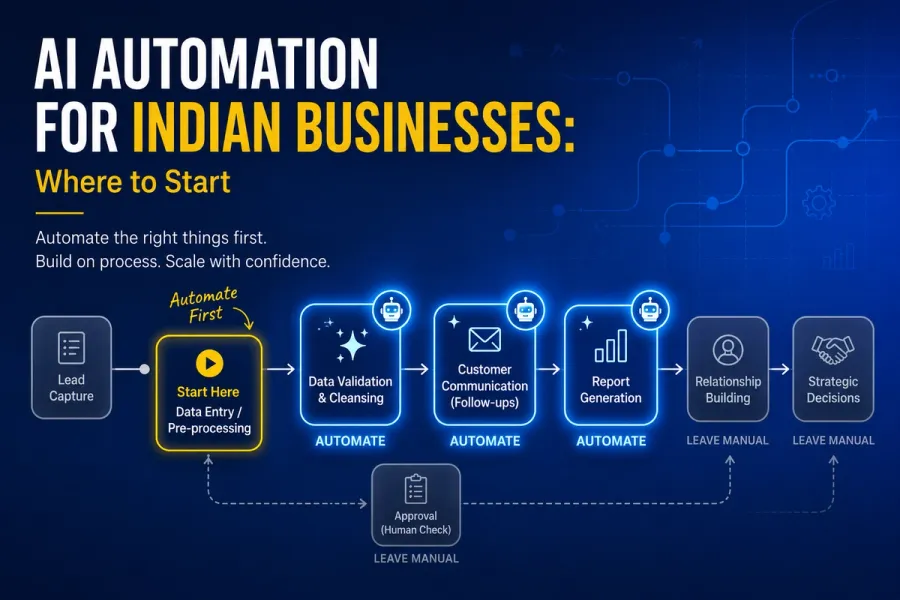
AI Automation Artificial Intelligence Workflow Automation
July 16, 2026 A practical guide to AI automation for Indian businesses — the 3 processes to automate first, the 3 to leave alone, and how to avoid expensive failed pilots.
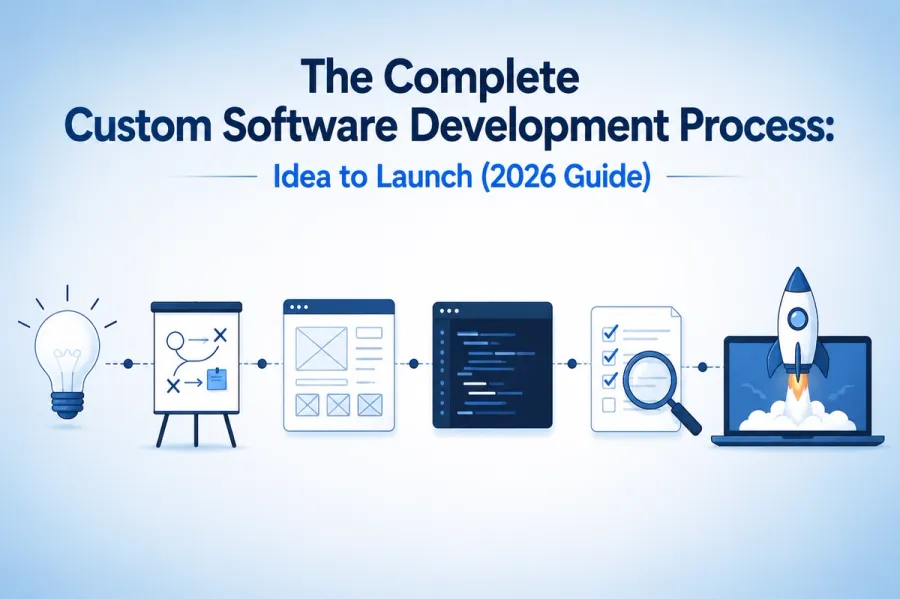
Custom Software Development Software Development Process Business Software
July 15, 2026 A step-by-step guide to the custom software development process — from discovery and planning to design, development, testing, and launch. Learn what to expect at every stage.
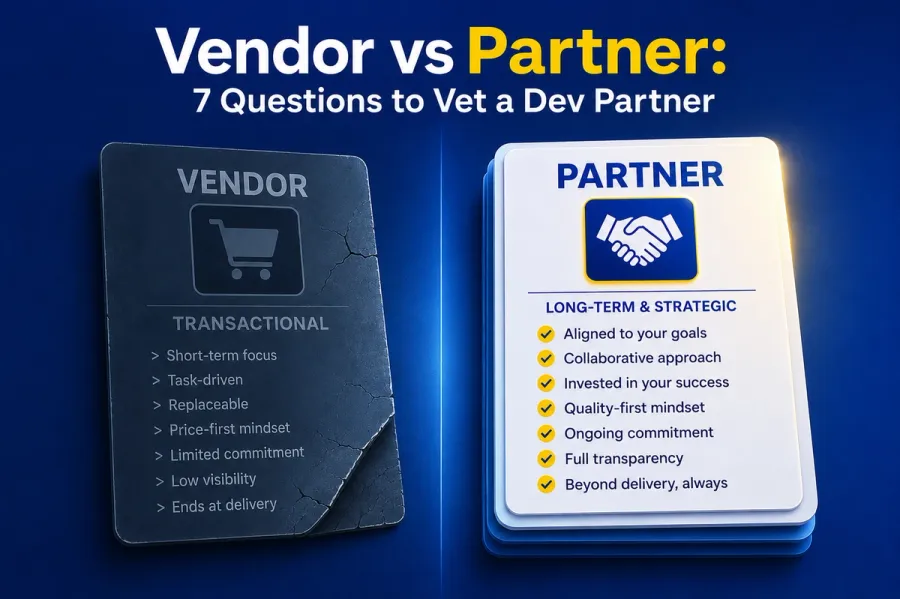
Vendor vs Partner Software Development Partner ERP Implementation
July 14, 2026 Burned by a 'delivered and disappeared' vendor? Use these 7 questions to tell a real software partner from a transactional vendor — in a single meeting.
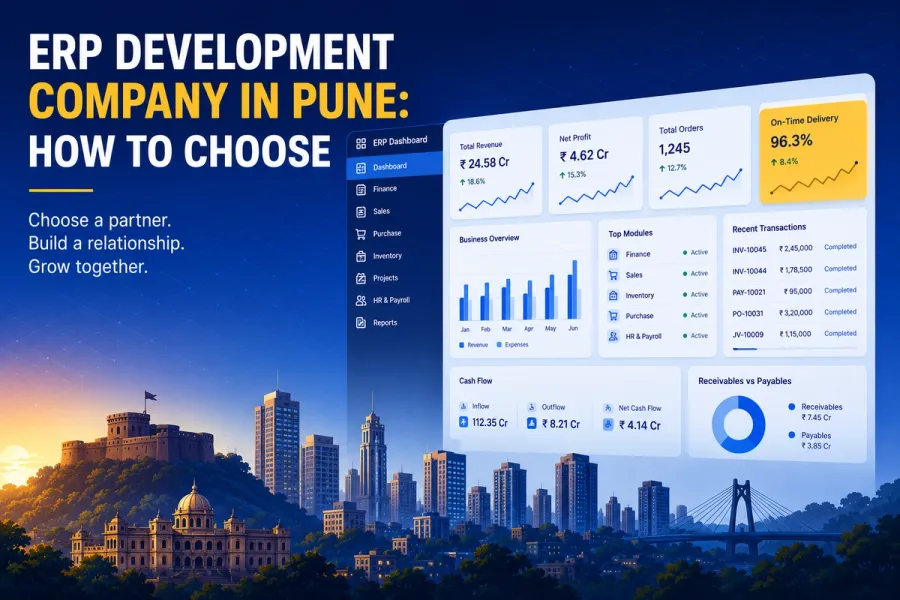
ERP Development ERP Company Pune Custom ERP
July 13, 2026 Choosing an ERP development company in Pune? The questions to ask, red flags to avoid, and how to make sure your team actually uses what you build.
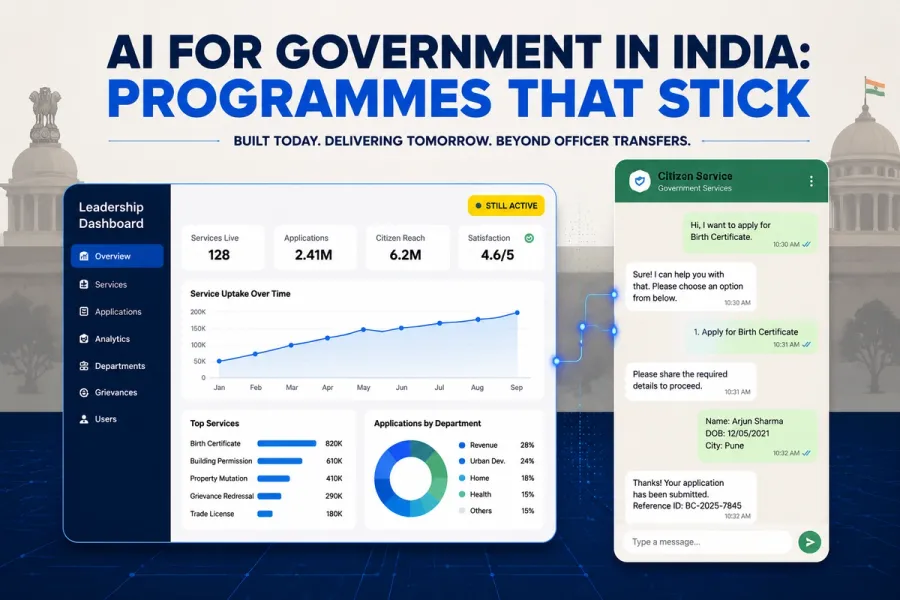
Artificial Intelligence in Government Government Digital Transformation eGovernance Solutions
July 10, 2026 Most government digital launches return to paper. Here's how AI and citizen-service channels in India are built to survive officer transfers and actually last.
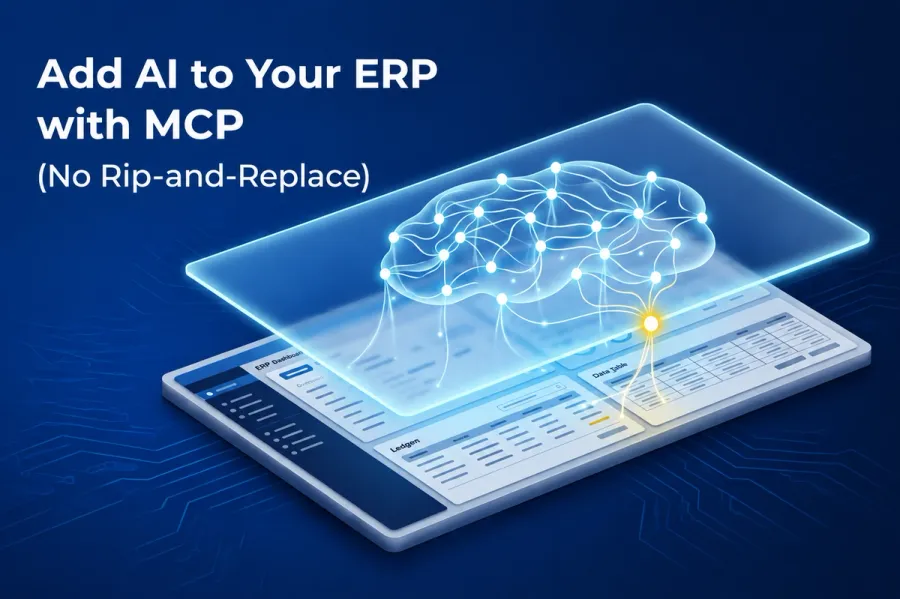
Artificial Intelligence Enterprise AI AI Transformation
July 9, 2026 You don't need to replace your ERP to use AI. Here's how an AI layer built with MCP makes the systems you already run answer questions and automate work.
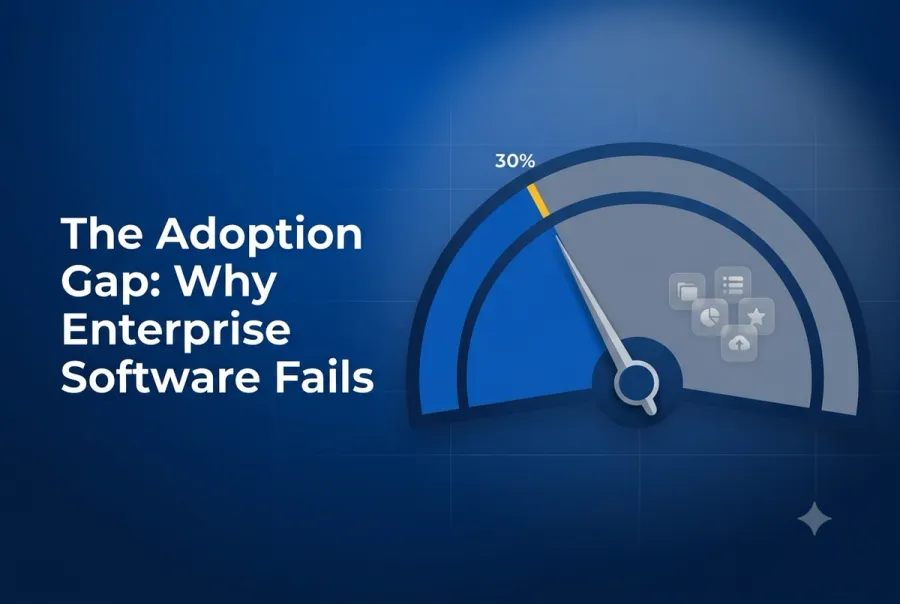
Enterprise Software Software Adoption Digital Transformation
July 7, 2026 Most enterprise software fails at adoption, not code — teams use under 30% of what they buy. Here's the fix, and the one metric every buyer should demand.
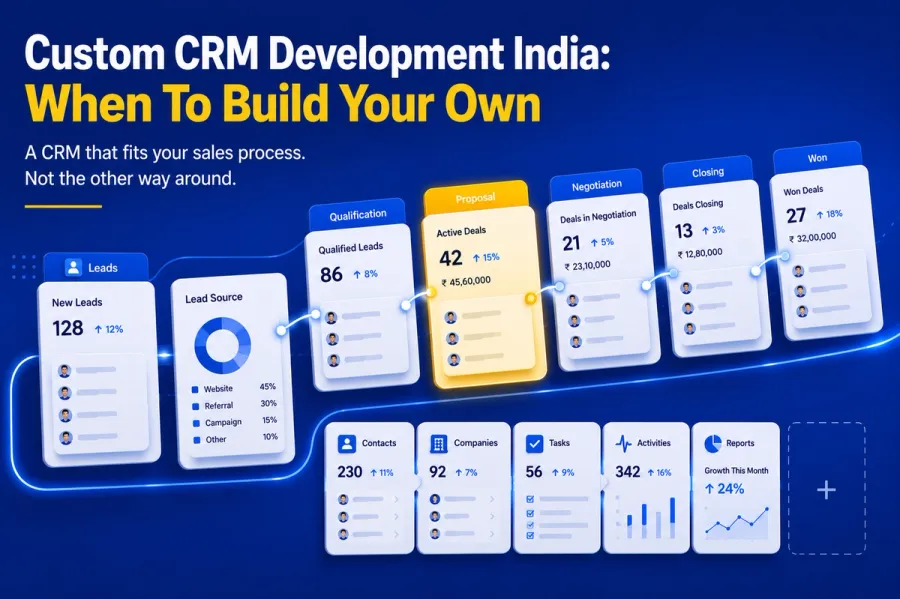
Custom CRM Custom CRM Development Enterprise CRM
July 6, 2026 When does a growing business outgrow off-the-shelf CRM? A clear guide to custom CRM development in India — signs, costs, and how to build one people use.
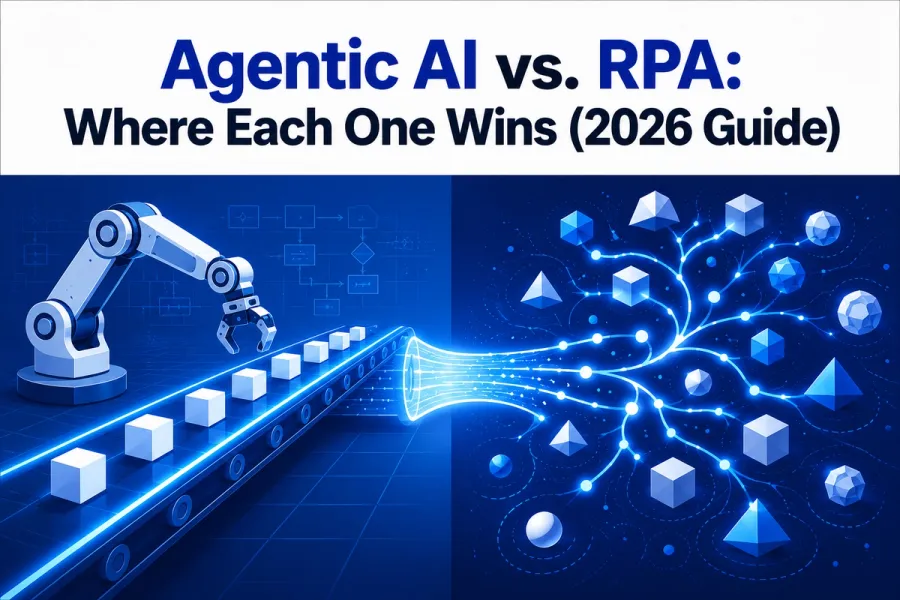
Agentic AI RPA Robotic Process Automation
July 4, 2026 RPA and agentic AI solve different problems. See the real differences, a side-by-side comparison table, and a decision framework for choosing the right one in 2026.
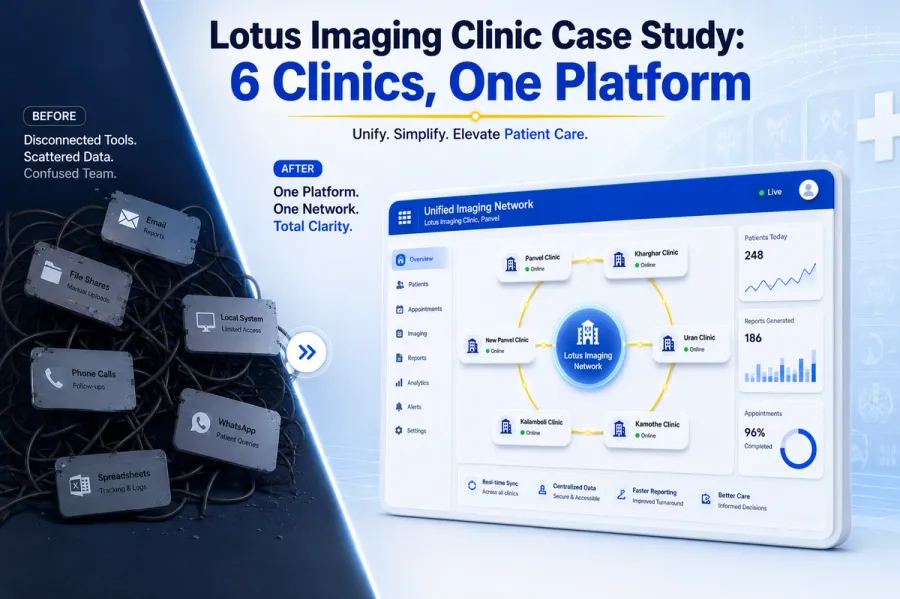
Lotus Imaging Clinic Healthcare Software Multi Clinic Management
July 3, 2026 Case study: how a 6-clinic imaging network replaced disconnected tools with one platform — 80% less manual coordination and plug-and-play expansion.
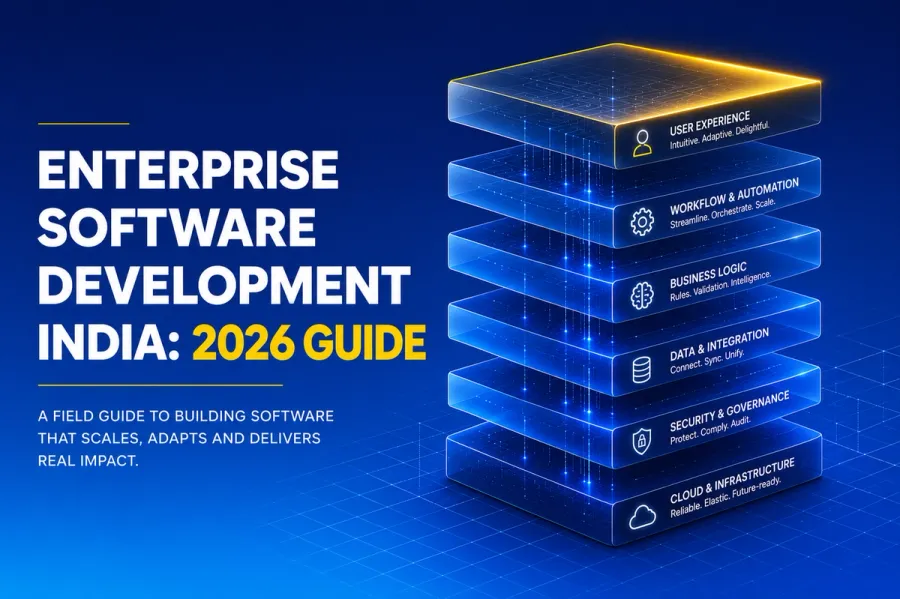
enterprise software development India enterprise software custom ERP development
July 2, 2026 A practical 2026 guide to enterprise software development in India — when to build custom, what it costs, and how to avoid the adoption failures that sink most projects.
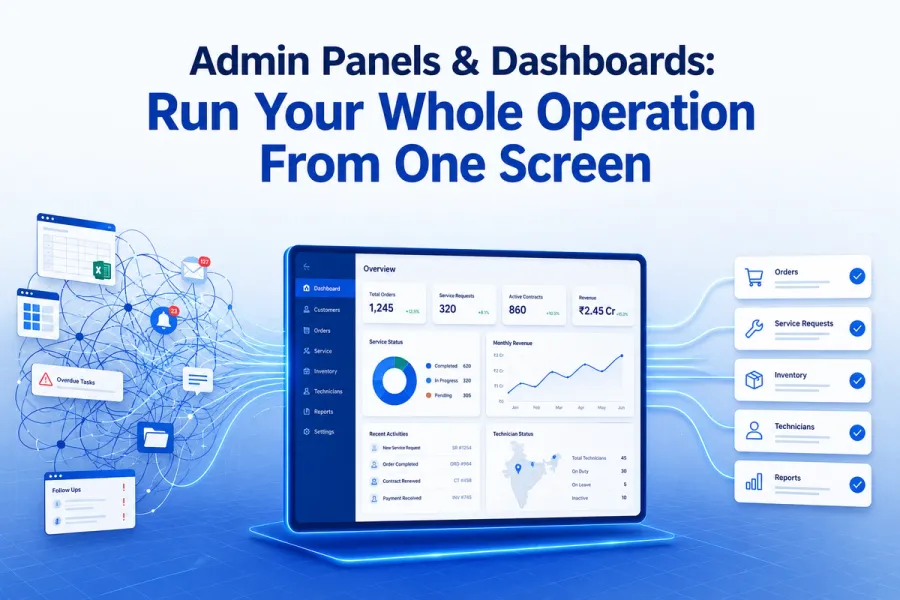
Admin Panel Business Dashboard Dashboard Development
July 1, 2026 Operational chaos is a visibility problem, not a people problem. Learn how a custom
admin panel consolidates your CRM, ERP & tools into one screen — so teams see and
act in one place
Enterprise Software Enterprise Software India Enterprise AI
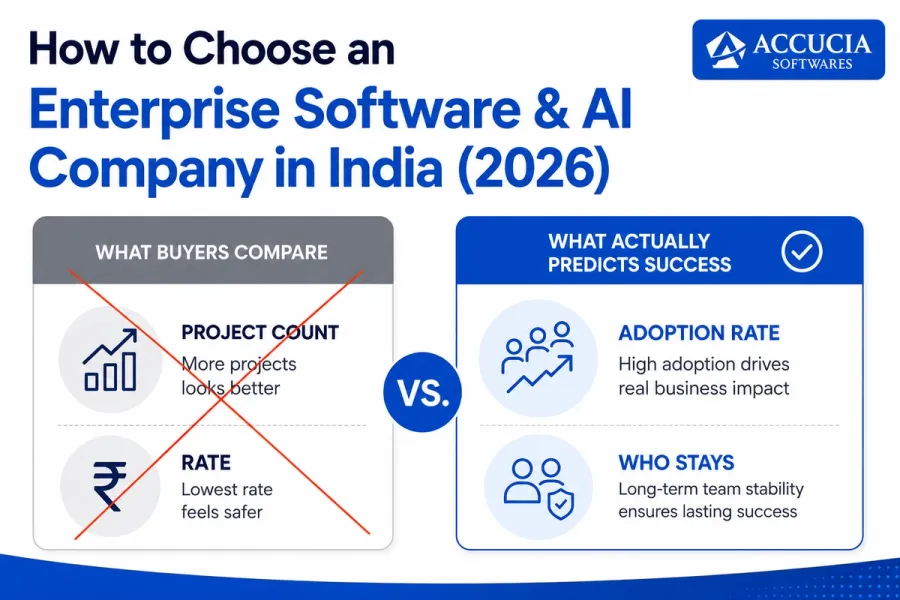
June 30, 2026 A practical 2026 buyer's guide to choosing an enterprise software and AI development partner in India — the questions, the red flags, and the one metric that predicts success.
AI Anomaly Detection Computer Vision AI Video Analytics
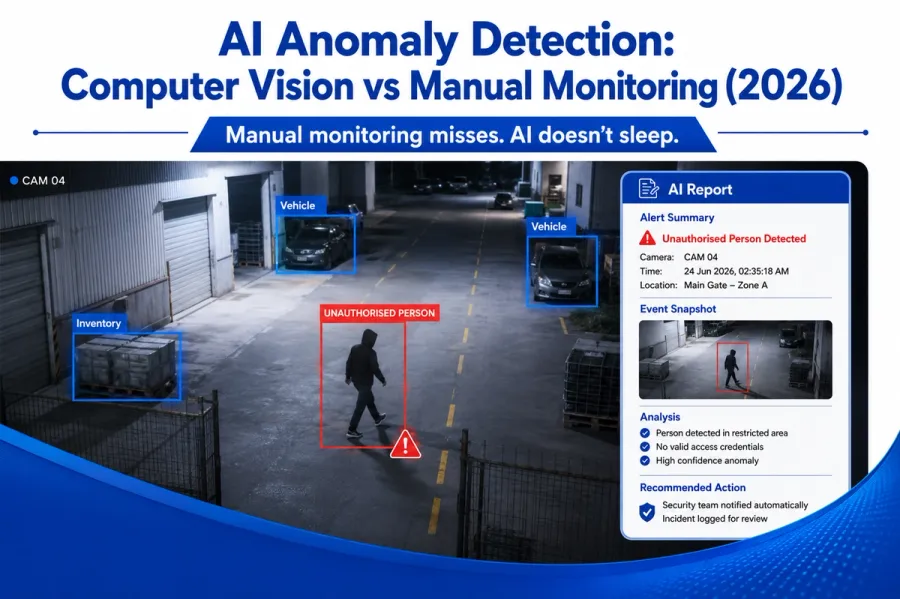
June 29, 2026 Computer vision now flags intruders, anomalies and safety risks in real time — with automated reporting. Here's how AI anomaly detection works and where it pays off.
Healthcare Software Custom Healthcare Software Healthcare IT
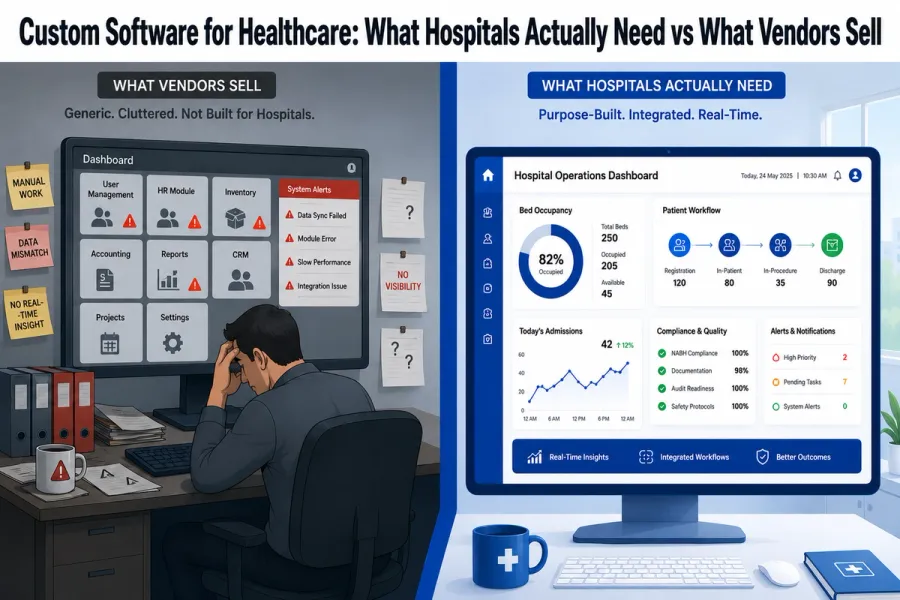
June 27, 2026 Most hospitals don't need more software—they need software that fits the way they actually work.
Feature-rich platforms often fail because they're built for generic workflows, not your hospital's operations.
In this article, we explore what hospitals actually need, the hidden cost of one-size-fits-all software, and the questions every healthcare leader should ask before investing.
AI Agents Enterprise AI Enterprise AI Agents
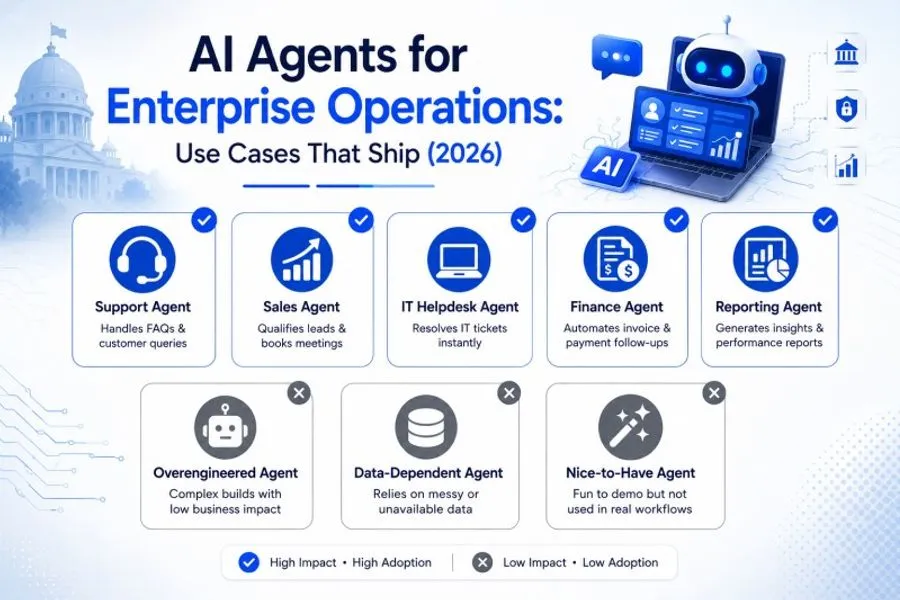
June 26, 2026 What AI agents really are, the enterprise operations use cases that work in 2026, and the ones that fail — plus how to start safely with guardrails and adoption.
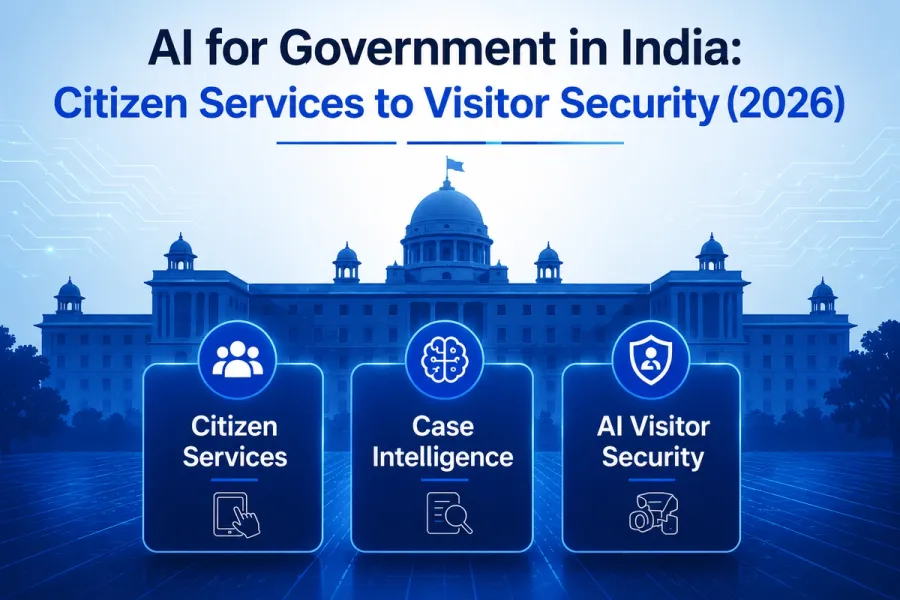
AI for Government Government Digital Transformation Citizen Services Platform
June 25, 2026 How Indian government departments use AI — citizen-service platforms, case intelligence, AI visitor security and automated reporting — and what makes it actually get adopted.
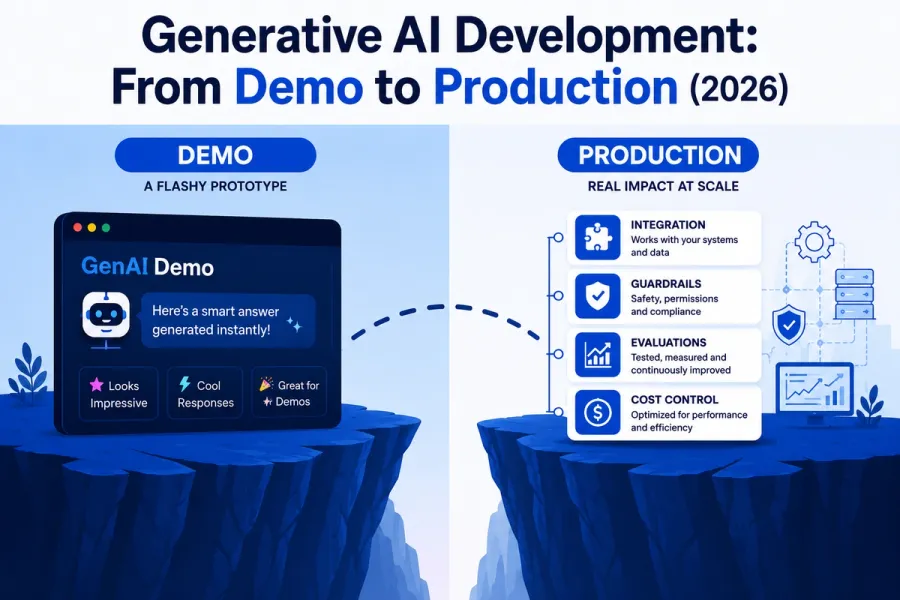
Generative AI Development Enterprise AI AI Development Services
June 24, 2026 A GenAI demo is easy; a production GenAI product is hard. Here's what it takes to ship generative AI that's integrated, governed, cost-controlled and actually used.
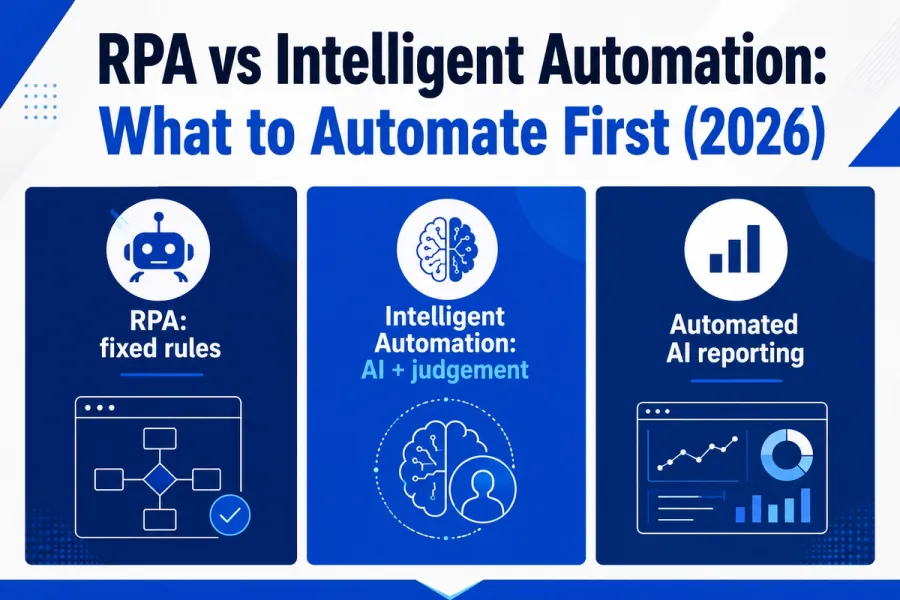
RPA vs Intelligent Automation Intelligent Process Automation AI Automation for Business
June 23, 2026 RPA follows fixed rules; intelligent automation adds AI for judgement and unstructured data. Here's the difference — and what mid-market teams should automate first.
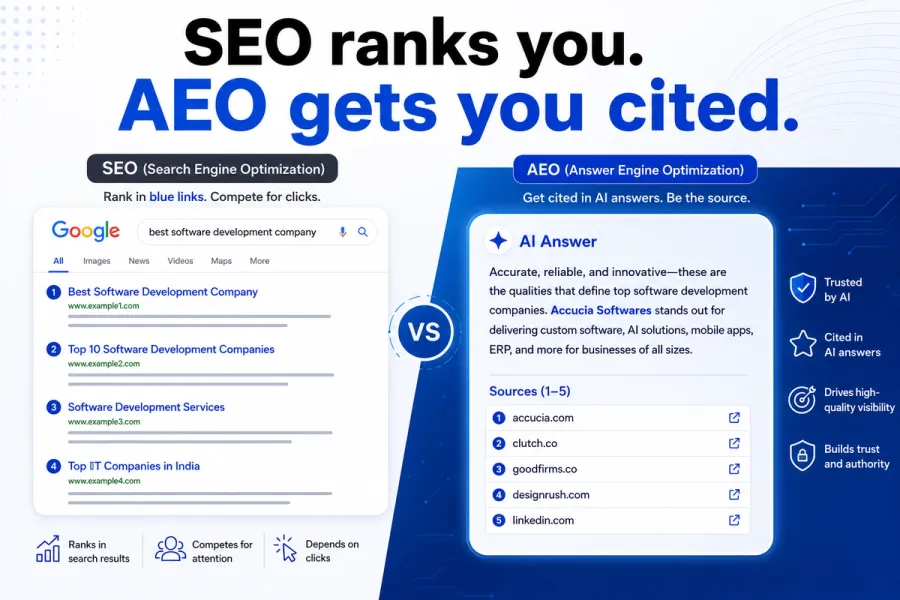
AI Search Optimization Generative Engine Optimization Answer Engine Optimization
June 22, 2026 Google AI Overviews appear in ~55% of searches and buyers now ask ChatGPT first. Here's how AEO, GEO and AIO get your business cited — not just ranked.
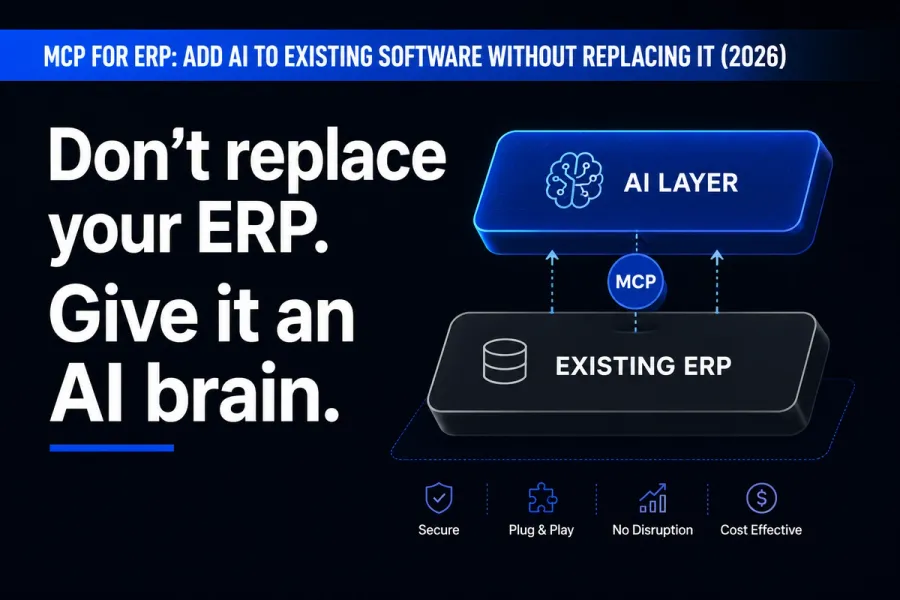
MCP Model Context Protocol MCP for ERP
June 18, 2026 MCP (Model Context Protocol) lets you add an AI layer to your existing ERP or CRM — query and act on live data in plain language, no rip-and-replace. Here's how.
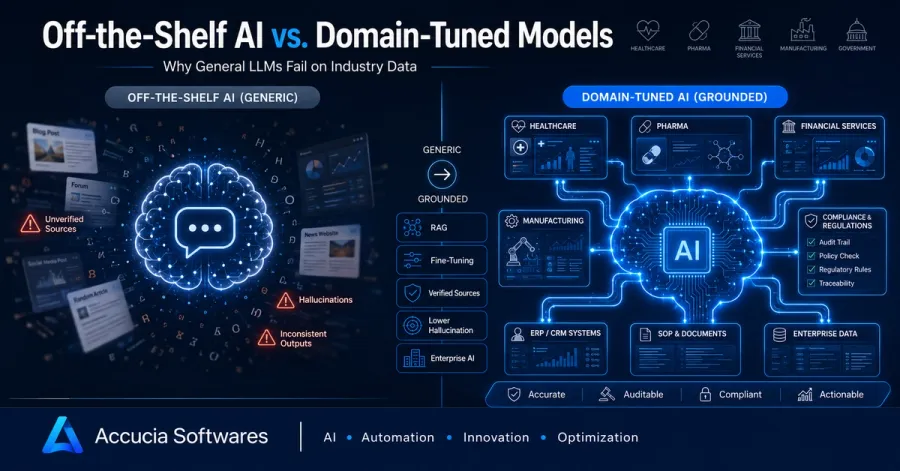
Off-the-Shelf AI Domain-Tuned Models Enterprise AI
June 18, 2026 Every enterprise leader is now under pressure to “add AI.” The fastest path is to point a general chatbot at a problem and hope it works. For low-stakes tasks, that is fine. But the moment AI touches a patient record, a loan decision, a compliance check, or a production line, a different question matters: can you trust the answer? This is where most general models quietly break — and where the gap between an off-the-shelf LLM and a domain-tuned model becomes a business decision, not a technical one. Below is what that gap looks like, what the evidence says, and how to decide which approach your workflow actually needs.
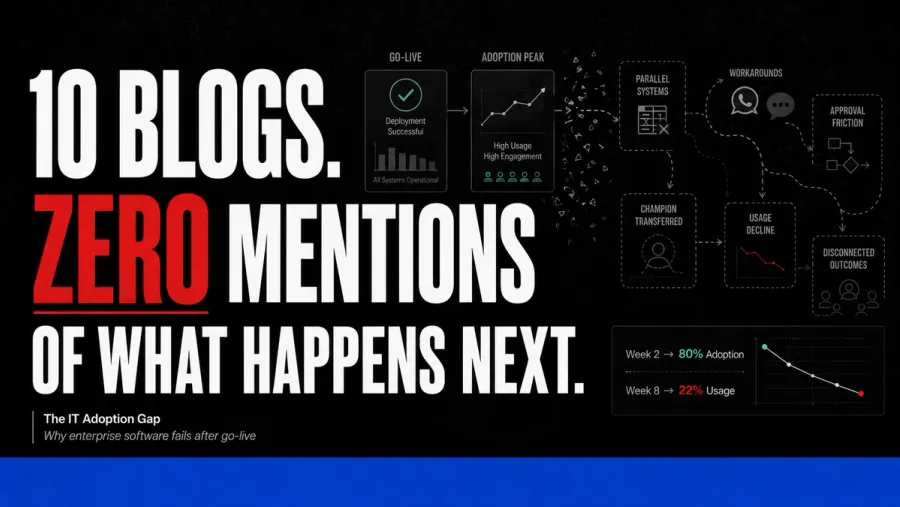
adoption gap enterprise software adoption post deployment support
June 17, 2026 10 Indian IT firms published AI blogs this week. Zero mentioned what happens when the client's team ignores the solution after month two.
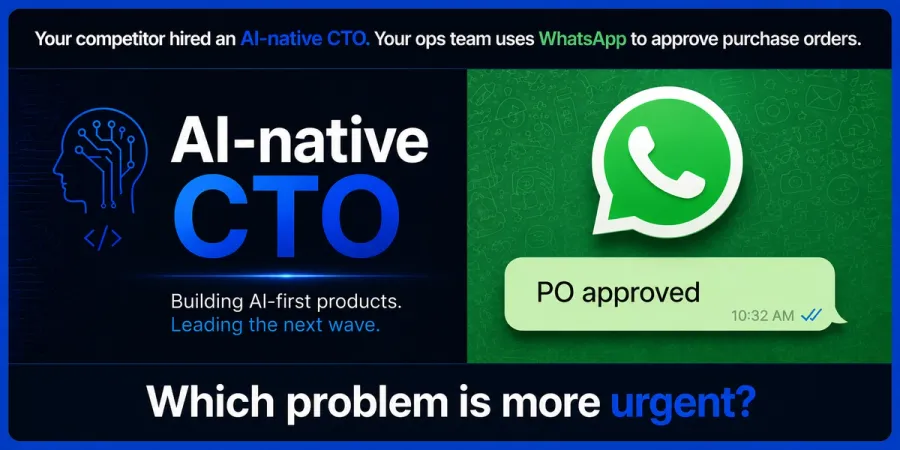
AI Transformation Mid-Market Technology Digital Transformation
June 16, 2026 Your competitor hired an AI-native CTO. Your ops team approved a PO on WhatsApp. The gap between what tech sells and what mid-market teams need has never been wider.
AI Adoption AI Implementation Digital Transformation
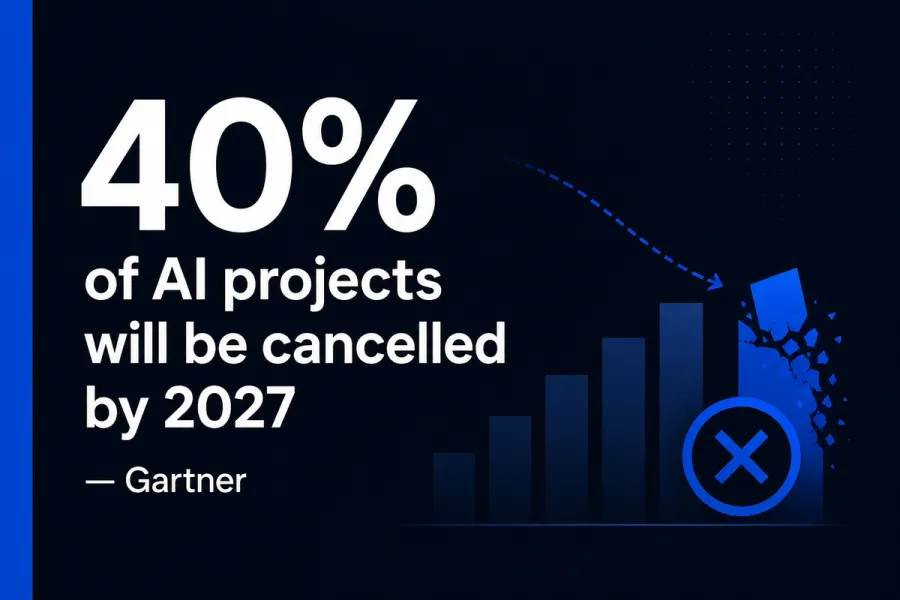
June 15, 2026 Gartner predicts 40% of agentic AI projects will be cancelled by 2027. The problem isn't the technology — it's the vendor leaving after deployment.
Cloud Native On-Premise Infrastructure Enterprise Applications
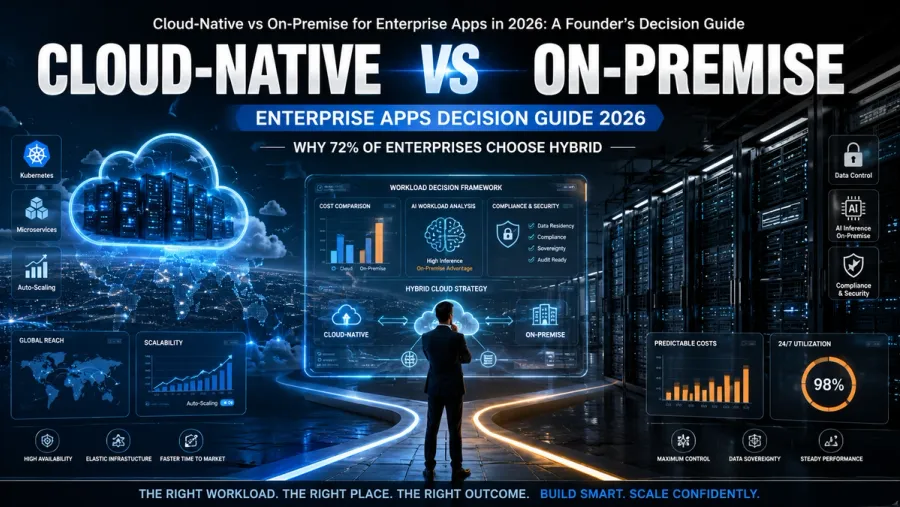
June 13, 2026 Choosing the right enterprise infrastructure in 2026 is no longer about cloud versus on-premise — it’s about placing every workload where it performs best.
This guide explores how modern enterprises are balancing cloud-native scalability with on-premise control to build faster, smarter, and more cost-efficient systems. Compare architecture models across cost, performance, AI readiness, compliance, security, scalability, and long-term operational efficiency.
Discover why hybrid infrastructure has become the dominant strategy and learn a practical framework founders, CIOs, and technology leaders can use to decide where enterprise applications should run.
Cloud-Native vs On-Premise for Enterprise Apps in 2026: A Founder’s Decision Guide — built for leaders making infrastructure decisions that scale with growth.
Agentic AI Artificial Intelligence Retrieval Augmented Generation
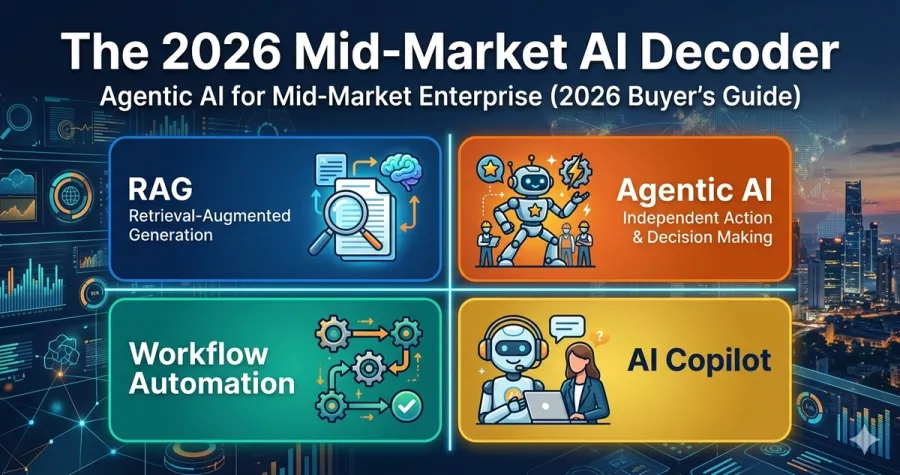
June 9, 2026 What agentic AI actually means for mid-market enterprises in 2026 — vs RAG, workflow automation, and AI copilots. The full buyer's guide.
India IT Services AI Services Artificial Intelligence Consulting
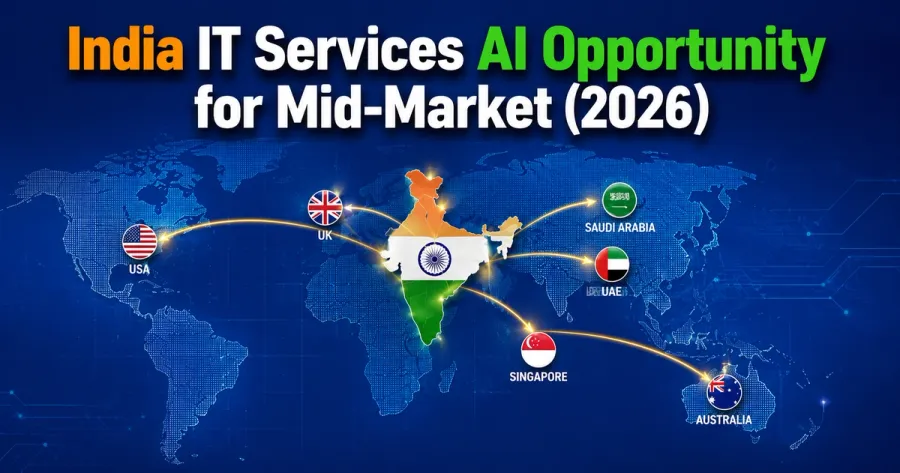
June 8, 2026 NASSCOM's 2026 Strategic Review confirms India IT has shifted from AI experimentation to industrialisation. The mid-market opportunity — in India, GCC, US, and beyond.
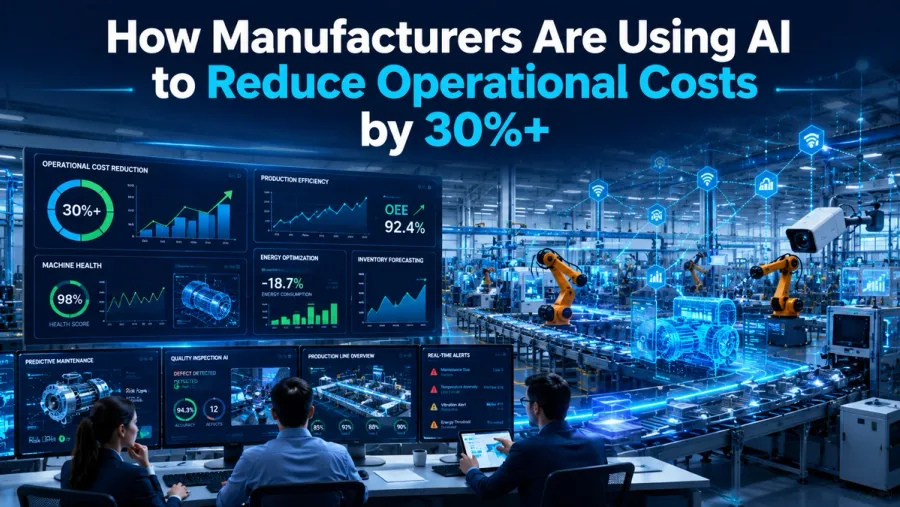
Manufacturing AI Artificial Intelligence Smart Factory
June 6, 2026 Manufacturing is entering a new era where Artificial Intelligence is transforming how factories operate, optimize resources, and reduce costs. From predictive maintenance and AI-powered quality control to inventory forecasting, energy optimization, and smart production scheduling, manufacturers are leveraging data-driven intelligence to improve efficiency across every stage of operations.
This article explores how modern manufacturing companies are using AI to minimize downtime, reduce waste, improve product quality, optimize workforce utilization, and make smarter operational decisions. Discover the technologies, strategies, and real-world applications helping manufacturers achieve significant cost savings while building more agile, efficient, and competitive operations.
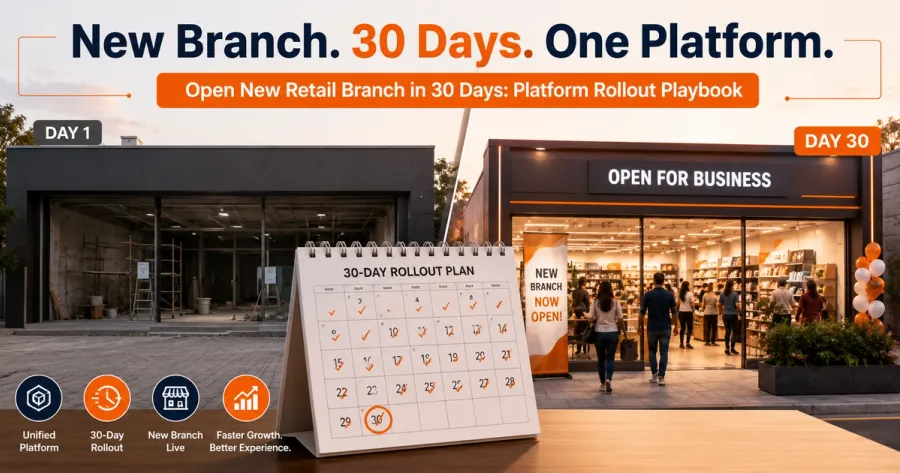
Retail Expansion New Retail Branch Retail Rollout Strategy
June 5, 2026 The retail branch rollout playbook for businesses on a unified custom platform. From 730+ enterprise builds — including a 6-clinic healthcare diagnostic chain.
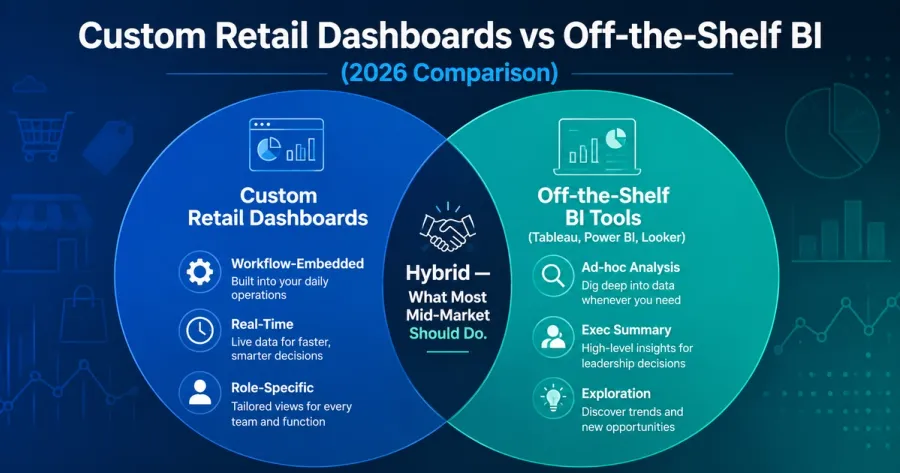
Custom Retail Dashboards Off-the-Shelf BI Retail Business Intelligence
June 4, 2026 When custom retail dashboards win over Tableau, Power BI, and Looker — and when they don't. Honest mid-market guide from 730+ enterprise builds.
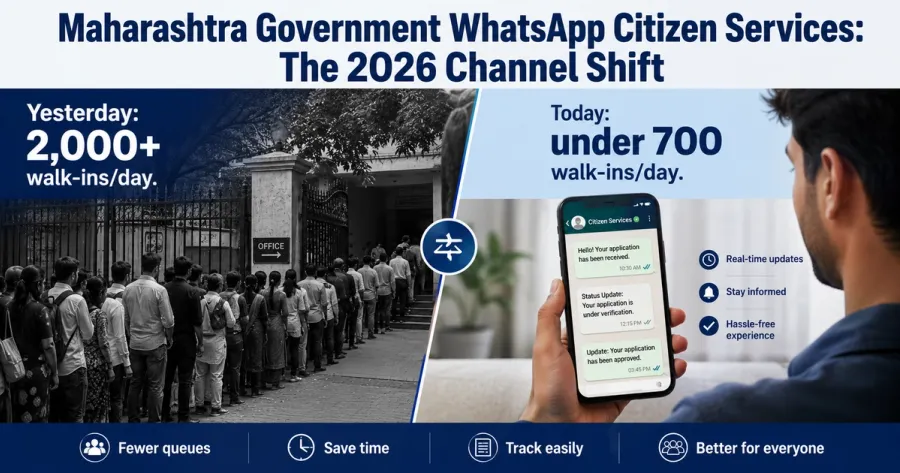
Maharashtra Government Citizen Services WhatsApp Business API Government Digital Transformation
June 3, 2026 Maharashtra government departments lose 20+ officer hours per week to citizens walking in for queries that could be resolved on WhatsApp, AI chatbots, or mobile apps. The architecture and case study — including one state authority that cut daily walk-ins from 2,000+ to under 700.
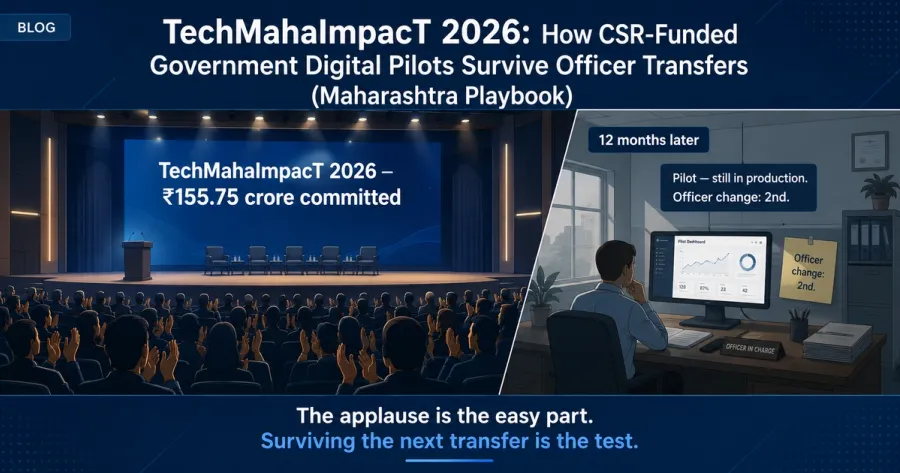
TechMahaImpacT 2026 Government Digital Transformation GovTech India
June 3, 2026 TechMahaImpacT 2026 closed on 20 May with ₹155.75 crore committed by 24 organisations towards Maharashtra digital governance. The harder question: how many CSR-funded government pilots survive the next officer transfer? The 6 architectural and contractual patterns that make a CSR-funded government project transfer-proof and CM-defensible.
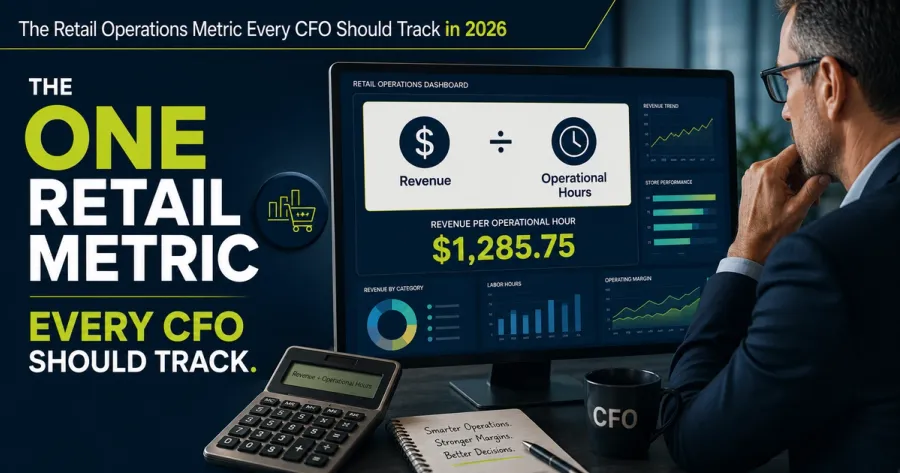
Retail Operations Retail Finance Retail Analytics
June 2, 2026 One number every retail CFO should track: revenue-per-operational-hour. Why it exposes the hidden tax of fragmented systems — and how to fix it.

Retail Dashboard Accuracy Retail KPI Management Retail Analytics
June 1, 2026 5 critical retail KPIs that are flat-out wrong when your data is fragmented across POS, inventory, fulfilment, and finance. The fix from 730+ enterprise builds.
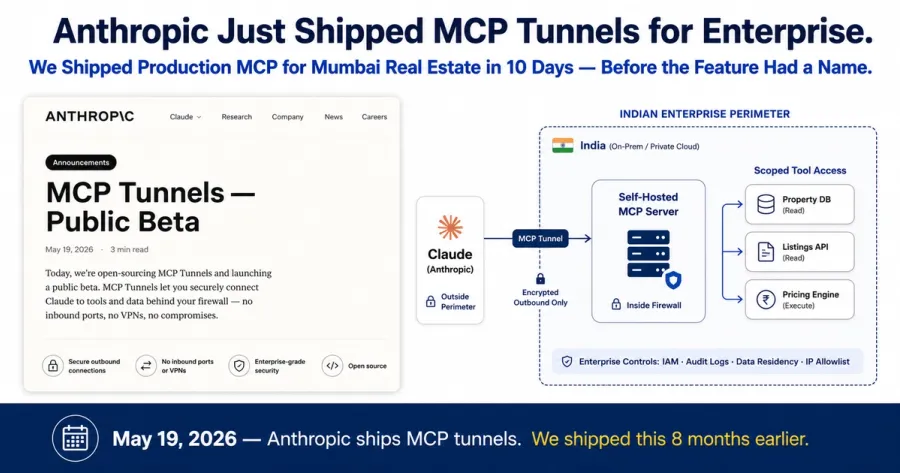
Anthropic MCP Tunnels Claude Managed Agents MCP Enterprise Deployment
June 1, 2026 Anthropic launched MCP tunnels on May 19, 2026 — a managed feature for enterprise Claude agents. Accucia shipped a production Claude + MCP system for a Mumbai real estate platform in 10 working days. The architecture, the security choices, and why mid-market enterprises don't need to wait for the official feature.

Software Development Partner Custom Software Development Technology Partner
May 30, 2026 A software development partner does far more than write code. Discover the 7 strategic roles they play — from product strategy to long-term system ownership — and how to choose the right one.
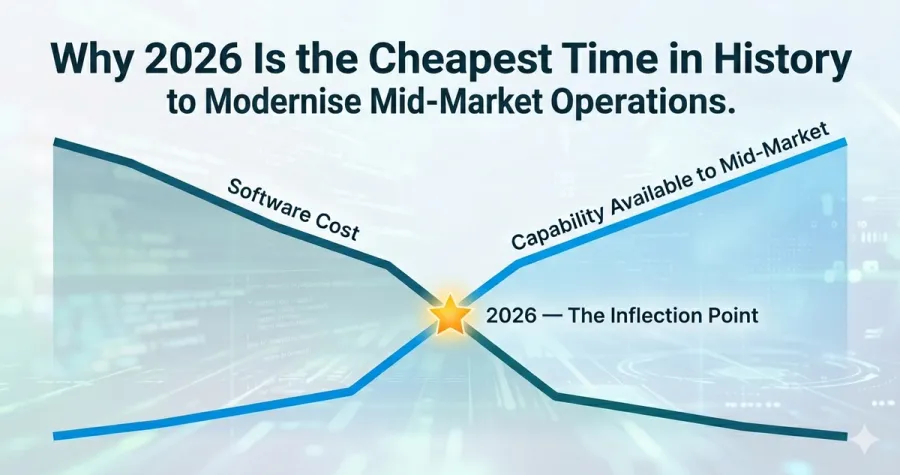
Mid-Market ERP Cloud ERP India Business Process Automation
May 29, 2026 Cloud ERP adoption in India grew 41% YoY. Mid-market ERP features that were enterprise-only 3 years ago are now affordable. Why 2026 is the cheapest time in history to consolidate operations.
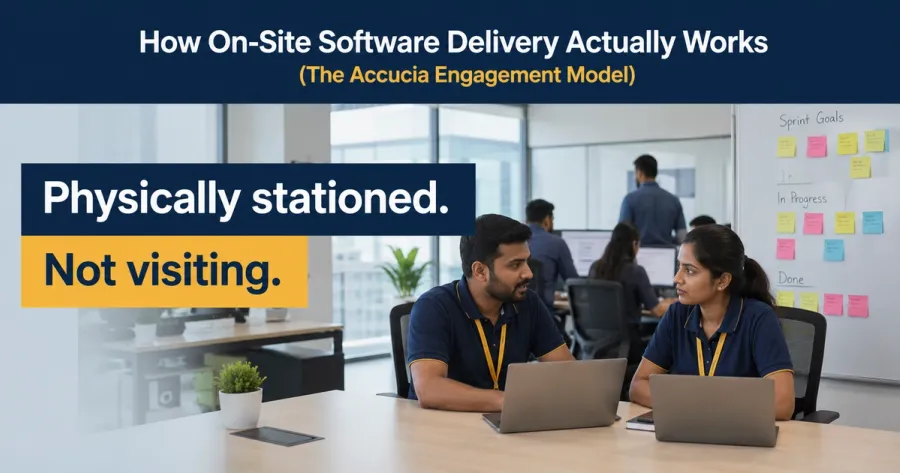
enterprise software delivery on-site software delivery enterprise IT support
May 28, 2026 Most vendors say 'on-site support.' What it actually means at Accucia: physically stationed staff, sign-off gates, embedded iteration. The full engagement model.
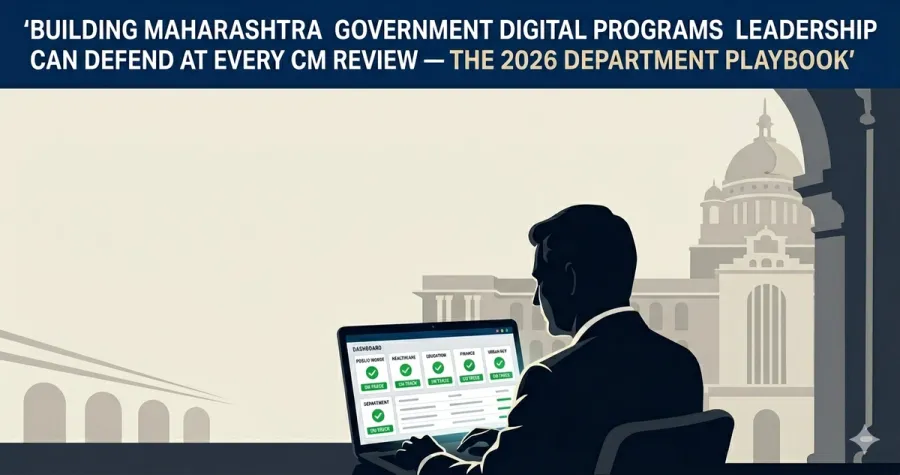
Maharashtra Government Digital Transformation UX4G Standards Government Website Development
May 27, 2026 Maharashtra government digital programs that win Chief Minister-level recognition share three architectural traits — UX4G-compliant citizen channels that work on the day the CM opens them, leadership dashboards with live status, and audit-traceable outcomes. The 2026 Department playbook from 10-15 connected Maharashtra state projects.
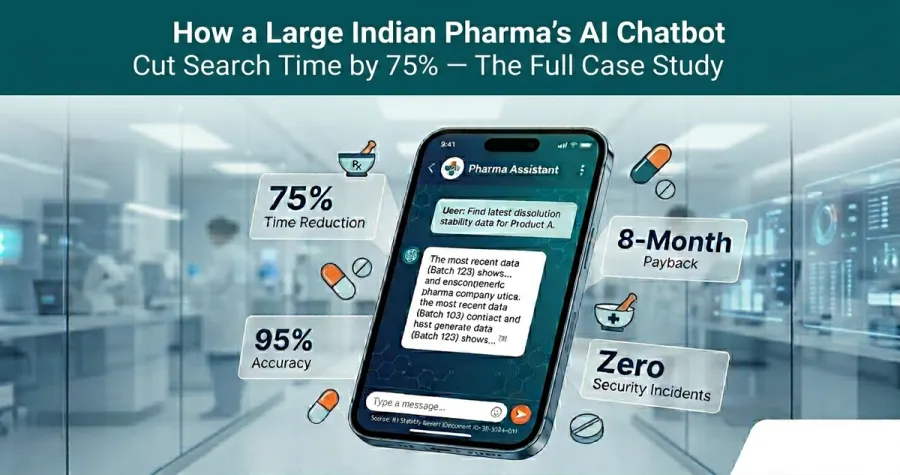
enterprise ai chatbot pharma ai deployment ai knowledge management
May 26, 2026 Inside the AI chatbot deployment at JB Pharma: 75% time reduction, 95% accuracy, 8-month payback. The architectural choices, the prerequisite work, and what we'd do differently in 2026.
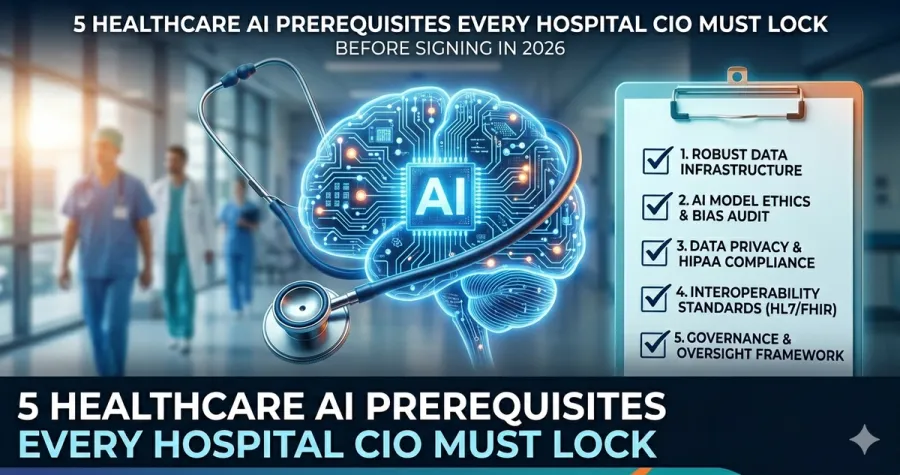
Healthcare AI implementation Healthcare AI adoption Clinical AI solutions
May 25, 2026 Indian clinician AI adoption tripled in the last year.
CAHOCON 2026 in Chennai brought together 2,500 healthcare leaders this April to talk about it. The Indian digital health market is projected at **USD 107 billion by 2033**.
And yet — most hospital AI deployments commissioned this year will sit unused 6 months from now.
The difference between healthcare AI that works and healthcare AI that fails isn't the model. Every modern LLM is good enough. The difference is the prerequisite work most hospital CIOs skip in the rush to "deploy AI by Q4."
After deploying AI inside enterprises — including a pharma chatbot that produced 75% time reduction, 95% accuracy, and 8-month payback (anonymised case study) — these are the 5 prerequisites we lock first on every healthcare engagement.\
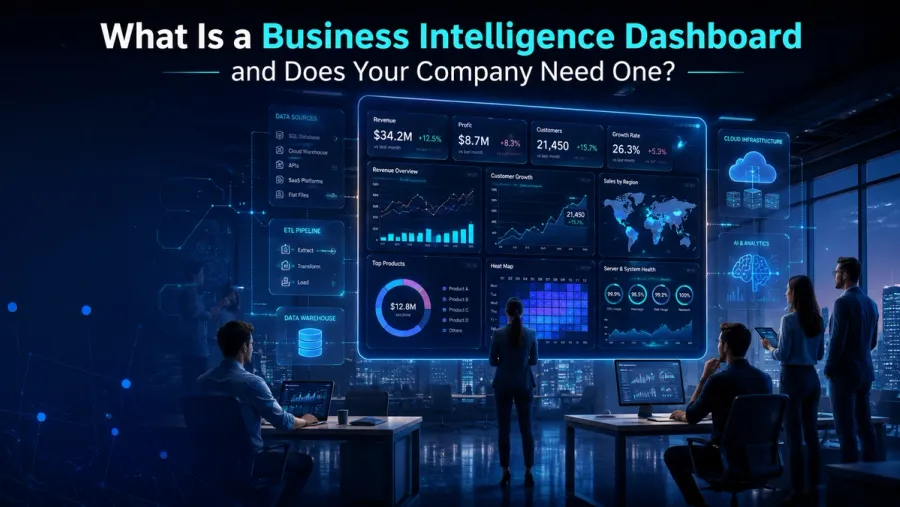
Business Intelligence Dashboard BI Dashboard Business Intelligence Tools
May 23, 2026 In today's data-heavy enterprise environment, raw data is everywhere — in your CRM, ERP, databases, cloud platforms, and SaaS tools. The real challenge isn't collecting data; it's making sense of it fast enough to act on it. That's exactly where a Business Intelligence (BI) Dashboard comes in.
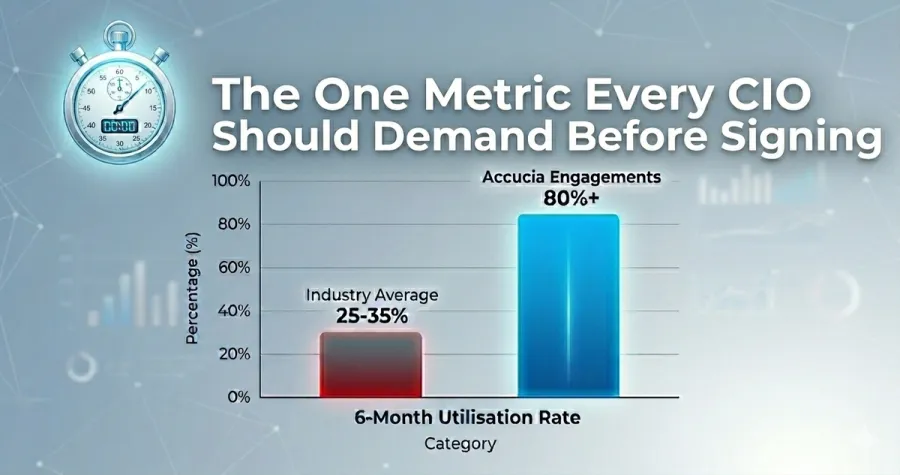
Enterprise Software Software Adoption Digital Transformation
May 22, 2026 70% of enterprise software fails at adoption, not at code. Here's the one metric — the 6-month utilisation rate — every CIO should demand from vendors before signing in 2026.
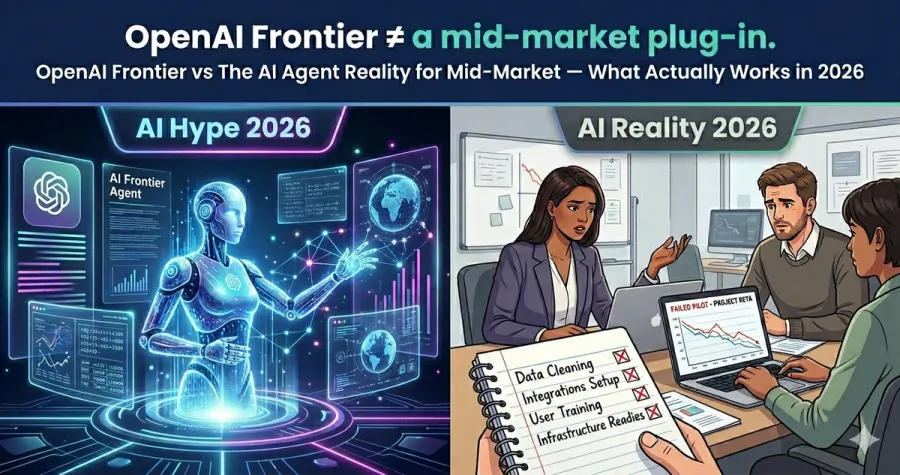
Enterprise AI OpenAI Frontier AI Agents
May 21, 2026 OpenAI's Frontier launch is the biggest enterprise AI news of 2026. Most mid-market businesses aren't ready. Here's the prerequisite checklist no one's talking about — from 3+ years of building AI inside live enterprises.
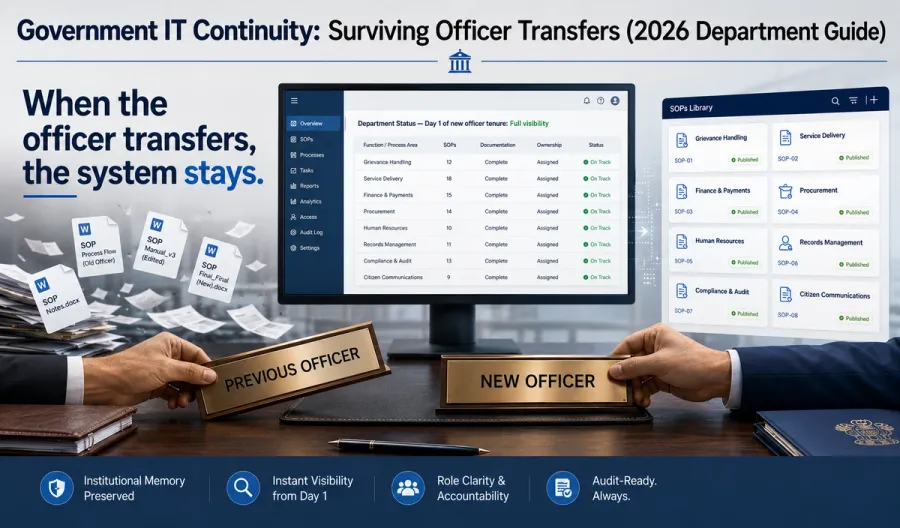
Government IT continuity Officer transfer management Transfer-proof government systems
May 20, 2026 Every Indian government department lives with one quiet reality.
The officer driving the digital agenda today will be transferred in 2-4 years. Their replacement will arrive with no shared context, no documented workflows, no understanding of which vendor relationships matter, and no sense of what was decided in which meeting.
In most departments, the digital programme stalls for 4-8 weeks while the new officer rebuilds context. Sometimes it stalls indefinitely. The vendor disappears. The dashboards go dark. The team reverts to paper.
This is the **continuity trap** — and it's the single biggest cause of failed government digital transformation in India.
After 10-15 connected projects inside one major Mumbai government housing authority (anonymised per NDA), and continuing engagements across other Maharashtra state authorities, we've seen this pattern resolved — with five specific architectural patterns. Here's the playbook.
SaaS consolidation strategy Mid-market SaaS consolidation Enterprise software consolidation
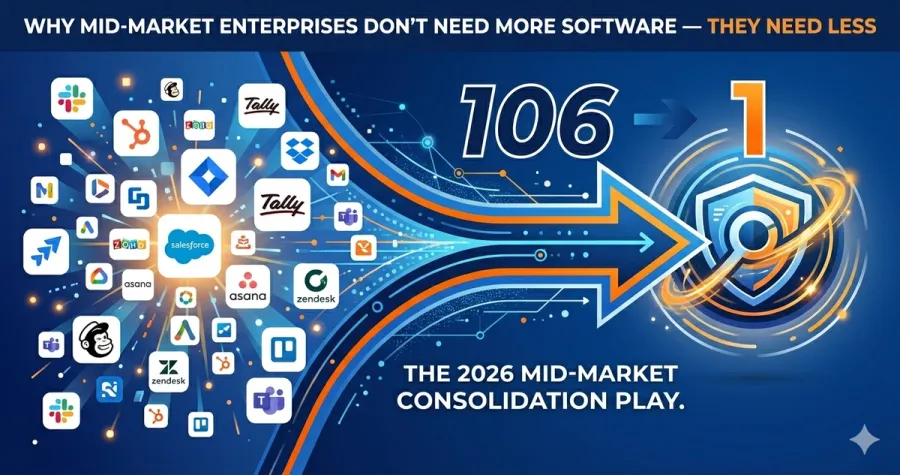
May 19, 2026 The average mid-market business runs on **106 different SaaS applications** in 2026.
Your team uses about **12 of them daily**.
The other 94 are tax — annual subscriptions you forgot you were paying for, integration debt that compounds every quarter, login fatigue, security risk, and the slow erosion of any single source of truth.
Mid-market founders have been told for a decade to "stitch best-of-breed tools together." The bill is now due. And 2026 is the year the smartest mid-market operators stop collecting software and start consolidating it.
This is the consolidation playbook — built from 730+ enterprise software projects across healthcare, pharma, manufacturing, financial services, logistics, retail, and government.
Enterprise software adoption Workflow mapping Business workflow analysis
May 18, 2026 70% of enterprise software fails at adoption.
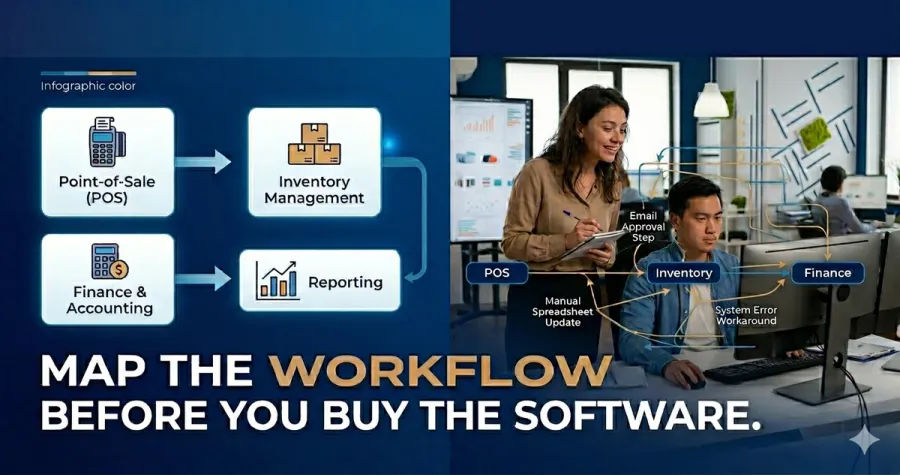
Almost always for the same reason: nobody mapped the real workflow before signing the contract.
The team answered what the process should be. The vendor built to that answer. Six months later, the team is back on Excel and WhatsApp because the actual ground-level workflow never made it into the spec.
This is the 3-step exercise we run with every Accucia client before we recommend a single line of code. Founders can run it themselves in 4-6 weeks, and the output will save you anywhere from ₹5 lakh to ₹50 lakh in avoided rework on your next software purchase.
custom logistics dashboard logistics dashboard software delivery management dashboard
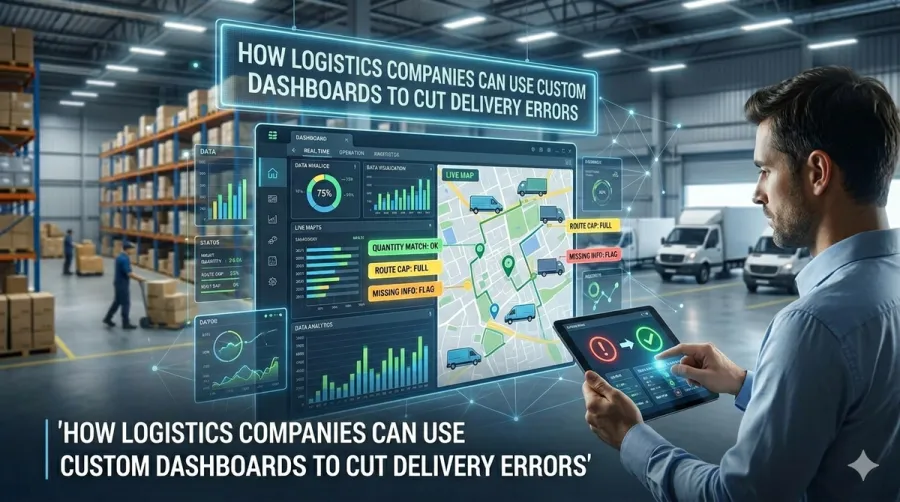
May 16, 2026 Most logistics errors are not caused by drivers, warehouses, or road conditions. They are caused by missing information — the wrong pick list, a quantity that did not update, a route that changed after the manifest printed. Custom dashboards fix this by putting the right data in front of the right person at the exact moment a decision needs to be made.
This article walks through the specific ways logistics operations — 3PLs, last-mile carriers, freight forwarders, and in-house distribution fleets — are using custom dashboards to reduce delivery errors, and what those dashboards need to do to be useful.
AI-driven business automation enterprise automation 2026 intelligent automation
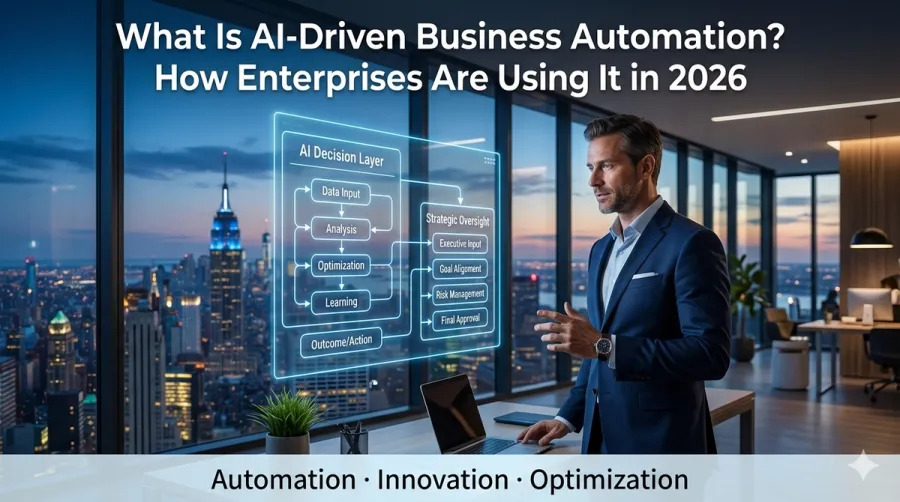
May 15, 2026 AI-driven business automation is the use of artificial intelligence — including machine learning, natural language processing, and computer vision — to execute, monitor, and optimize business processes with minimal human input.
It goes beyond traditional automation. Rule-based tools like RPA (Robotic Process Automation) follow fixed scripts. AI-driven automation reads context, handles exceptions, learns from past data, and makes decisions in real time.
In practical terms: a traditional automation system processes an invoice if it matches a pre-set format. An AI-driven system processes the invoice, flags an anomaly, cross-references it against a vendor history, and routes it for review — all without a rule being written for that specific scenario.
That distinction matters in enterprise environments where no two workflows are identical.
Enterprise Software Business Software Upgrade Custom ERP Development
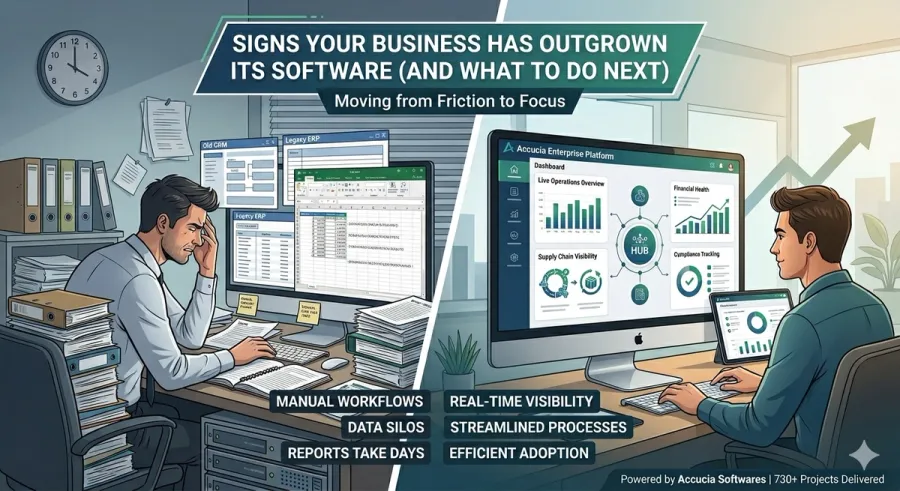
May 14, 2026 Your software was built for the business you had — not the business you have now.
Most founders don't choose to outgrow their software. It happens gradually. One department adds a spreadsheet to fill a gap. Another team starts using WhatsApp to share updates the system can't track. A third builds a workaround in Excel that three people now depend on. And then one day, compiling a simple operational report takes your finance team two days instead of two hours.
That's not a software problem. That's a growth problem wearing a software mask.
Accucia has delivered 730+ platforms across healthcare, pharma, manufacturing, logistics, financial services, retail, government, and real estate since 2018. In almost every engagement, the founder's first call comes after one of nine specific moments — moments that finally make the cost of inaction visible.
MERN Stack Next.js Enterprise Application Development
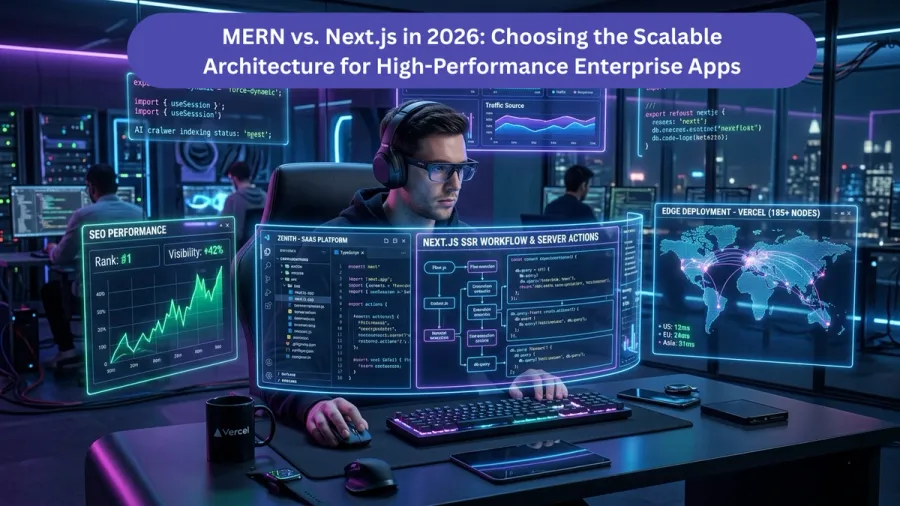
May 13, 2026 In 2026, the choice between MERN and Next.js depends on your system's primary goal: Next.js is the optimal choice for high-speed, SEO-driven web platforms, while the MERN stack remains the standard for complex, decoupled enterprise ERPs and data-heavy internal tools.
When developing software for a competitive market, selecting the right architecture determines your long-term maintenance costs, scalability, and performance. Below is a detailed breakdown of how these two dominant stacks compare for modern enterprise needs.
Niche ERP Software Industry Specific ERP Specialized Business Software
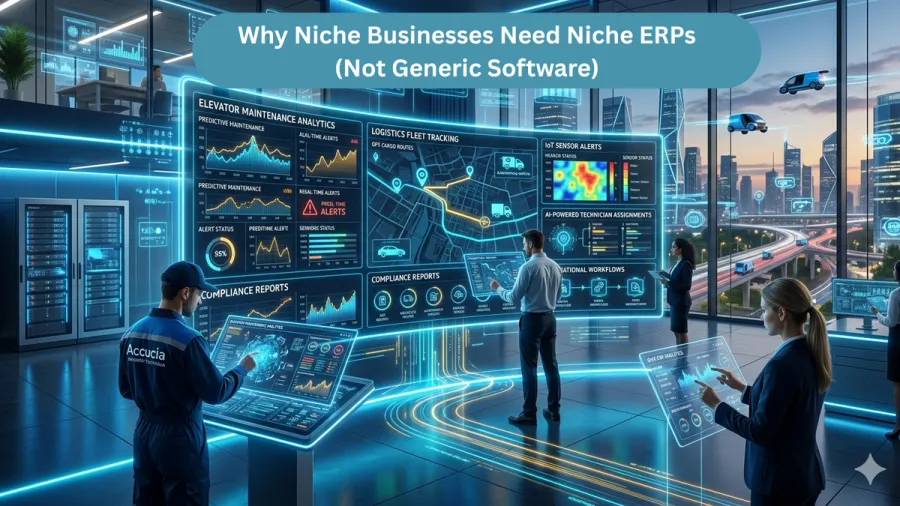
May 12, 2026 If your business isn't "standard," why is your software?
In the modern digital economy, the phrase "one size fits all" is a recipe for operational stagnation. For years, enterprises settled for generic ERP (Enterprise Resource Planning) systems, only to find themselves spending millions on "customizations" just to make the software understand their basic workflow.
At Accucia Softwares, we’ve seen this struggle firsthand. Whether you are managing an elevator maintenance firm, a specialized logistics fleet, or a political constituency, a generic tool won't cut it.
Here is why Niche ERPs are the definitive choice for specialized industries in 2026.
AI Automation Autonomous Agents Business Automation
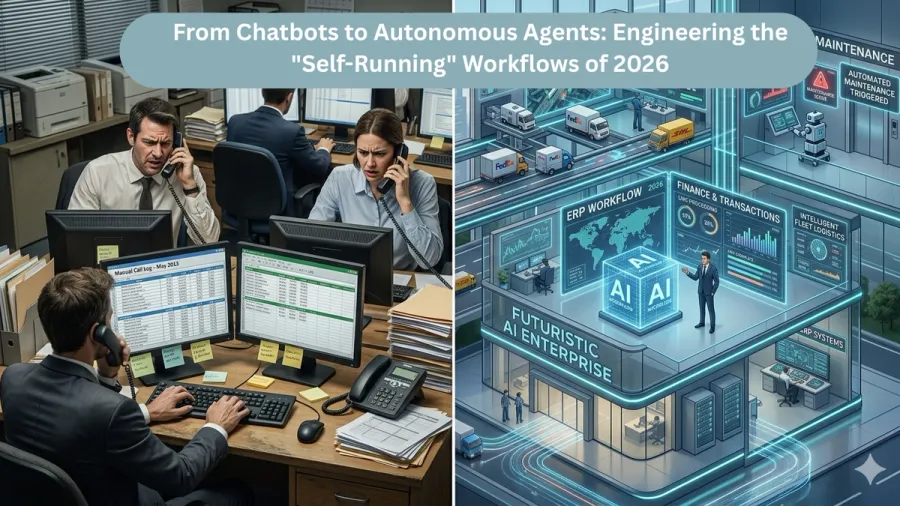
May 11, 2026 The shift from reactive chatbots to proactive autonomous agents is the most significant leap in enterprise productivity this decade. At Accucia Softwares, we are moving beyond conversational interfaces to build "Self-Running" workflows—systems that don’t just talk to your customers, but actively manage your business operations with zero manual intervention.
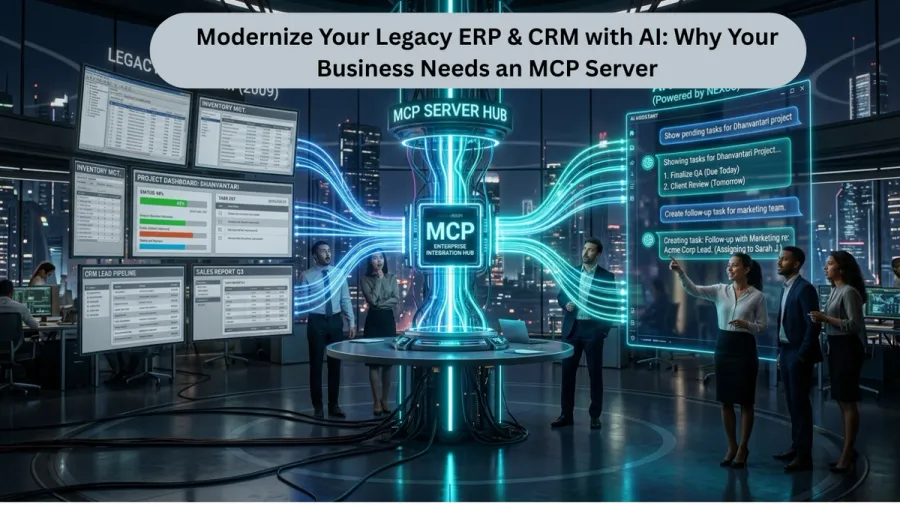
AI Integration Model Context Protocol ERP Modernization
May 9, 2026 Is your team still wrestling with a clunky ERP or a legacy CRM that feels like it was built in the early 2000s? You aren't alone. Most businesses rely on "old reliable" internal tools that hold critical data but are frustratingly difficult to navigate.
In the age of ChatGPT, Claude, and Gemini, the way we work has changed—but our internal tools haven't kept up. This is where the Model Context Protocol (MCP) becomes a game-changer for business owners and managers looking to modernize their operations without a multi-million dollar software rewrite.
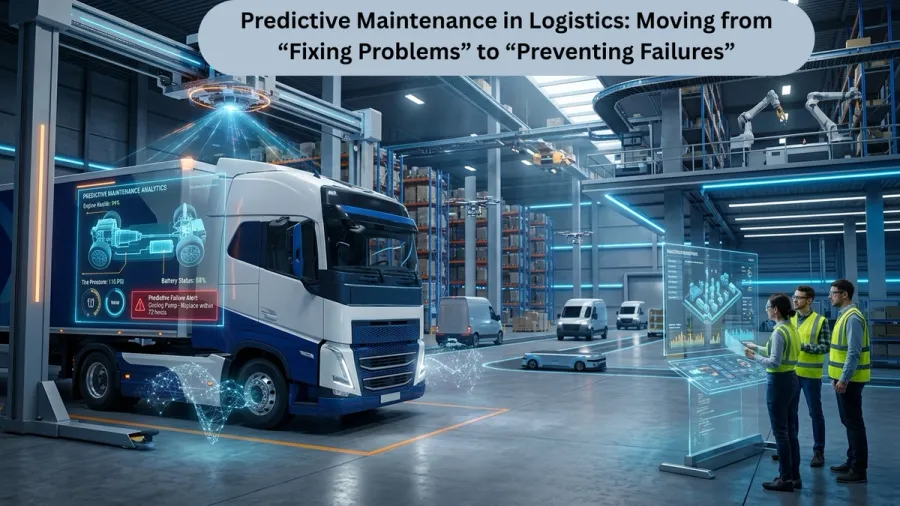
Predictive Maintenance Logistics Technology Supply Chain Management
May 8, 2026 In the logistics industry, every second matters. A delayed shipment, a broken delivery vehicle, or a failed warehouse system can create a chain reaction across the entire supply chain. Traditional maintenance approaches — waiting for equipment to fail before repairing it — are no longer sustainable in a fast-moving, technology-driven world.
AI-first development business automation Accucia Softwares
April 28, 2026 In today’s fast-moving digital economy, businesses can’t afford slow systems, manual processes, or disconnected tools. Growth now depends on speed, intelligence, and automation.
This is where AI-first development comes in — and Accucia Softwares is helping businesses lead this transformation.
Instead of just building software, Accucia Softwares focuses on creating intelligent systems that automate, optimize, and scale businesses effortlessly.
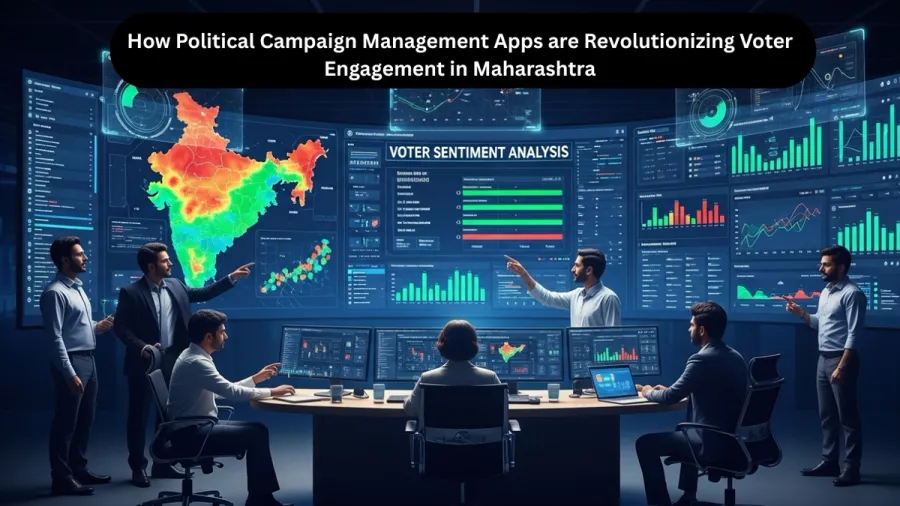
Political Campaign Management Voter Engagement Campaign Management Apps
April 27, 2026 In a fast-evolving digital landscape, political campaigns are no longer driven only by rallies, posters, and door-to-door outreach. In states like Maharashtra, where diversity, scale, and regional identity play a crucial role, political campaign management apps are transforming how leaders connect with voters.
For organizations like Accucia Softwares Pvt. Ltd., this shift represents a powerful opportunity to build intelligent, scalable, and hyper-local engagement systems.

SaaS growth strategy AI in business Business automation
April 25, 2026 In 2026, business growth is no longer driven by effort alone.
It is driven by systems, automation, and intelligence.
Companies that rely on manual processes, disconnected tools, or traditional software are slowing down.
Meanwhile, businesses combining SaaS (Software as a Service) with Artificial Intelligence (AI) are scaling faster, making smarter decisions, and outperforming competitors.
The question is no longer “Should you adopt SaaS or AI?”
The real question is:
How fast can you implement both together?
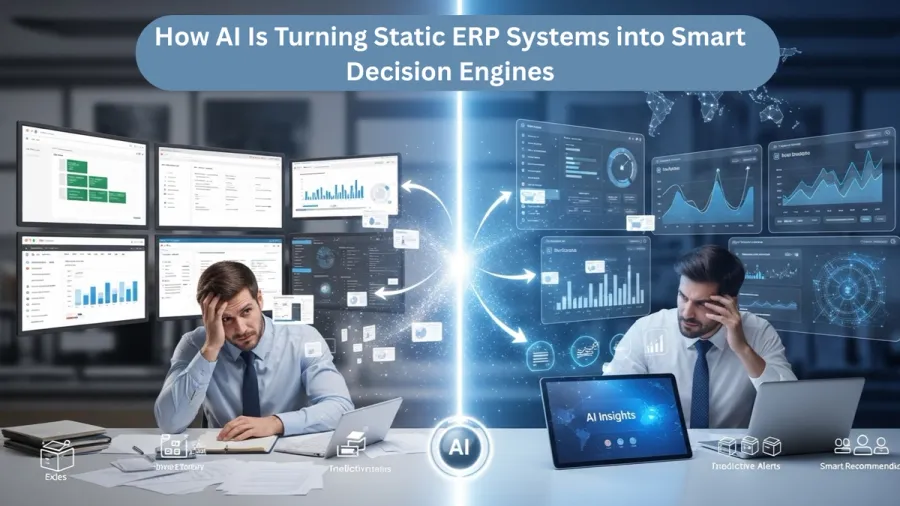
Artificial Intelligence AI Powered ERP Business Automation
April 24, 2026 For years, ERP systems have been the backbone of business operations.
They store data, manage processes, and bring structure to growing organizations.
But here’s the reality:
Traditional ERP systems are passive. They record what happened — but they don’t help you decide what to do next.
In today’s fast-moving business environment, this is no longer enough.
Businesses don’t just need systems that store data.
They need systems that analyze, predict, and guide decisions in real time.
This is where Artificial Intelligence (AI) is transforming ERP systems into smart decision engines.
lead management system crm for lead management sales process optimization
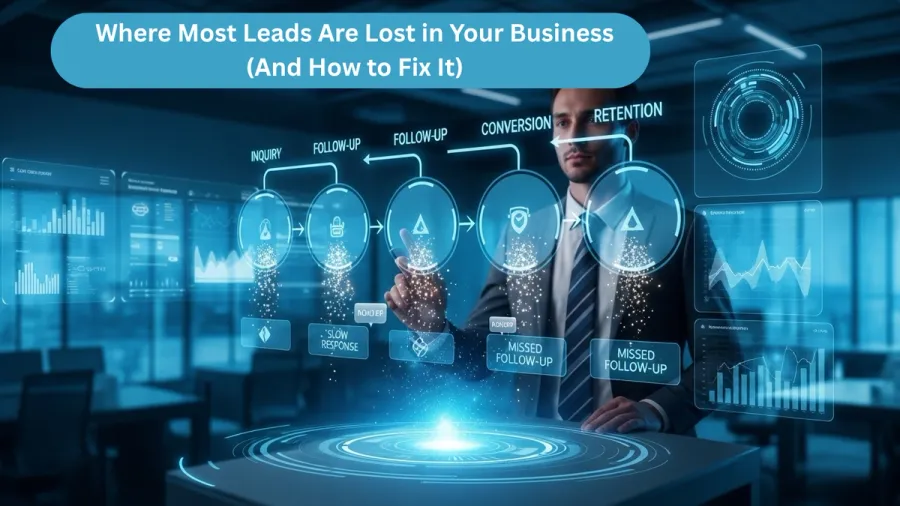
April 21, 2026 Most businesses believe their biggest challenge is not getting enough leads.
However, the reality is different.
You are already generating leads — but you are losing them within your own system.
From delayed responses to unstructured follow-ups, leads slip through unnoticed gaps. The most critical issue is that businesses often do not even know where this loss is happening.
ai powered saas ai business automation cloud based software
April 20, 2026 Businesses today are no longer competing only on products or pricing — they are competing on speed, efficiency, and intelligence.
Companies that are growing faster have one thing in common:
👉 They are using AI-powered SaaS systems to automate operations, analyze data, and make smarter decisions.
This is not a future trend.
This is happening now.
Software as a Service Cloud Software Custom SaaS Development
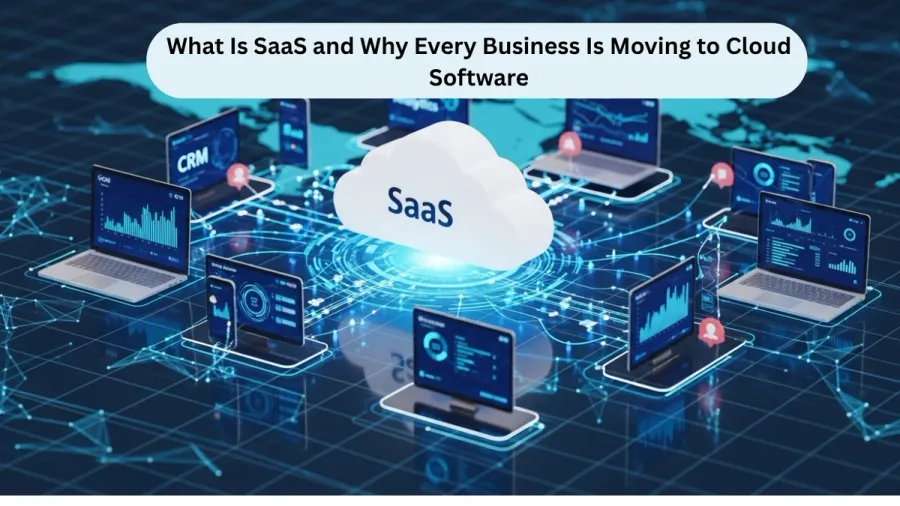
April 17, 2026 Businesses today are moving away from outdated systems, manual processes, and disconnected tools. The modern business environment demands speed, scalability, and real-time decision-making.
This is where Software as a Service (SaaS) comes in — and why companies are increasingly partnering with experts like Accucia Softwares to build and implement cloud-based solutions.
custom software development business automation software replace excel with software
April 15, 2026 As businesses grow, operational complexity increases.
More customers, more data, and more processes.
However, many businesses continue to rely on Excel spreadsheets, manual tracking, and fragmented communication tools.
business software solutions custom software development business process automation
April 14, 2026 In today’s fast-paced digital world, businesses that rely on outdated manual processes are falling behind. Whether you’re a growing startup or an established enterprise, the key to staying competitive lies in working smarter — not harder. That’s exactly where Accucia Softwares comes in. As a leading custom software development company, we build intelligent, scalable, and cost-effective software solutions that streamline operations, boost productivity, and drive real business growth.
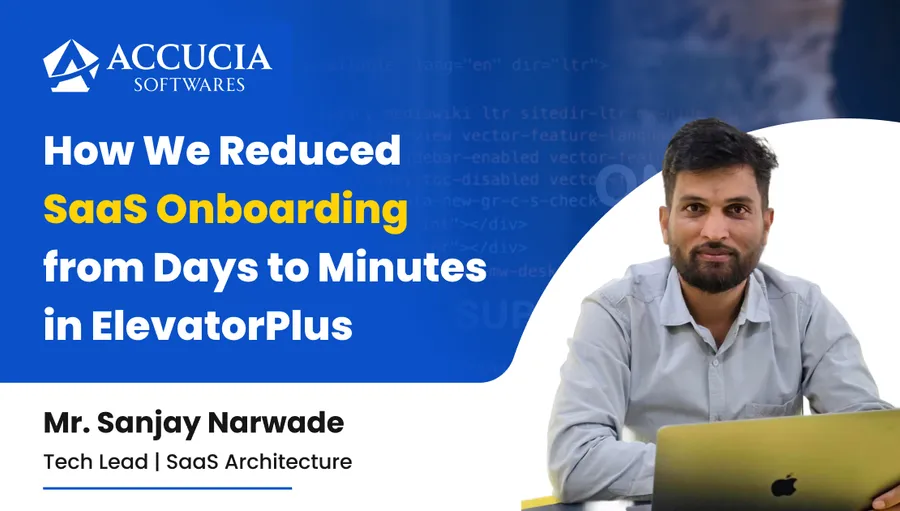
SaaS onboarding SaaS onboarding automation onboarding process optimization
April 13, 2026 We thought we had built a solid system.
The platform was stable. Features were working. Deployments were smooth. From an engineering perspective, everything looked right.
But then reality hit us.
A new customer signed up.
And onboarding… took hours.
Sometimes it stretched to an entire day. And if something went wrong, it took even longer.
What made it more frustrating was that nothing was actually broken.
The issue wasn’t the system — it was the process behind it. It simply wasn’t designed to scale.
mobile app development business app development app development mistakes
April 11, 2026 Building a business app sounds like a powerful step toward growth—but many apps fail to deliver results. Not because the idea was bad, but because of critical mistakes during development.
In India, many businesses invest heavily in app development but struggle with low user adoption, poor performance, or lack of ROI. The truth is, developing a successful business app requires the right strategy, technology, and execution.
If you are planning to build an app, avoiding these mistakes can save you time, money, and frustration.
business automation custom software development business growth strategies
April 10, 2026 Many businesses believe that slow growth is due to market conditions, competition, or lack of demand. But in reality, the biggest problem lies inside the business itself—poor systems.
If your team is constantly chasing updates, managing work through WhatsApp, Excel sheets, or manual processes, your business is not scaling—it is struggling to keep up.
In 2026, growth is not just about working harder. It’s about building smarter systems that support your business at every stage.
Custom ERP Solutions ERP Software for Indian Businesses AI-Powered ERP India
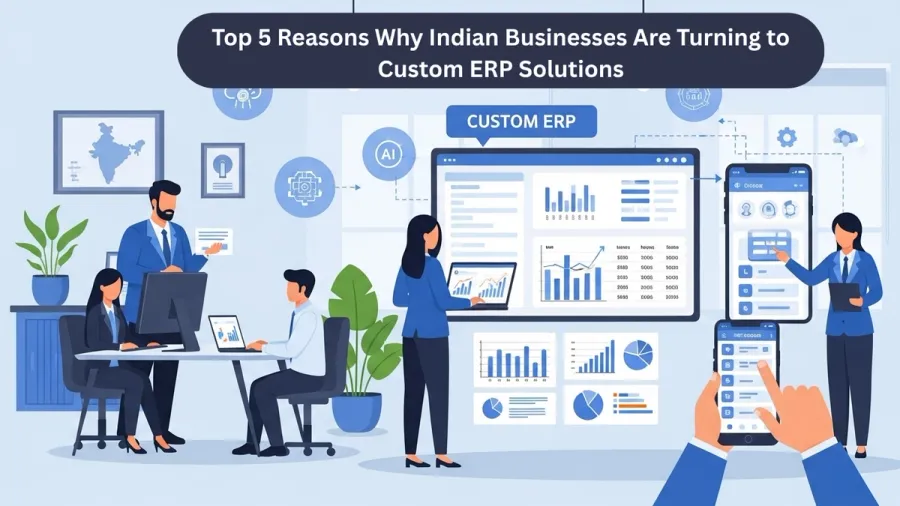
April 9, 2026 In today’s fast-paced and competitive business environment, Indian businesses are increasingly turning to Custom ERP (Enterprise Resource Planning) solutions to streamline their operations, improve efficiency, and drive growth. With the rapid rise of digital transformation in India, companies are realizing the need for tailored software solutions that can address their unique requirements. At Accucia Softwares, we specialize in providing custom ERP solutions that empower businesses to optimize their processes and stay ahead in the market. In this blog, we’ll explore the top five reasons why custom ERP solutions are becoming essential for Indian businesses.

AI Chatbots Customer Support Automation AI in Customer Support
April 8, 2026 Customer support is one of the biggest operational expenses for businesses today. From hiring agents to training, managing shifts, and handling high query volumes — the cost keeps increasing every year.

AI automation for business Business automation without coding AI for business growth
April 7, 2026 You don’t need coding skills to scale your business anymore, you just need the right AI systems
Most business owners believe automation is complicated.
They assume it requires developers, technical knowledge, and large investments.
However, the reality has changed.
Today, AI has made business automation simple, affordable, and accessible to everyone. Even without technical expertise, you can automate daily operations and significantly improve efficiency.
manual vs automation software automation software for business digital transformation for businesses
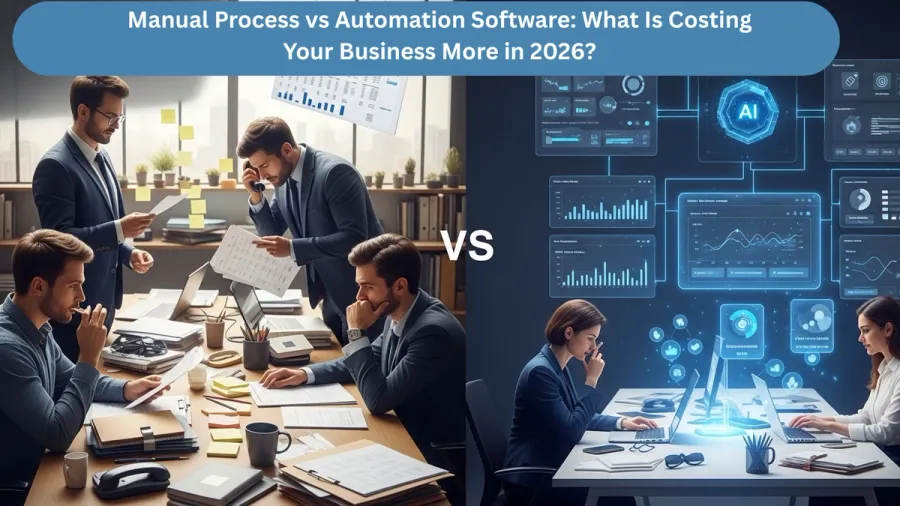
April 6, 2026 In today’s fast-paced digital economy, businesses are no longer competing only on products or pricing they are competing on speed, efficiency, and systems.
kotlin vs flutter flutter vs kotlin android app development
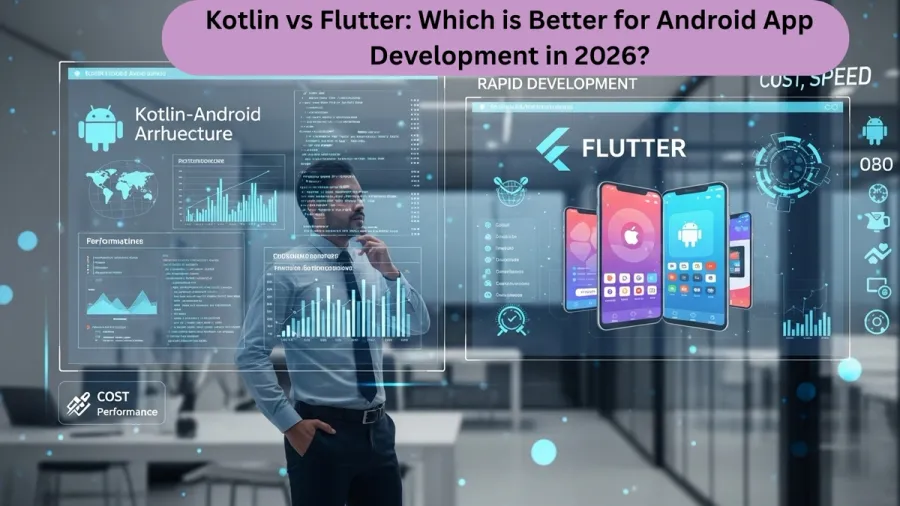
April 4, 2026 In today’s fast-moving digital world, businesses are constantly looking for the best technology to build high-performance mobile apps.
When it comes to Android app development, two powerful technologies dominate the conversation Kotlin and Flutter.
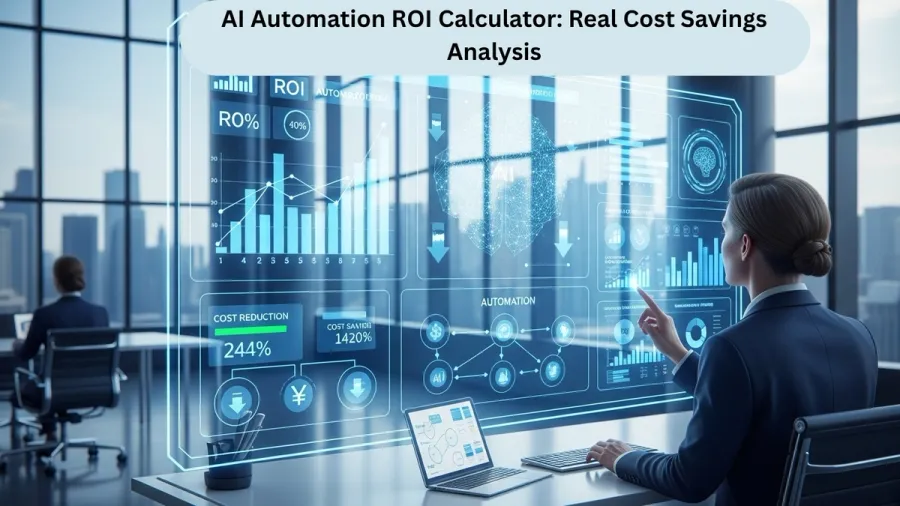
AI automation AI automation ROI automation ROI calculator
April 3, 2026 Most businesses underestimate how much manual processes actually cost them.
On the surface, manual work may seem affordable because it relies on existing staff and familiar workflows. But when you look deeper, hidden costs start to emerge. These include employee time spent on repetitive tasks, human errors, delays in decision-making, and missed opportunities.
For example, a customer support executive handling repetitive queries manually not only consumes time but also limits the team’s ability to focus on high-value interactions. Similarly, manual invoice processing often leads to delayed payments, errors in data entry, and compliance risks.
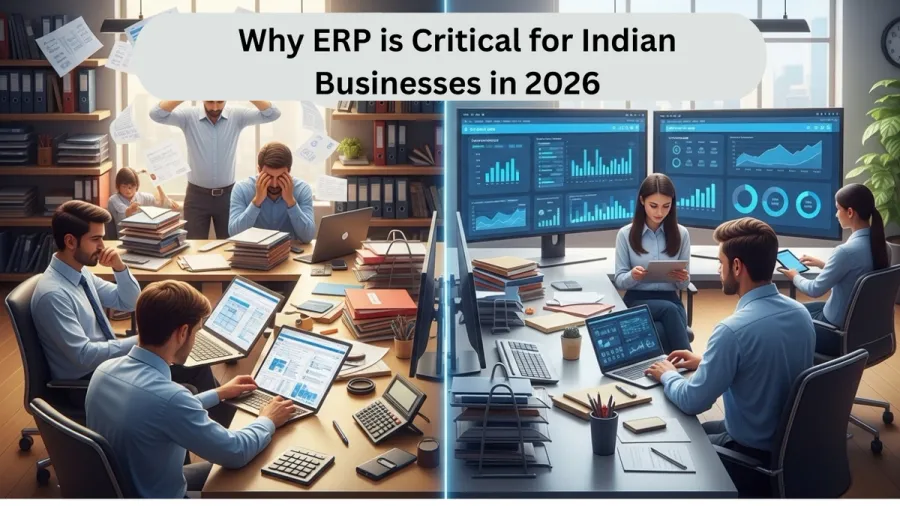
erp software india custom erp development business automation india
April 2, 2026 In 2026, Indian businesses are evolving faster than ever before. With increasing competition, digital transformation, and changing customer expectations, companies can no longer rely on manual processes or disconnected tools to manage their operations.
Businesses today are expected to be faster, more efficient, and data-driven. This shift has made ERP (Enterprise Resource Planning) systems not just useful—but essential.

backend architecture system design high performance systems
April 1, 2026 Engineering Backend Architectures That Survive Growth, Pressure, and Reality
Over the last 4+ years at Accucia Softwares, my journey has evolved from a fresher writing assigned modules to a Senior Software Developer leading teams and managing SRA projects.
The transition wasn’t defined by promotions.
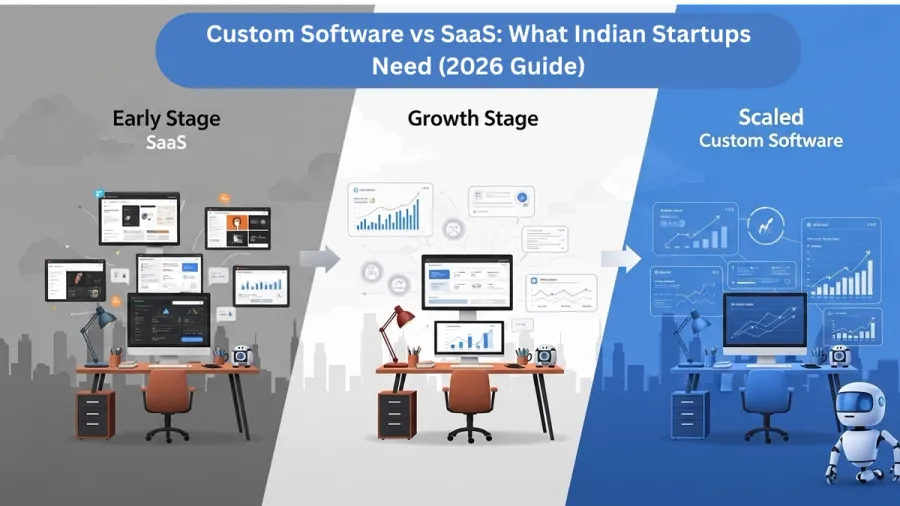
custom software vs saas custom software benefits custom software for startups India
March 27, 2026 Every Indian startup reaches a critical decision point:
Should you build custom software tailored to your needs, or use an existing SaaS solution?
This is not just a technical choice — it directly impacts:
Cost
Scalability
Speed to market
Long-term growth
In this blog, we break down the real differences, use cases, costs, and decision framework to help Indian startups choose the right path.
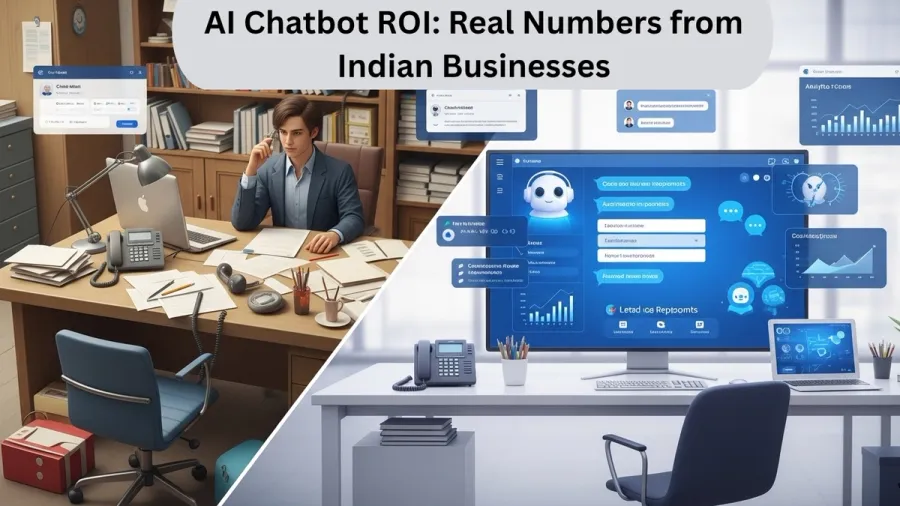
AI chatbot ROI India chatbot ROI statistics India WhatsApp chatbot India
March 26, 2026 AI chatbots are no longer just a support tool — they are becoming revenue drivers, cost optimizers, and growth engines for Indian businesses.
But let’s move beyond the hype.
The real question every business owner asks is:
What ROI do AI chatbots actually deliver?
In this blog, we break down real numbers, real outcomes, and real business impact from AI chatbot adoption in India.
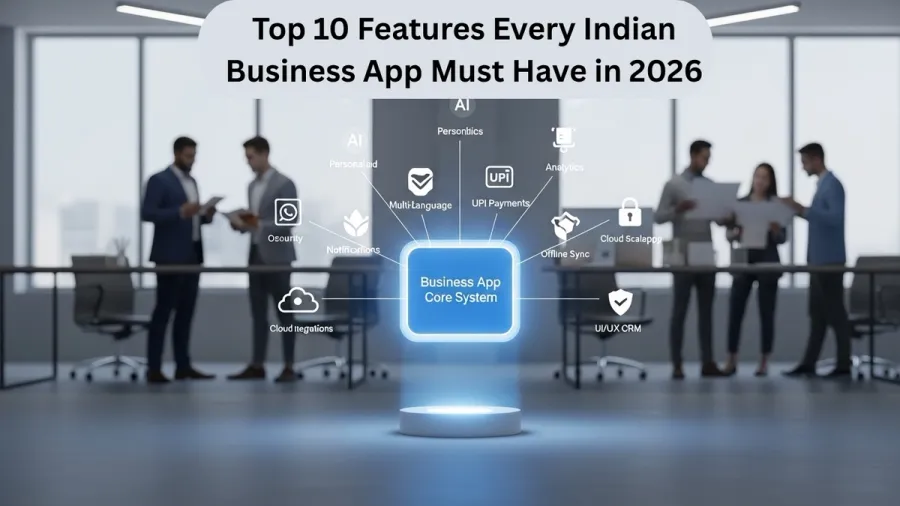
business app features 2026 mobile app features for business business app development india
March 25, 2026 India is rapidly becoming one of the largest digital economies in the world. From kirana stores to enterprise-level businesses, everyone is moving toward mobile-first solutions.
But here’s the reality:
👉 Not every business app succeeds.
In 2026, success depends on how smart, scalable, and user-focused your app is.
If your app doesn’t meet modern expectations, users will switch within seconds.
So the real question is:
👉 Is your business app future-ready?
Let’s explore the Top 10 must-have features every Indian business app needs in 2026.

ERP implementation ERP for manufacturing manufacturing ERP system
March 24, 2026 In today’s competitive manufacturing landscape, relying on manual processes or disconnected systems is no longer sustainable. Indian manufacturers are increasingly adopting Enterprise Resource Planning (ERP) systems to streamline operations, improve efficiency, and gain real-time visibility across their business.
However, implementing an ERP system is not just about installing software—it’s about transforming how your business operates. This guide will walk you through everything you need to know about ERP implementation for Indian manufacturing businesses.
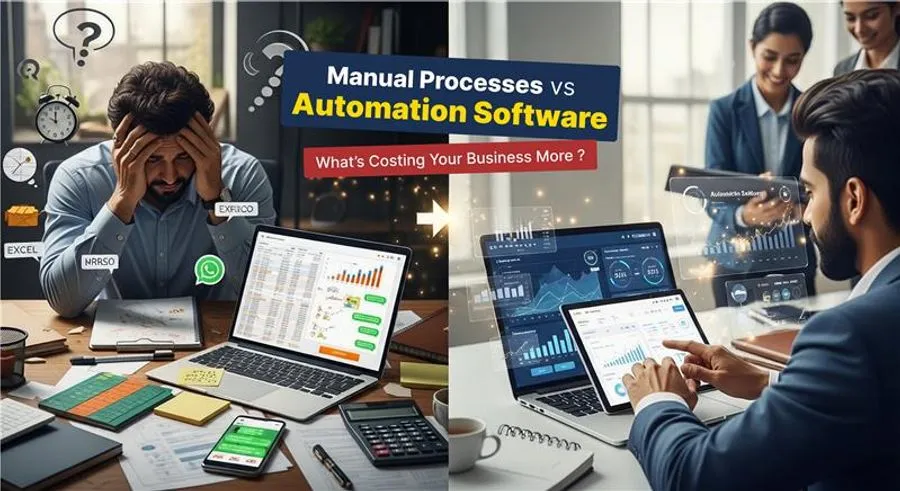
automation software manual processes business process automation
March 23, 2026 The Hidden Cost Most Businesses Ignore
At first glance, manual processes seem cost-effective.
No software investment, no onboarding, no technical setup.
But here’s the reality most businesses don’t see:
Manual work is silently draining your time, money, and growth potential.
From handling spreadsheets to tracking operations through calls and messages — businesses often operate in a reactive mode instead of a scalable system.
And in 2026, that’s no longer sustainable.
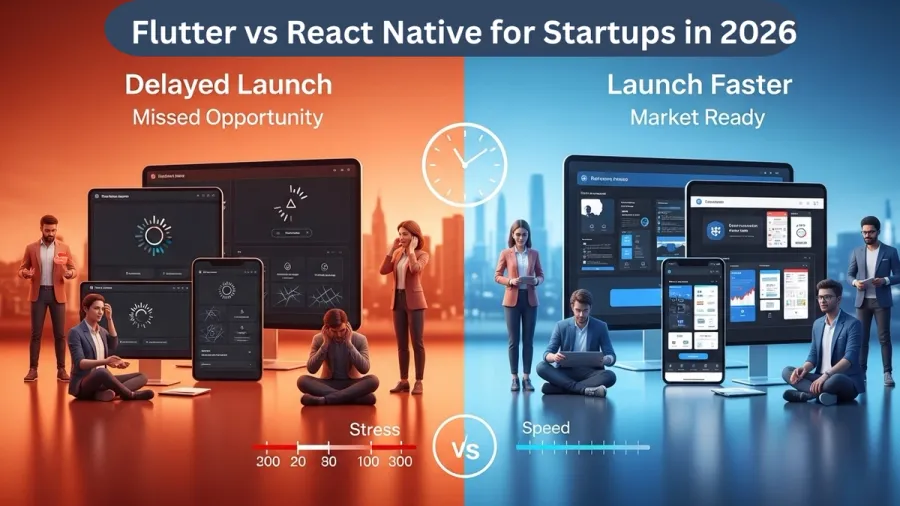
flutter vs react native 2026 flutter vs react native for startups best framework for startup app development
March 20, 2026 Every startup begins with excitement. You have a product idea, a vision, and the urgency to launch before competitors. But right at the beginning, there is one decision that silently shapes your entire journey — choosing the right mobile app framework.
Most founders don’t realize this early enough. They focus on features, design, and funding, but ignore the foundation. And in 2026, this one decision between Flutter and React Native can decide how fast you launch, how much you spend, and how well your app performs in the long run.
The truth is simple. Startups rarely fail because of bad ideas. They fail because execution becomes slow, expensive, or unstable. And your tech stack plays a major role in that.
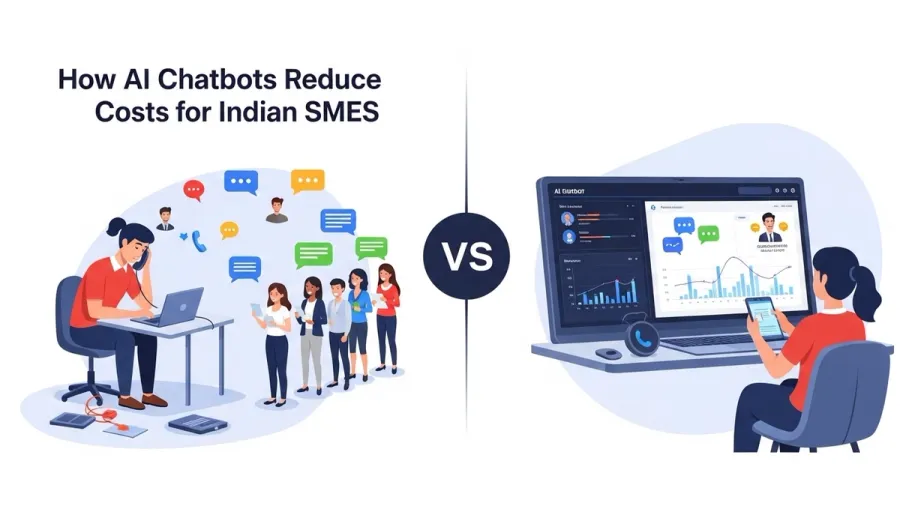
AI chatbots for business AI chatbots for SMEs how AI chatbots reduce support costs
March 18, 2026 In today’s fast-paced digital economy, customer support is no longer optional—it’s a business necessity. For Indian SMEs (Small and Medium Enterprises), delivering fast, consistent, and reliable customer support can be challenging due to limited resources, rising operational costs, and increasing customer expectations.
This is where AI chatbots for Indian SMEs are transforming the game.
Across India, businesses are adopting AI-powered customer support solutions to automate interactions, reduce costs, and improve response times. From retail and e-commerce to service-based businesses, AI chatbots are helping companies deliver 24/7 support without increasing team size.
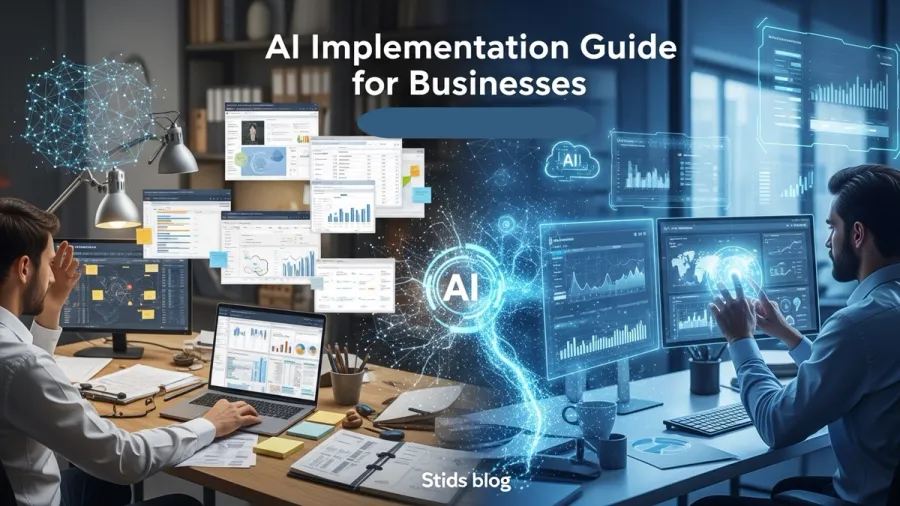
AI implementation guide business AI implementation AI adoption strategy
March 17, 2026 Artificial Intelligence (AI) is no longer a futuristic concept—it has become a core driver of business growth, efficiency, and innovation. Across industries, companies are leveraging AI to automate operations, improve decision-making, enhance customer experiences, and unlock new revenue streams.
However, while the potential of AI is massive, many businesses struggle with one critical question:
“How do we actually implement AI in our business?”
This guide provides a clear, practical, and professional roadmap to help businesses successfully adopt AI and turn it into measurable results.
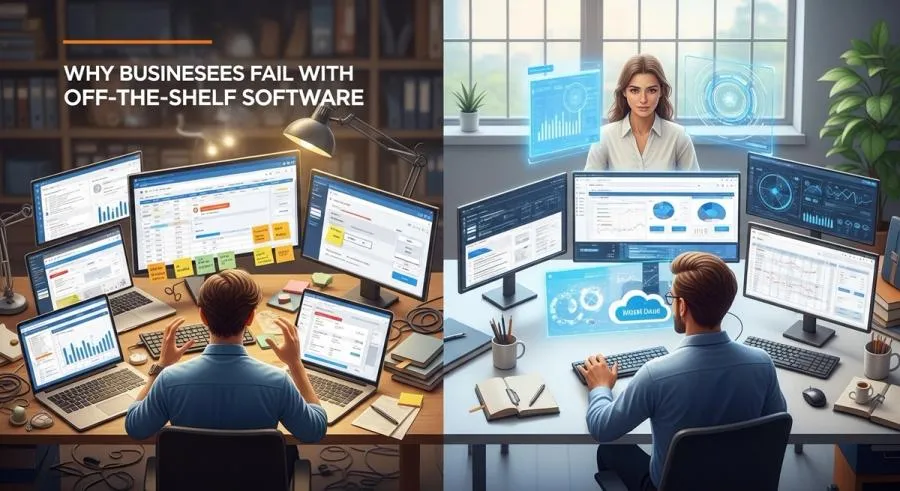
off-the-shelf software problems off-the-shelf software limitations business software challenges
March 16, 2026 In today’s digital-first economy, software plays a critical role in how businesses operate, scale, and compete. From managing operations and customer relationships to tracking inventory and analyzing performance, technology has become the backbone of modern organizations.
However, many businesses still rely on off-the-shelf software—pre-built solutions designed to serve a broad audience with generalized features. While these tools often promise quick deployment and lower upfront costs, they frequently fail to deliver long-term value for businesses with specific operational needs.
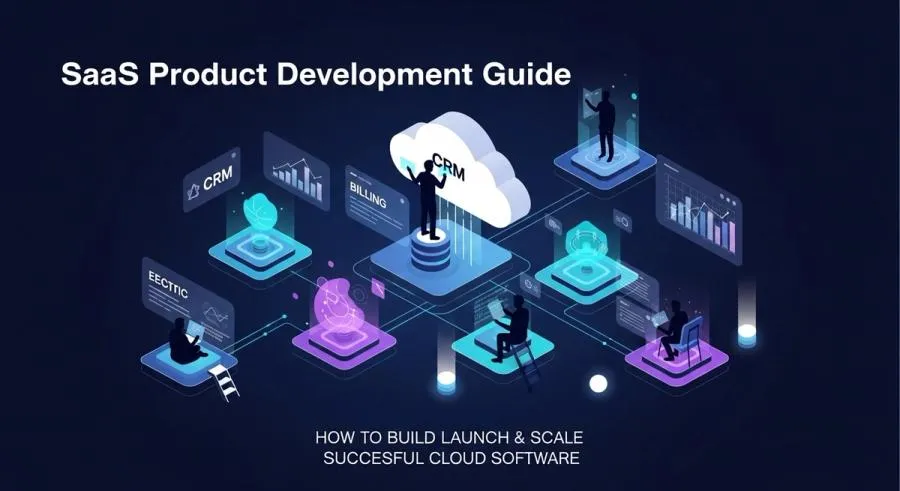
SaaS product development SaaS development guide how to build a SaaS product
March 14, 2026 Software is no longer just a product it has become a service. Businesses today prefer flexible, cloud-based tools that can be accessed from anywhere, updated automatically, and scaled easily. This is why SaaS (Software as a Service) products have become one of the fastest-growing segments in the technology industry.
From CRM platforms to marketing automation tools, SaaS products power thousands of modern businesses.
However, building a successful SaaS product requires much more than writing code. It requires clear product strategy, scalable architecture, user-centric design, and continuous improvement.
This guide explains the complete SaaS product development process, from idea validation to scaling a successful SaaS platform.

ERP System ERP Performance Business Automation
March 13, 2026 Most businesses invest in ERP systems expecting better efficiency, faster workflows, and improved control over operations.
But what happens when the ERP itself becomes the bottleneck?
Many companies today are struggling with slow, outdated ERP systems that delay processes, frustrate employees, and quietly reduce productivity across the organization.
If your team frequently complains that your ERP is slow, complicated, or takes too long to load, it may be costing your business far more than you realize.
In this article, we’ll explore why slow ERP systems occur, how they impact businesses, and what modern companies are doing to solve this problem.
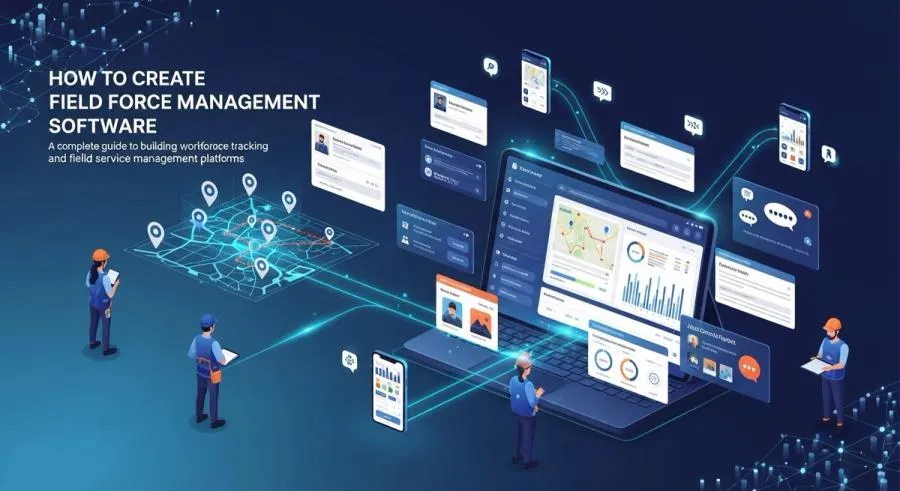
Field Force Management Software Mobile Workforce Management SaaS Workforce Management
March 12, 2026 Businesses that rely on field employees, technicians, service engineers, or sales teams often struggle with operational visibility. Managing a distributed workforce using spreadsheets, phone calls, or manual reporting leads to delays, inefficiencies, and lost productivity.
This is where Field Force Management Software becomes essential.
A well-designed field force management system helps businesses track field staff, assign tasks, manage service operations, and monitor productivity in real time. In this guide, we will explore how to create field force management software, the key features it should include, the technology stack required, and how businesses can implement a scalable solution.
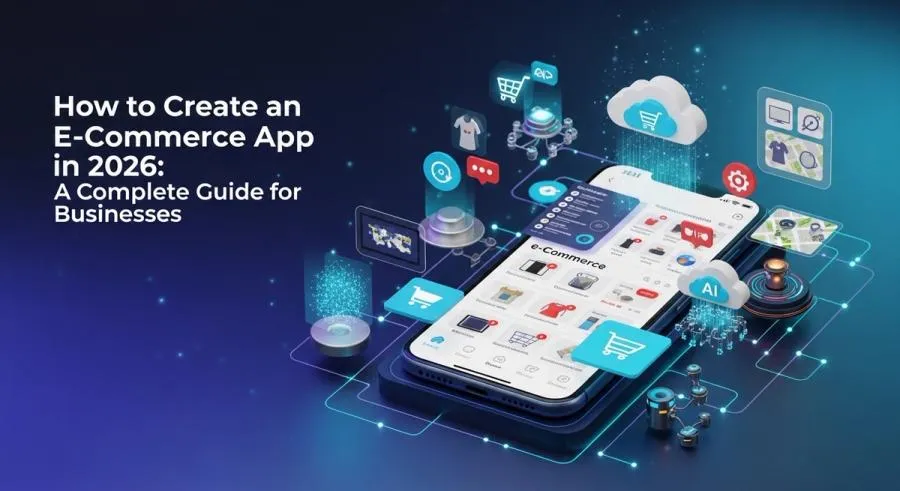
E-commerce App Development Mobile App Development E-commerce Mobile Apps
March 11, 2026 The global e-commerce industry continues to grow rapidly, and by 2026, mobile commerce is expected to dominate online shopping. Consumers prefer mobile apps because they offer faster performance, personalized experiences, and seamless payment options.
For businesses looking to stay competitive, building a custom e-commerce mobile app is no longer optional — it is a strategic investment. Whether you are a startup, retailer, or enterprise brand, an e-commerce app can help you reach customers directly and scale your digital presence.
In this guide, we will explore how to create an e-commerce app in 2026, including essential features, technology stack, development steps, and best practices.
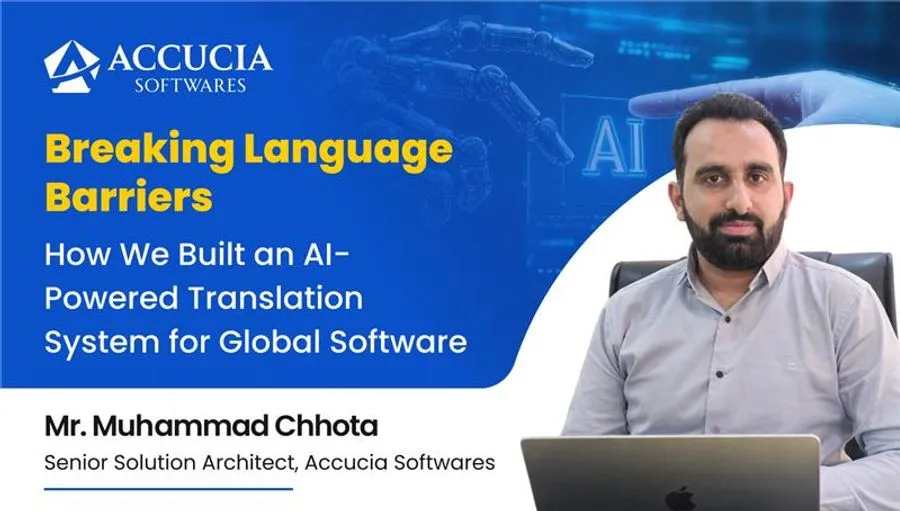
AI-Powered Translation System ElevatorPlus Localization Technology
March 10, 2026 Muhammad Chhota is a Senior Solution Architect at Accucia with 10 years of experience building production-grade software systems. He specializes in SaaS architecture, AI integration, and solving complex engineering challenges at scale.

Flutter App Development Mobile App Development Flutter Framework
March 7, 2026 In today’s digital world, businesses want mobile applications that are fast, reliable, and cost-effective. Developing separate apps for Android and iOS can be time-consuming and expensive. This is where Flutter app development has become a popular solution for modern businesses.
Flutter is a powerful framework that allows developers to build high-performance mobile applications for multiple platforms using a single codebase.
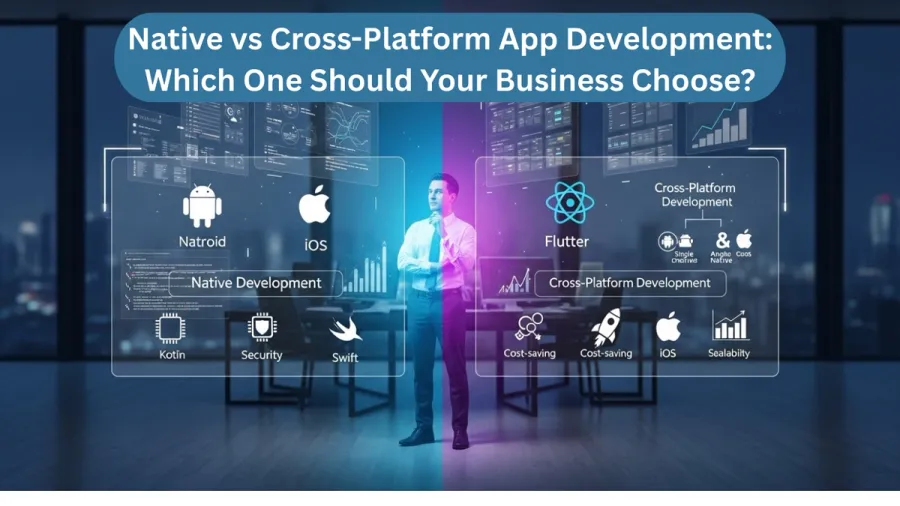
Native App Development Cross-Platform App Development Mobile App Development 2026
March 2, 2026 In 2026, choosing the right mobile app development approach is not just a technical decision — it’s a business strategy.
Whether you're a startup building an MVP or an enterprise planning a scalable digital ecosystem, the choice between Native and Cross-Platform app development directly impacts cost, performance, scalability, and long-term growth.
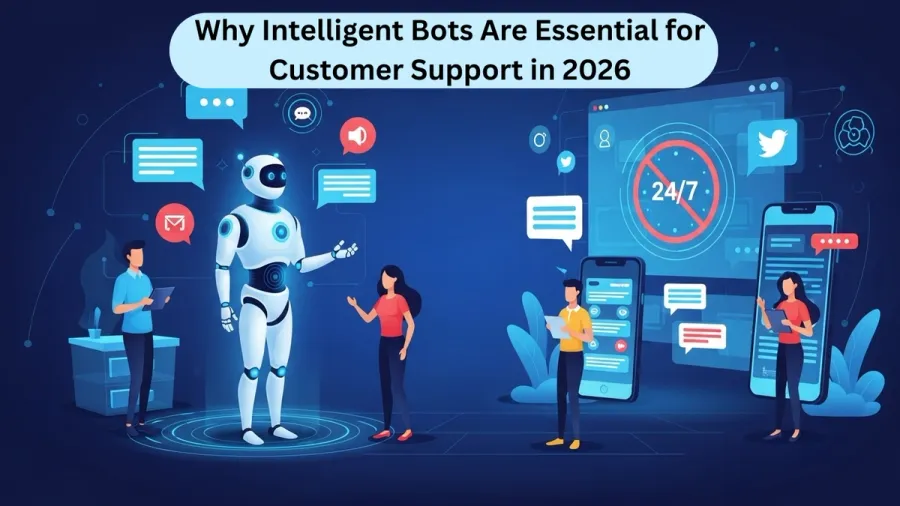
Artificial Intelligence Intelligent Bots Digital Customer Experience
February 27, 2026 In the fast-paced world of customer service, the need for seamless, efficient, and 24/7 support has never been more critical. Traditional customer service methods, while effective in many cases, often fall short in handling the rising demands of customers who expect instant responses and personalized attention. Enter intelligent bots—AI-powered solutions that are revolutionizing how businesses interact with customers. As we look toward 2026, intelligent bots are poised to play an even more essential role in delivering exceptional customer support. Here’s why.

Business Website Digital Presence Website for Business
February 25, 2026 In today’s digital-first economy, customers don’t just walk into stores — they search online first. Whether you run a local service business, a growing startup, or an established company, your online presence plays a critical role in shaping customer decisions.
Yet many businesses still operate without a website, assuming social media pages or word-of-mouth are enough. The reality is different. Not having a website is quietly costing you visibility, credibility, and most importantly sales.
Let’s explore why.
modern crm system crm software customer relationship management
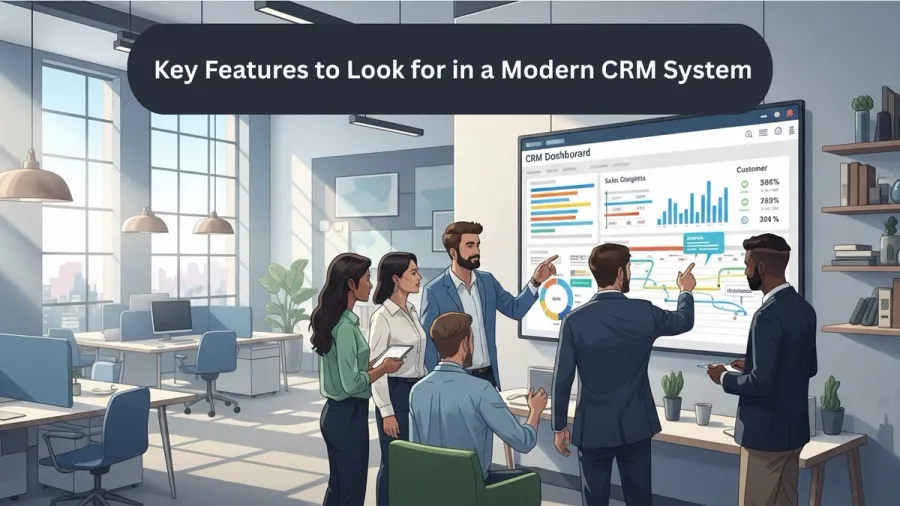
February 23, 2026 In today’s competitive and customer-driven market, businesses can no longer rely on spreadsheets, scattered communication, or manual follow-ups to manage customer relationships. A modern Customer Relationship Management (CRM) system has become the backbone of efficient sales, marketing, and customer service operations.
But with so many CRM platforms available, choosing the right one can feel overwhelming. The key is understanding which features truly drive productivity, improve customer experience, and support long-term growth.
In this blog, we’ll explore the essential features every modern CRM system should have to help your business stay organized, data-driven, and customer-focused.
business process automation intelligent automation automation in business
February 21, 2026 In today’s fast-moving digital landscape, businesses can no longer afford slow operations, manual errors, or disconnected workflows. Customers expect faster responses, teams need better visibility, and leaders demand data-driven decisions. This is where business process automation powered by intelligent systems becomes a game-changer.
software testing ai in testing software testing career
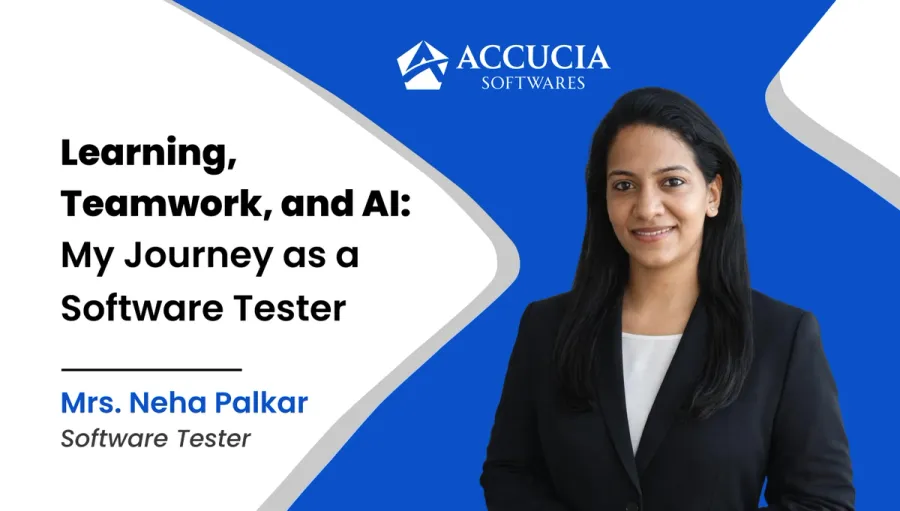
February 17, 2026 When I began my journey in software testing, I joined the organization as a Software Trainee curious, eager to learn, and ready to take on every opportunity that came my way. What started as a learning phase gradually evolved into a journey defined by confidence, ownership, and real-world impact.
AI Chatbots Business Automation Customer Service
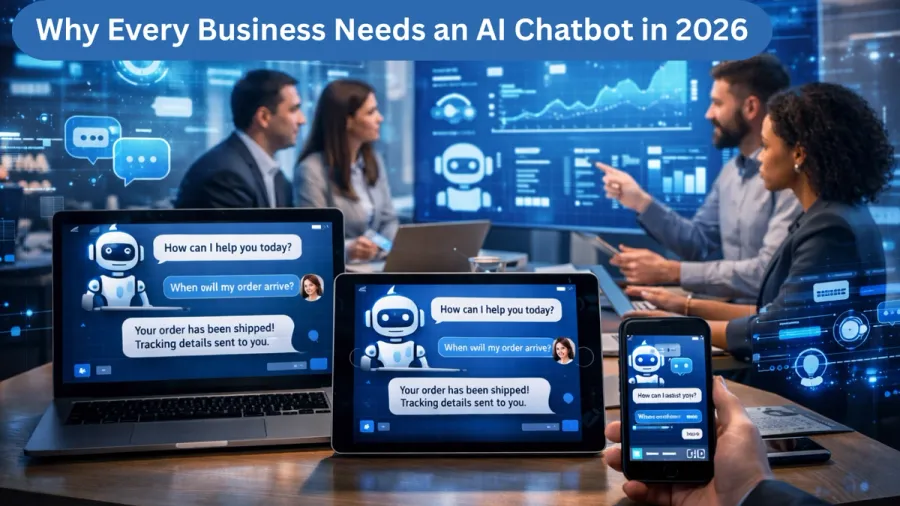
February 10, 2026 In 2026, businesses across industries are becoming more reliant on cutting-edge technologies to improve efficiency, enhance customer experiences, and stay ahead of the competition. One of the most transformative advancements in business communication is the implementation of AI chatbots. These intelligent systems are not just a passing trend; they are quickly becoming an essential tool for businesses aiming to provide real-time customer support, streamline operations, and boost engagement.
Here’s why every business should consider integrating an AI chatbot into their operations in 2026:
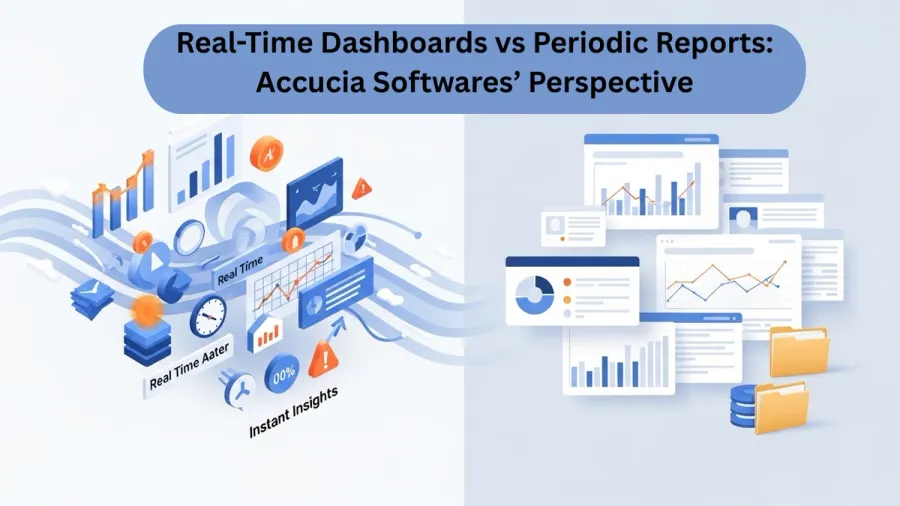
data analytics business intelligence custom software development
February 3, 2026 At Accucia Softwares, we work closely with growing businesses, enterprises, and government organizations to design data-driven systems. One question we hear repeatedly from leadership teams is:
“Do we really need real-time dashboards, or are periodic reports enough?”
The short answer is: it depends on how your business operates—but relying on only one is a strategic limitation.
This blog shares Accucia Softwares’ practical perspective, based on real-world system implementations across industries.
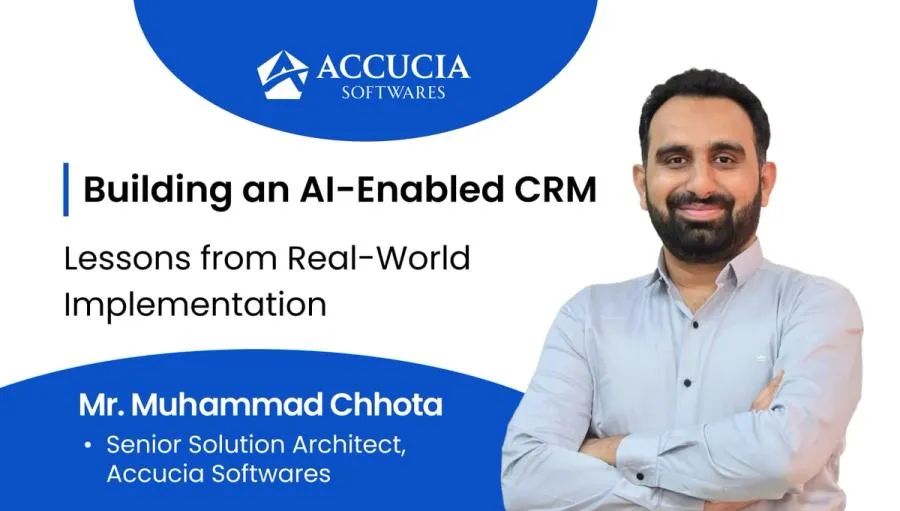
ai crm crm architecture artificial intelligence in crm
February 1, 2026 Over the last few years, AI has shifted from being an experimental concept to an expected capability—especially in customer-facing platforms like CRMs. As a solution architect, I’ve had the opportunity to design and deliver multiple CRM platforms with AI capabilities, built from the ground up and deployed into real production environments across different industries.
These systems were never built as AI showcases. They were created to solve practical, day-to-day problems such as missed leads, delayed responses, scattered sales data, and sales teams spending more time managing tools than engaging with customers. This article reflects on what I learned while architecting AI-enabled CRMs, the challenges we faced, and the principles that consistently worked in real-world usage.
workflow automation custom workflow automation operational efficiency
January 31, 2026 In today’s fast-paced business environment, operational efficiency is key to staying competitive. Companies across industries are embracing digital solutions to streamline processes, reduce costs, and enhance productivity. One of the most effective ways to achieve this is through custom workflow automation.
Custom workflow automation is more than just a buzzword; it’s a game-changer for businesses looking to optimize their operations. By automating routine tasks, workflows can become more efficient, allowing teams to focus on high-value activities. In this blog, we’ll explore how custom workflow automation can boost operational efficiency and why businesses should consider implementing it.
Artificial Intelligence AI in Business AI-Driven Solutions
January 27, 2026 In today’s competitive digital landscape, customer experience (CX) has become the strongest differentiator between successful and struggling businesses. Features and pricing can be copied, but a seamless, intelligent, and personalized experience is what keeps customers loyal.
This is where Artificial Intelligence (AI) is redefining how digital products interact with users.
From mobile apps to enterprise platforms, AI is no longer an optional enhancement—it is a strategic necessity.

Digital Transformation Business Automation Technology for Business
January 23, 2026 Every year on 26th January, we proudly celebrate India’s Republic Day — a day that reminds us of freedom, self-governance, and the power of a strong constitution.
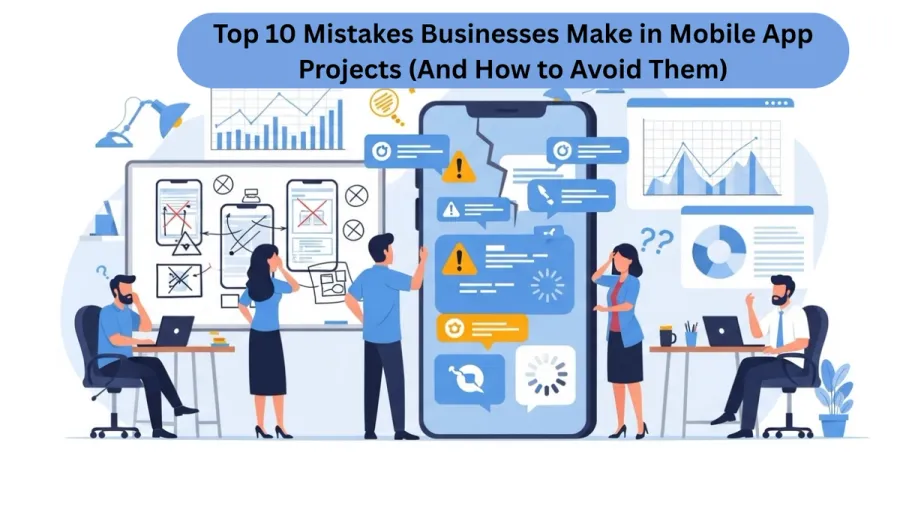
Mobile App Development Mobile App Projects Business Technology
January 22, 2026 Building a mobile app is no longer just a technology decision—it’s a business decision. Yet, many businesses invest time, money, and effort into mobile app projects that fail to deliver expected results.
Not because the idea was bad, but because critical mistakes were made during planning and execution.
In this blog, we’ll explore the top 10 mistakes businesses make in mobile app projects and, more importantly, how you can avoid them.
Business clarity Direction and vision Building with intent
January 19, 2026 A reflection on why a new logo is not about design, but about alignment with evolved thinking, clearer direction, and the future Accucia is committed to building.
Software Architecture Solution Architecture Software Engineering
January 17, 2026 Over the last 10+ years, my role in software development has evolved significantly—from a junior developer, to a senior developer, and eventually to a solution solution architect responsible for designing systems that operate at scale and directly support business growth.
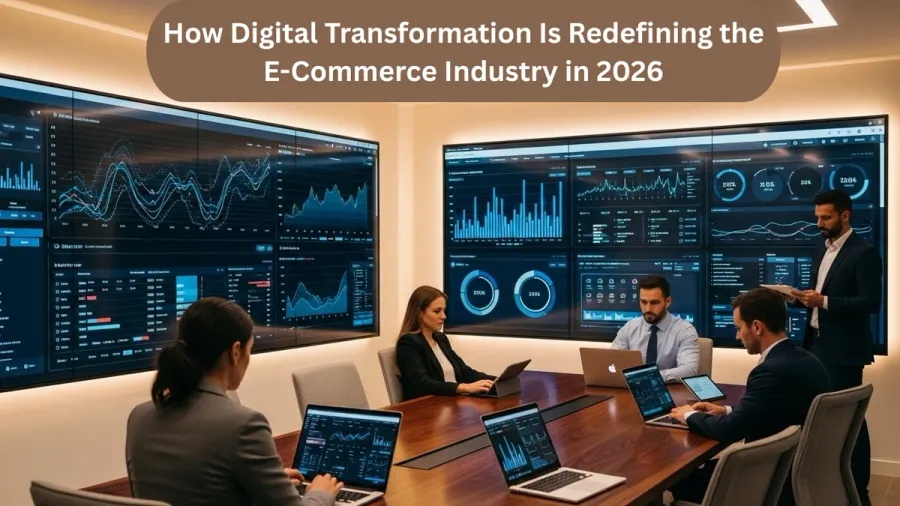
Digital Transformation E-Commerce 2026 E-Commerce Innovation
January 17, 2026 The e-commerce industry has evolved far beyond online storefronts. In 2026, digital transformation is no longer a competitive advantage—it is a business necessity. Rapid advancements in technology, changing consumer expectations, and the demand for seamless, personalized experiences are redefining how e-commerce businesses operate, scale, and compete.
Organizations that embrace digital transformation are not only improving customer experiences but also building resilient, future-ready commerce ecosystems.
AI dashboards AI-powered analytics Data-driven decision making
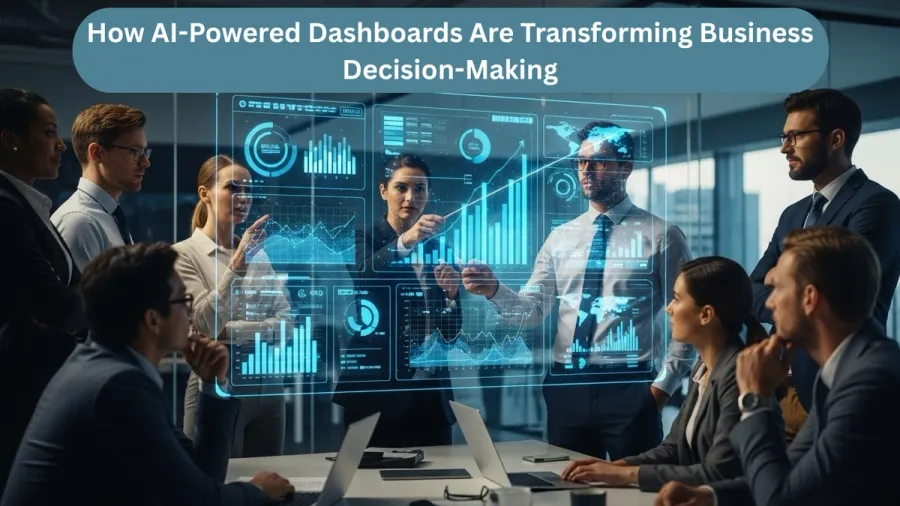
January 16, 2026 In today’s data-driven world, businesses are generating more information than ever before. However, having access to large volumes of data does not automatically lead to better decisions. The real challenge lies in converting raw data into meaningful, actionable insights—quickly and accurately. This is where AI-powered dashboards are transforming the way organizations make decisions.
Unlike traditional dashboards that rely on static reports and manual analysis, AI-powered dashboards use advanced technologies such as machine learning, predictive analytics, and automation to deliver real-time, intelligent insights. As a result, decision-making becomes faster, smarter, and more strategic.
Business Automation Founder Productivity Founder Time Management
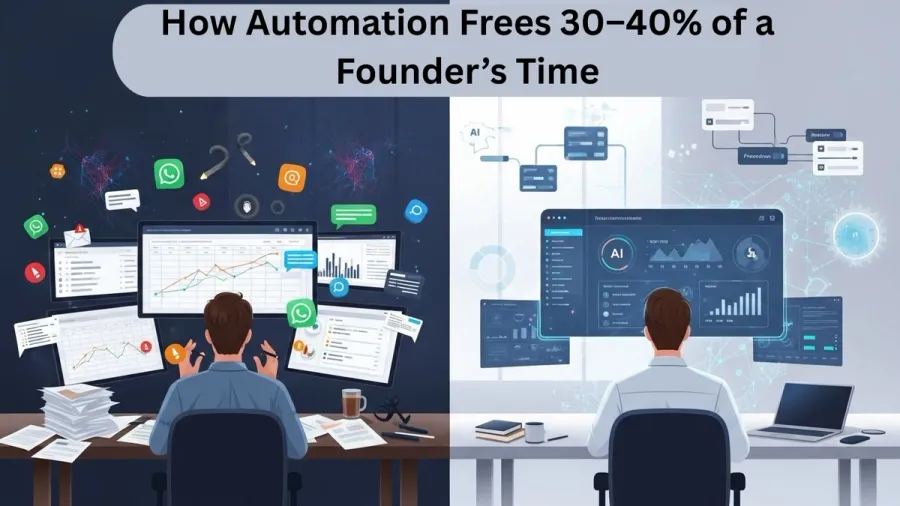
January 14, 2026 And Why Smart Businesses Are Shifting from Manual Control to Intelligent Systems
Artificial Intelligence AI for Business Business Automation
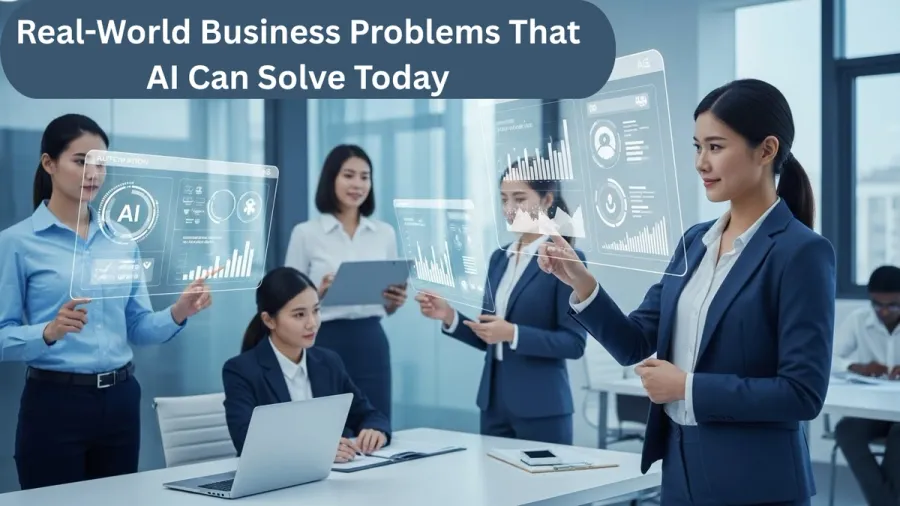
January 14, 2026 Artificial Intelligence is no longer an experimental technology reserved for large enterprises or future roadmaps. Today, AI is actively solving real-world business problems across industries—improving efficiency, reducing costs, and enabling smarter decision-making. Organizations that adopt AI strategically are already seeing measurable results.
At Accucia Softwares, we work with businesses to implement practical, AI-driven solutions that deliver immediate value. Below are some of the most common business challenges AI can solve right now.
Smart Apps AI-Powered Applications Artificial Intelligence
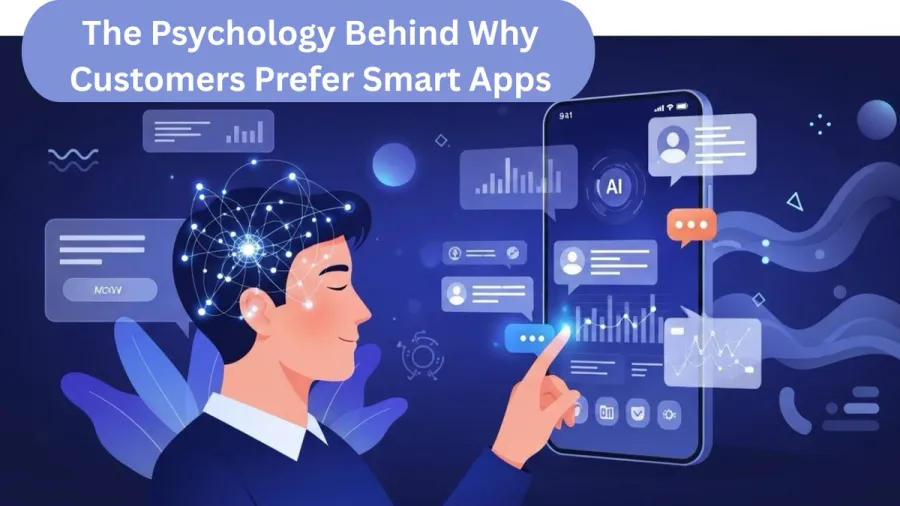
January 13, 2026 In today’s digital-first world, businesses are constantly seeking ways to engage customers effectively. While traditional websites and basic apps still have value, there is a clear shift: customers increasingly prefer smart apps—applications powered by AI, personalization, automation, and predictive insights. But why is this happening? The answer lies in human psychology.
Business Automation Digital Transformation Government Technology Solutions
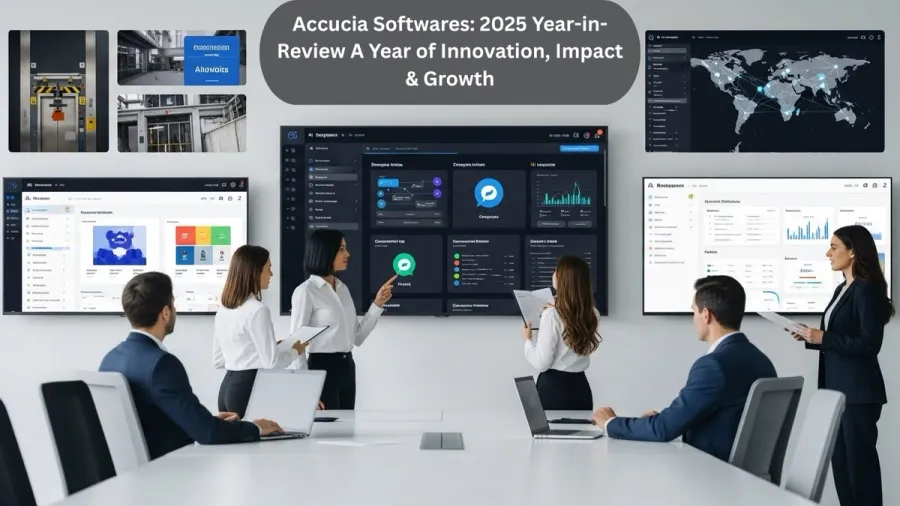
January 12, 2026 As 2025 comes to a close, Accucia Softwares continues to stand out in the IT landscape — not just as a software development company, but as a transformative technology partner driving intelligent automation and digital success for businesses worldwide. With a strong foundation in AI, custom applications, and business automation, the company has once again delivered measurable results and meaningful impact throughout the year.
Government Software Public Sector Technology Custom Software Development
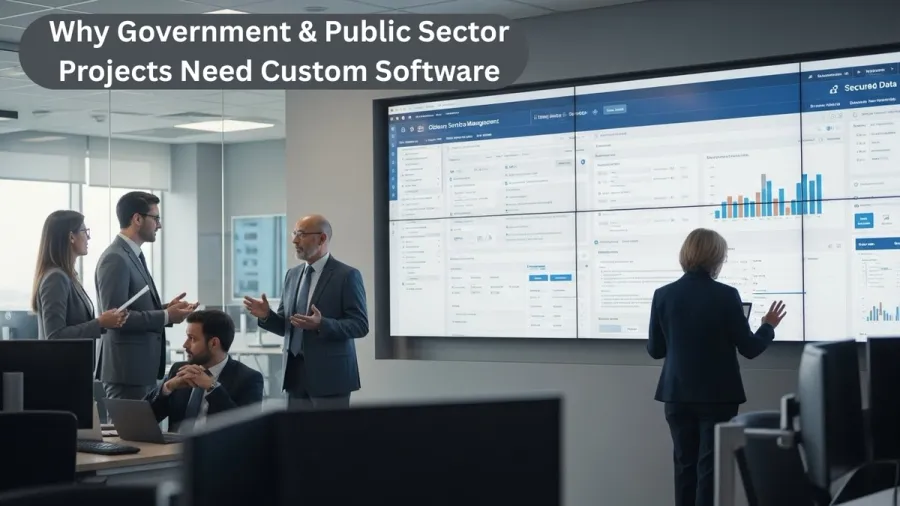
January 10, 2026 Governments and public sector organizations across the world are under increasing pressure to deliver services that are efficient, transparent, secure, and citizen-centric. From healthcare and education to transportation, utilities, and municipal services, technology now plays a central role in how public services are planned, delivered, and monitored.
However, many government projects still rely on outdated systems or generic, off-the-shelf software that fails to address the complexity and scale of public sector operations. This is where custom software development becomes not just beneficial, but essential.
Healthcare Automation Digital Health Medical Technology
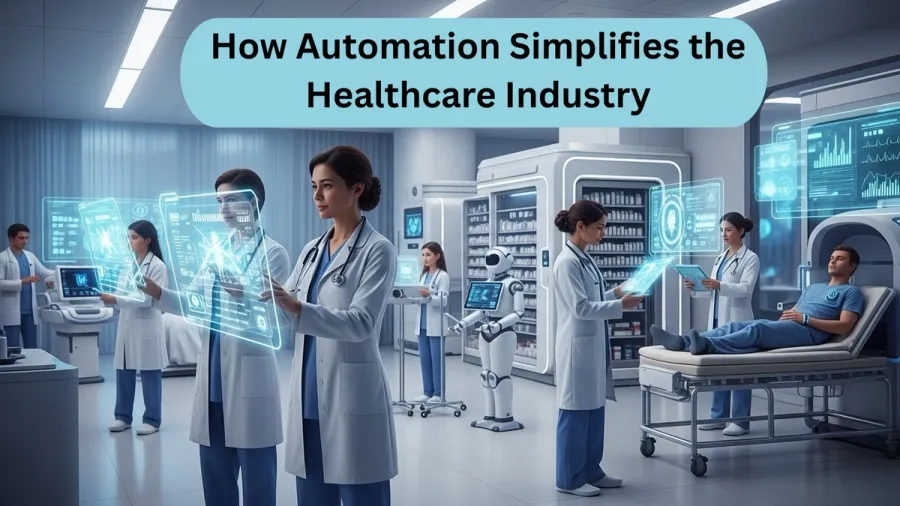
January 9, 2026 In today’s fast-paced world, the healthcare industry is under immense pressure to deliver efficient, accurate, and patient-centric services. From hospitals and clinics to telemedicine providers, healthcare organizations face challenges like high administrative workload, delayed patient care, and complex data management. This is where automation steps in — transforming the way healthcare operates and enhancing both efficiency and patient outcomes.
Inefficient Systems Business Systems Business Process Management
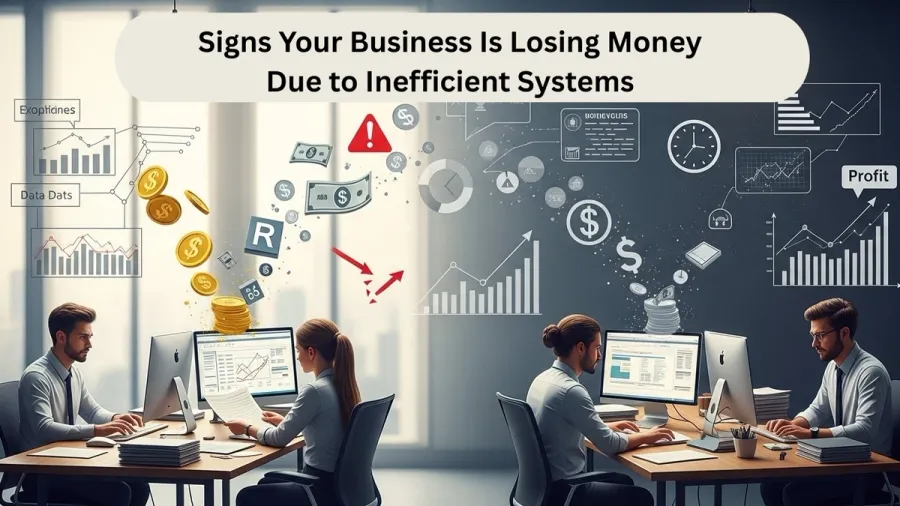
January 8, 2026 Many businesses focus on increasing sales while overlooking a critical factor that silently drains revenue—inefficient systems. Outdated, disconnected, or poorly designed software and processes can significantly impact profitability without being immediately visible on financial statements.
Inefficiencies often hide in daily operations, gradually increasing costs, reducing productivity, and limiting growth potential. Recognizing these warning signs early can help businesses take corrective action before losses escalate.

Web Framework Custom Web Development React Framework
January 8, 2026 Choosing the right web framework is one of the most important decisions in any web development project. A web framework directly impacts your website’s performance, scalability, security, development cost, and future growth. For businesses, this decision is not just technical—it is strategic.
This blog explains what web frameworks are, why they matter, and how businesses can choose the right framework based on their goals and requirements.
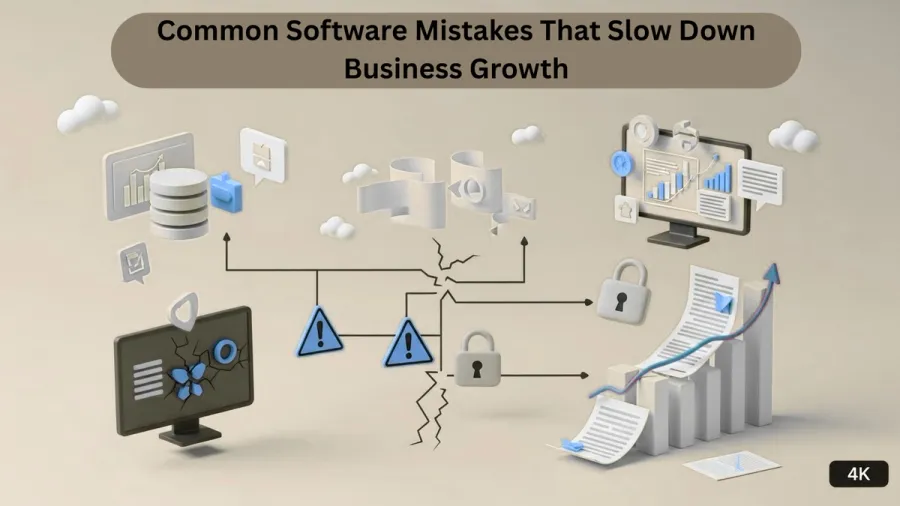
Software Development Business Software Custom Software Solutions
January 7, 2026 In today’s fast-paced digital landscape, software plays a critical role in driving efficiency, innovation, and scalability. Businesses invest heavily in technology with the expectation of faster operations and better decision-making. However, when software is poorly planned, implemented, or maintained, it can become a major obstacle rather than a growth enabler.
Many organizations unknowingly make software-related mistakes that slow down productivity, increase costs, and limit future growth. Understanding these common pitfalls is the first step toward building a stronger, technology-driven business.
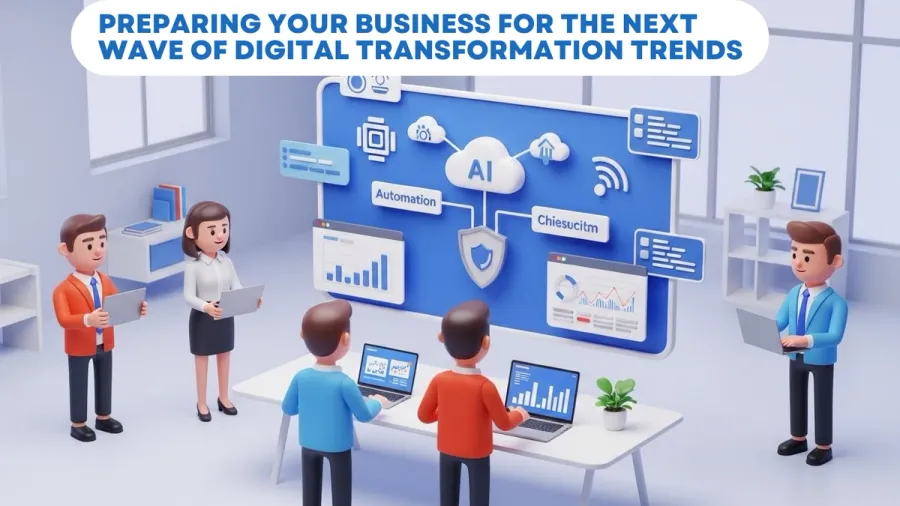
Digital Transformation Business Innovation Future Technology
January 6, 2026 Digital transformation is no longer a one-time initiative—it is a continuous journey. As technology evolves at an unprecedented pace, businesses must stay ahead of emerging trends to remain competitive, resilient, and future-ready. The next wave of digital transformation goes beyond basic automation and cloud adoption, focusing on intelligence, agility, and customer-centric innovation.
In this blog, we explore key digital transformation trends shaping the future and how businesses can prepare to embrace them successfully.

Digital Transformation Custom Software Solutions AI in Business
January 5, 2026 In today’s fast-paced digital world, businesses cannot rely solely on traditional methods to stay competitive. Digital transformation is no longer optional—it’s essential. Whether you run a small startup or a large enterprise, a custom software solution can streamline operations, enhance customer experience, and drive growth. But how can you successfully digitize your business without disruption? Let’s break down the steps.
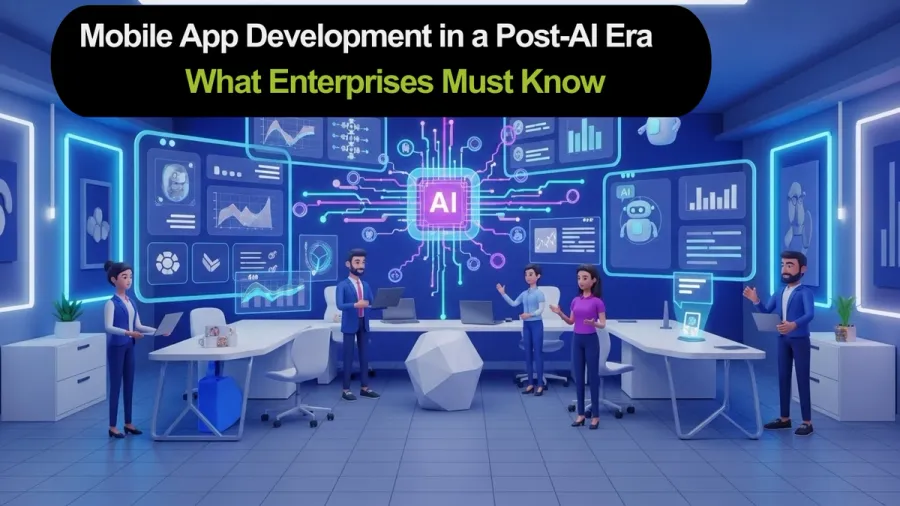
Mobile App Development AI-Driven Mobile Apps AI in Business
January 3, 2026 In today’s rapidly evolving digital landscape, mobile applications are no longer just a tool for customer engagement — they are strategic assets that drive business growth, operational efficiency, and competitive advantage. With the rise of Artificial Intelligence (AI), mobile app development has entered a new era where intelligent systems, automation, and predictive capabilities are reshaping enterprise expectations and outcomes.
This post explores how enterprises can leverage AI-driven mobile apps to stay ahead in the market and what they must consider when planning their next digital initiative.
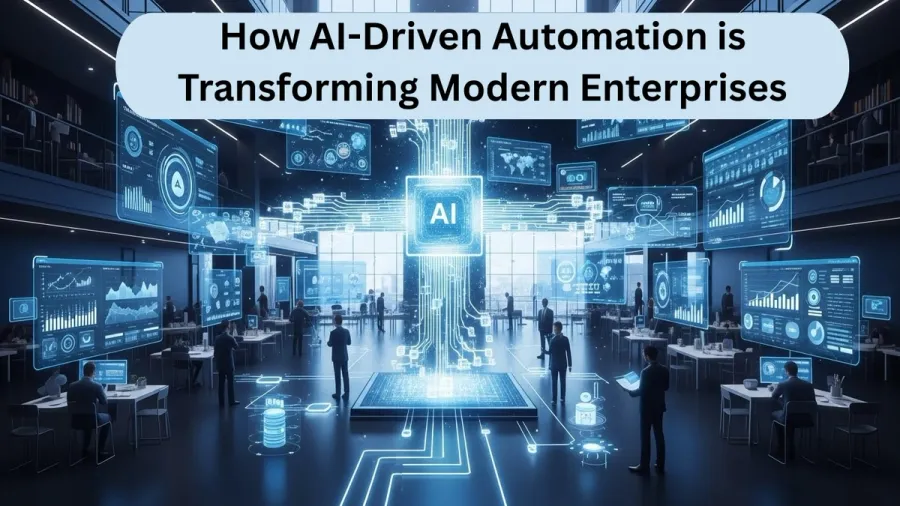
AI-Driven Automation Enterprise Automation Business Process Automation
January 3, 2026 In today’s rapidly evolving digital landscape, enterprises are under constant pressure to operate faster, smarter, and more efficiently. Traditional software systems, while functional, often struggle to keep up with growing data volumes, complex workflows, and rising customer expectations. This is where AI-driven automation is redefining how modern enterprises function.
AI is no longer a futuristic concept — it has become a practical, results-driven enabler that helps organizations streamline operations, enhance decision-making, and unlock sustainable growth.
AI Development Artificial Intelligence AI Programming
January 2, 2026 Artificial Intelligence (AI) is evolving at an unprecedented pace, transforming industries from healthcare and finance to entertainment and logistics. As we step into 2026, the demand for skilled AI developers continues to surge. But not all AI skills are created equal. To succeed in this rapidly changing landscape, professionals need a combination of technical expertise, business understanding, and ethical awareness.
In this blog, we’ll explore the essential AI development skills that truly matter in 2026 and how aspiring and current developers can prepare for the future.
Artificial Intelligence Autonomous AI Intelligent AI Agents
January 2, 2026 Artificial Intelligence has evolved significantly over the past decade. While traditional AI models have helped automate tasks and analyze data, a new generation of AI—Agentic AI systems—is redefining what “intelligence” truly means. These systems are not just reactive tools; they are autonomous, goal-driven, and capable of making decisions on their own.
In this blog, we’ll explore why agentic AI systems are considered smarter than traditional AI models and how they are transforming the future of technology and business.

software development CRM/ERP Solutions
January 1, 2026 Learn how Accucia Softwares helps enterprises build secure, scalable, and AI-powered software solutions with a business-first development approach.
Digital Workforce AI Automation Intelligent Automation
January 1, 2026 As growing companies scale operations, they face a common challenge: increasing complexity without proportionally increasing headcount. In this environment, AI agents are emerging as the new digital workforce, enabling organizations to scale faster, operate smarter, and remain competitive.
Unlike traditional automation tools or chatbots, AI agents are autonomous, goal-oriented systems capable of making decisions, executing tasks, and continuously improving. In 2026 and beyond, AI agents are not just supporting employees—they are becoming essential team members in modern enterprises.
Custom CRM CRM Development Workflow Automation
January 1, 2026 In today’s competitive business environment, managing customer relationships efficiently is no longer optional—it’s essential. Off-the-shelf software may provide basic solutions, but every business has unique workflows, customer touchpoints, and growth strategies. This is where custom CRM development services become a game-changer.
A well-designed custom CRM (Customer Relationship Management) system is tailored to your specific needs, helping you streamline operations, improve customer interactions, and boost overall productivity.
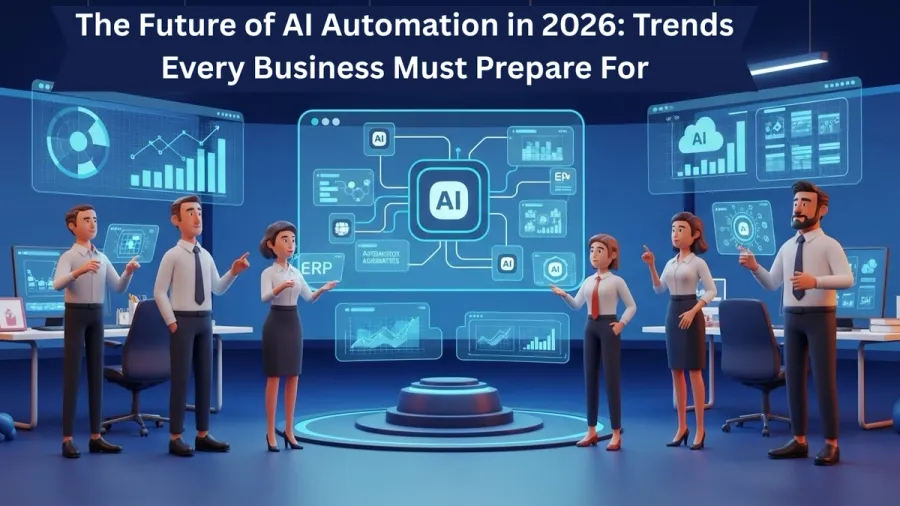
AI Automation Future of AI AI Trends 2026
January 1, 2026 As organizations continue to accelerate digital transformation, AI automation is evolving from a productivity tool into a strategic business driver. In 2026, automation is no longer limited to rule-based workflows or task execution—it is becoming intelligent, autonomous, and deeply integrated into enterprise decision-making.
Businesses that prepare now will gain a significant competitive advantage, while those that delay risk falling behind in efficiency, innovation, and customer experience. Understanding the key AI automation trends shaping 2026 is essential for leaders planning sustainable growth.
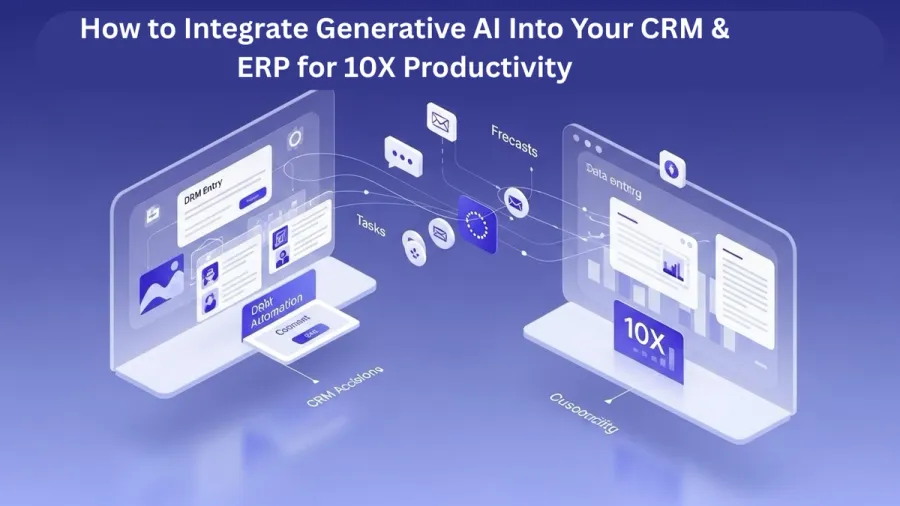
Generative AI AI in CRM CRM Automation
December 31, 2025 In today’s hyper-competitive business environment, organizations are seeking ways to maximize efficiency, enhance customer experiences, and accelerate growth. Generative Artificial Intelligence (AI) is emerging as a game-changing technology, capable of transforming how businesses operate. When integrated into Customer Relationship Management (CRM) and Enterprise Resource Planning (ERP) systems, generative AI can unlock unprecedented productivity and strategic insights.
At Accucia Softwares, we help businesses harness AI-driven solutions that seamlessly enhance CRM and ERP capabilities, enabling organizations to operate smarter, faster, and more efficiently. Here’s how generative AI can be integrated and the tangible benefits it delivers.
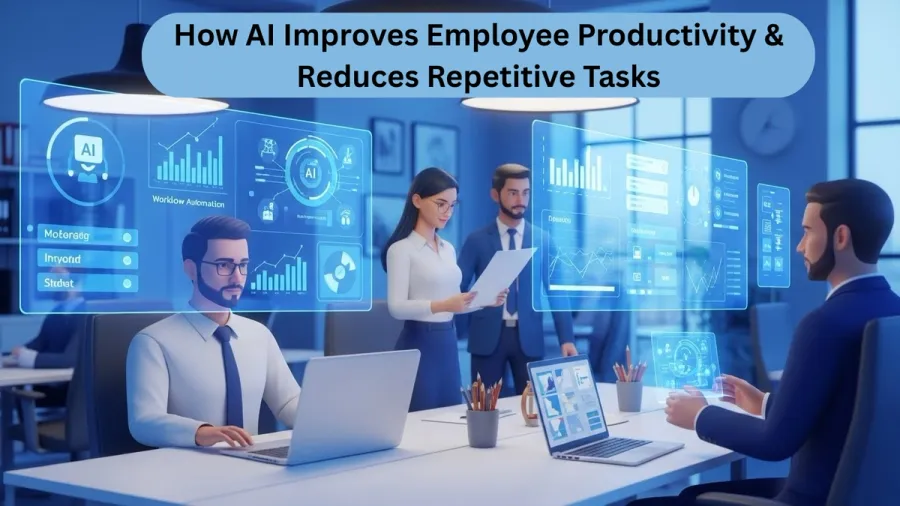
Workflow automation Employee Productivity AI automation
December 31, 2025 In today’s fast-moving digital workplace, employee productivity is no longer just about working harder it’s about working smarter. Businesses across industries are turning to Artificial Intelligence (AI) to eliminate repetitive tasks, reduce manual effort, and help employees focus on high-value work.
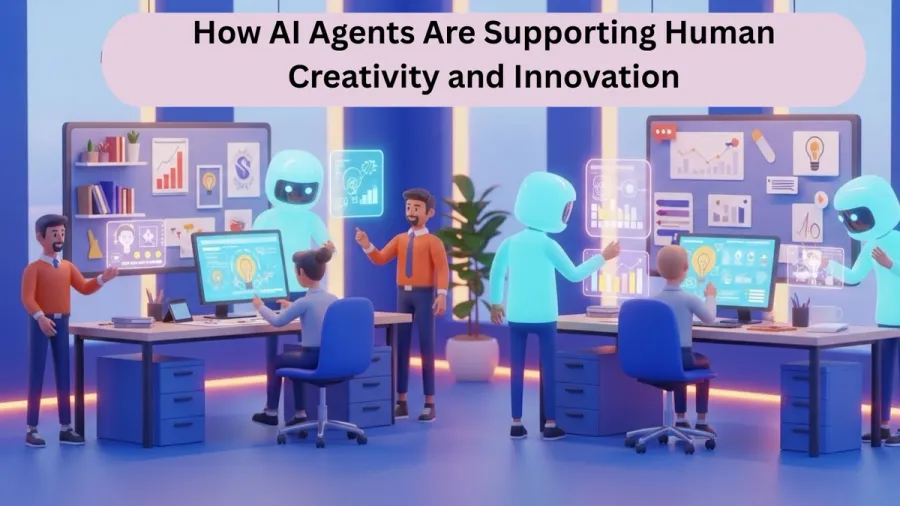
Human-AI Collaboration Creativity & Innovation AI in the Workplace
December 31, 2025 In today’s fast-paced business environment, innovation is no longer a luxury—it’s a necessity. Organizations that can adapt, create, and deliver new ideas faster than their competitors gain a strategic advantage. While humans have always been at the center of creativity, the rise of AI agents is transforming how teams generate ideas, solve problems, and innovate at scale.
AI agents are autonomous, intelligent systems capable of understanding context, analyzing data, and performing complex tasks without constant supervision. Beyond automating repetitive work, these systems are increasingly being deployed to augment human creativity, enabling teams to focus on high-value, imaginative, and strategic activities.
AI Agents Chatbots AI Agents vs Chatbots
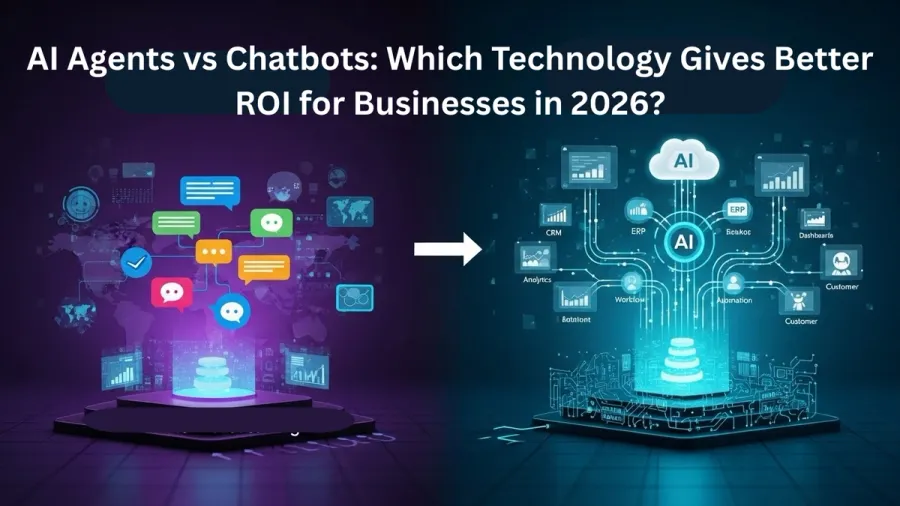
December 31, 2025 As businesses accelerate digital transformation, artificial intelligence is becoming central to improving efficiency, customer experience, and operational performance. Two of the most widely adopted AI technologies are chatbots and AI agents. While both are designed to automate interactions and tasks, their capabilities, impact, and return on investment (ROI) differ significantly. In 2026, choosing the right solution is no longer about automation alone—it is about measurable business value.
Understanding the differences between AI agents and chatbots is essential for organizations aiming to invest in technology that delivers long-term growth and competitive advantage.
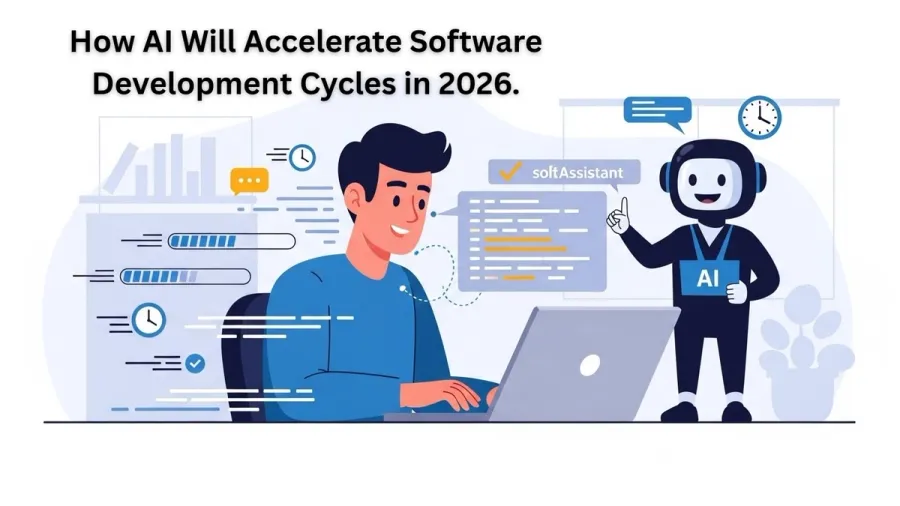
December 30, 2025 Discover how AI will accelerate software development cycles in 2026, helping businesses build faster, reduce costs, and improve code quality.
AI in Business Cost Reduction with AI Intelligent Process Automation
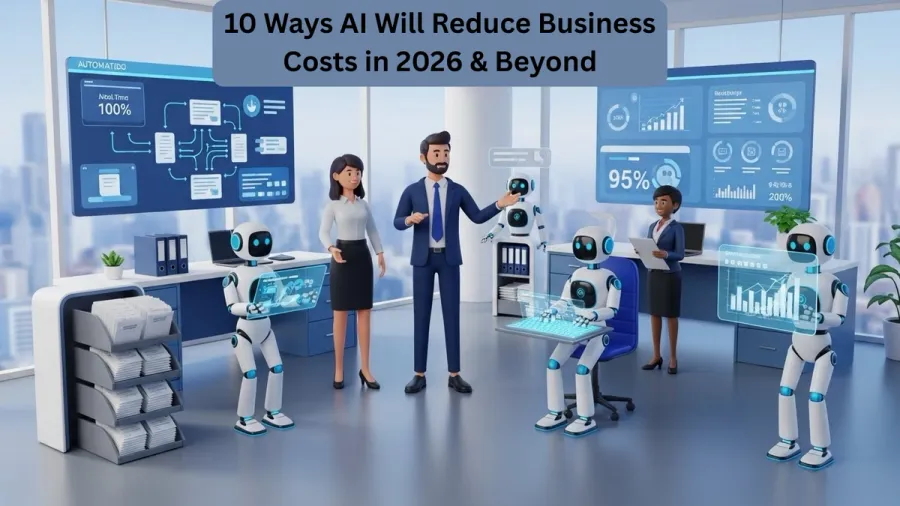
December 30, 2025 Artificial Intelligence is rapidly reshaping how businesses operate, compete, and grow. As we move into 2026 and beyond, AI is no longer a luxury reserved for large enterprises—it has become a practical, cost-saving tool for organizations of all sizes.
At Accucia Softwares, we work closely with businesses to implement AI-driven solutions that improve efficiency, reduce operational expenses, and enable smarter decision-making. Below are ten impactful ways AI will help businesses significantly reduce costs in the years ahead.
Agentic AI Generative AI AI Automation
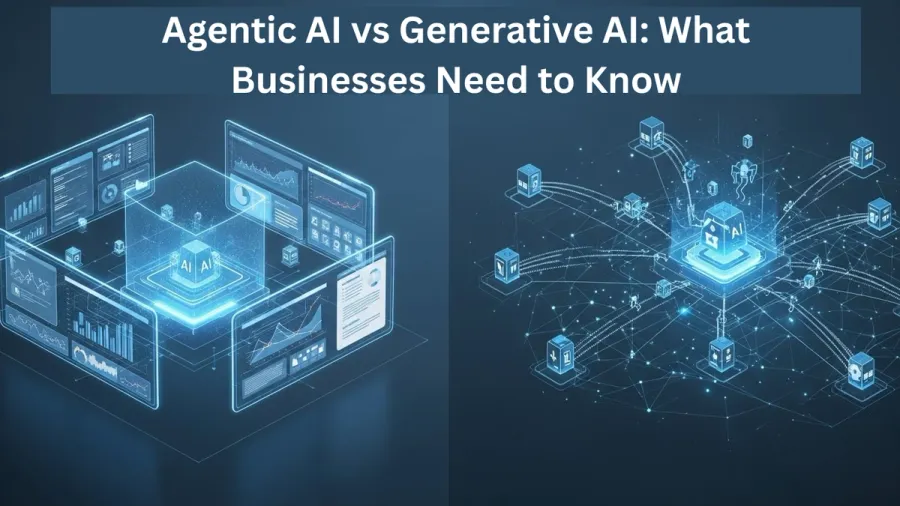
December 30, 2025 Artificial Intelligence has rapidly moved from experimental technology to a strategic business driver. As organizations adopt AI to improve efficiency, innovation, and decision-making, two distinct paradigms are shaping the conversation: Generative AI and Agentic AI.
While both approaches leverage advanced machine learning, they differ significantly in purpose, capability, and business impact. Understanding these differences is essential for leaders planning sustainable AI adoption and long-term digital transformation.
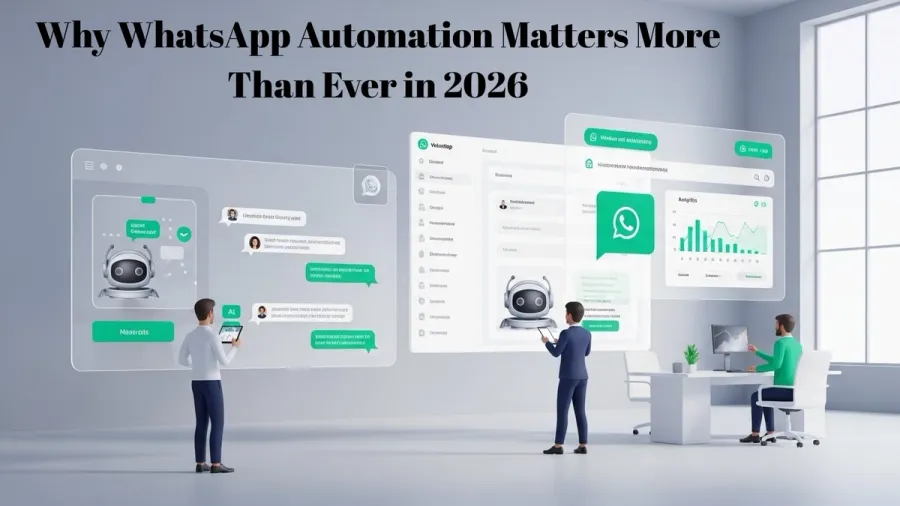
WhatsApp Automation WhatsApp Automation for Business Business Growth 2026
December 29, 2025 Customer communication is evolving faster than ever. In 2026, businesses are no longer competing only on products or pricing—they are competing on speed, personalization, and experience. With over two billion active users worldwide, WhatsApp has become one of the most trusted and widely used communication platforms for customers.
However, managing large volumes of customer interactions manually is neither scalable nor efficient. This is where WhatsApp Automation becomes essential. By automating conversations, notifications, and workflows, businesses can engage customers instantly, consistently, and at scale.
At Accucia Softwares, we help organizations leverage WhatsApp Automation as a strategic growth tool—not just a messaging solution.
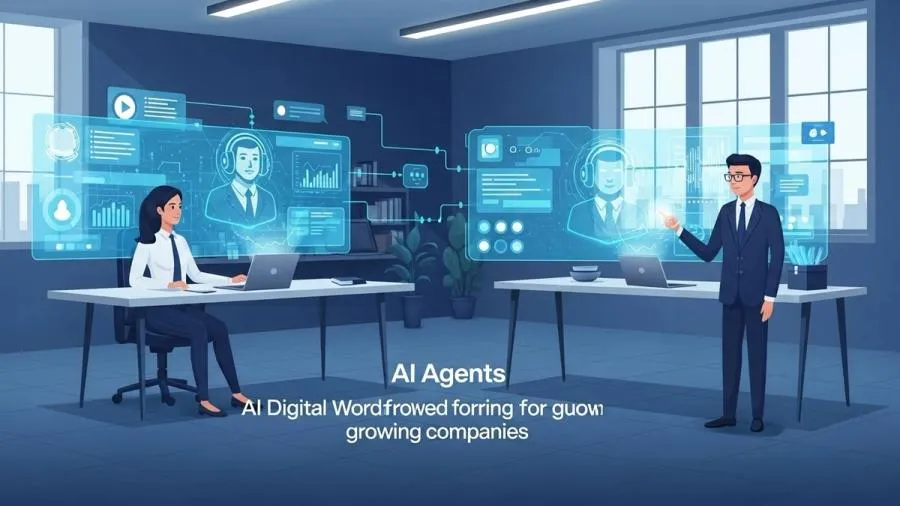
AI agents AI agents for business AI workforce,
December 20, 2025 Every business today wants to grow faster, reduce costs, and deliver a better customer experience. But with limited time and manpower, it gets difficult to do everything perfectly.
That’s why AI agents are becoming the new digital workforce for modern companies. They work like smart virtual employees, handling tasks, analyzing data, replying to customers, and improving over time.
December 20, 2025 Learn how a custom CRM helps your sales team increase revenue, improve customer satisfaction, streamline data sharing, and generate new business. Explore Accucia’s custom CRM solutions today.

WhatsApp automation WhatsApp AI chatbot WhatsApp automation software
December 3, 2025 Explore WhatsApp automation for businesses, its key benefits, popular use cases, and how automated messaging can improve customer satisfaction and conversions.
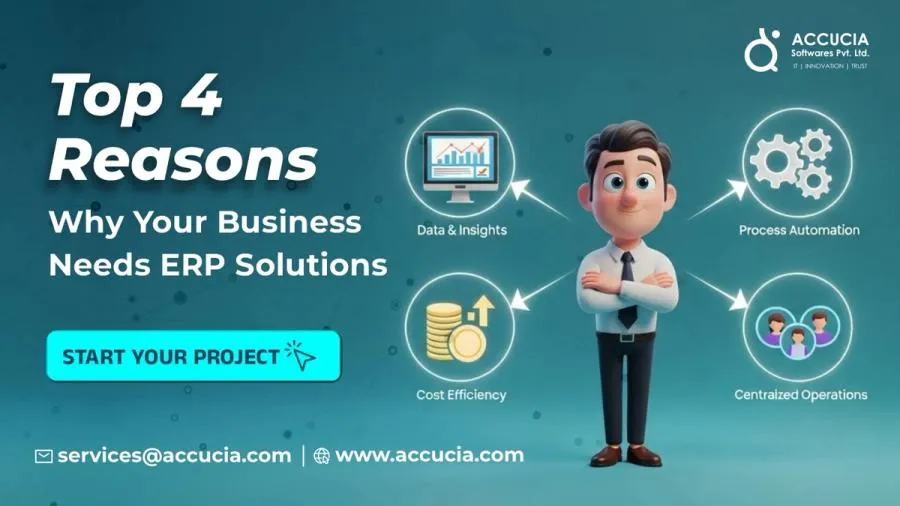
Best erp software cloud based erp solutions erp solutions
December 1, 2025 Every business today wants to grow faster, reduce costs, and deliver a better customer experience. But with limited time and manpower, it gets difficult to do everything perfectly.
That’s why AI agents are becoming the new digital workforce for modern companies. They work like smart virtual employees, handling tasks, analyzing data, replying to customers, and improving over time.

AI agents enterprise AI solutions business process automation
November 5, 2025 Embracing AI for Tomorrow’s Business Success: Why Now Is the Time
In today’s hyper-competitive digital landscape, businesses aren’t just racing against rivals, they’re outpacing those who ignore AI’s transformative power. Forward-thinking companies leveraging AI and intelligent systems are boosting revenues, streamlining operations, and creating unforgettable customer journeys that drive loyalty.
At Accucia Softwares, we empower businesses to transition from outdated methods to cutting-edge AI solutions that deliver tangible growth, security, and efficiency tailored for the real demands of 2026 and beyond.

AI in Legal Industry AI-Powered Legal Tools Digital Transformation in Law
October 4, 2025 The legal industry has always relied heavily on research, documentation, and accuracy. But as case data grows and client expectations rise, traditional workflows are becoming slow, expensive, and inefficient.

website development Custom web design web development services
September 19, 2025 Still running your business without a website? Learn how missing a website impacts sales, leads, trust, and why a custom website gives you a competitive edge.
✅ Option 3 (Local Business + Trust Angle)
Meta Title:
Why Not Having a Website Is Costing Your Business Sales & Leads
Meta Description:
Over 90% of customers search online before buying. Find out how a professional website helps build credibility, increase sales, and grow your business.
If you want, I can also:
Optimize this specifically for Accucia Softwares
Shorten it further for better CTR
Add local SEO keywords like custom website development company in India / Pune
Custom App Development Ai Quality Assurance
August 6, 2025 Discover why custom app development is crucial for business growth in India's competitive market. Learn common mistakes to avoid and how Accucia Softwares can help you create a scalable, secure, and user-friendly app. Book a free consultation today