Why Government & Public Sector Projects Need Custom Software
Governments and public sector organizations across the world are under increasing pressure to deliver services that are efficient, transparent, secure, and citizen-centric. From healthcare and education to transportation, utilities, and municipal services, technology now plays a central role in how public services are planned, delivered, and monitored.
However, many government projects still rely on outdated systems or generic, off-the-shelf software that fails to address the complexity and scale of public sector operations. This is where custom software development becomes not just beneficial, but essential.
1. Unique and Complex Requirements
Government processes are fundamentally different from those of private businesses. They often involve:
- Multi-department coordination
- Complex approval hierarchies
- Large volumes of data
- Strict compliance and reporting standards
- Long operational lifecycles
Off-the-shelf software is designed for generalized use cases. It rarely fits the specific workflows, policies, and regulations that public institutions must follow.
Custom software, on the other hand, is designed around the exact needs of the organization, ensuring that processes are digitized accurately rather than being forced into predefined templates.
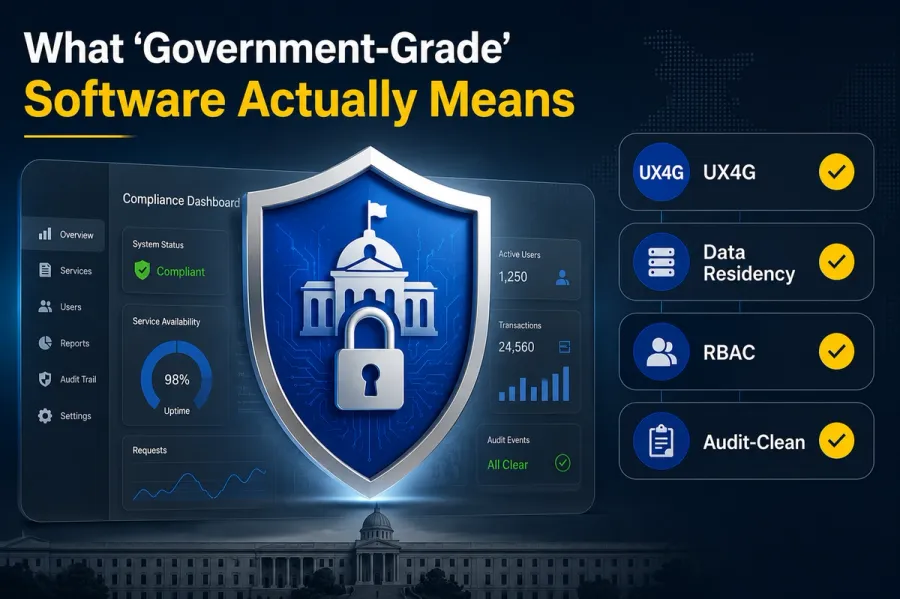
2. Compliance, Security, and Data Sovereignty
Public sector systems handle highly sensitive data, including:
- Citizen identity information
- Health records
- Financial and tax data
- Law enforcement or legal information
Governments must comply with strict security, privacy, and data-localization regulations. Generic software solutions may not fully align with local laws or evolving compliance requirements.
Custom software allows governments to:
- Implement security protocols tailored to national standards
- Control where and how data is stored
- Integrate advanced authentication and access controls
- Regularly adapt systems to new regulations
This level of control is critical in maintaining public trust and preventing data breaches.
3. Scalability for Large and Growing User Bases
Public sector platforms often serve thousands or even millions of users, including citizens, employees, contractors, and partner agencies. Systems must perform reliably under high traffic while remaining accessible and responsive.
Custom-built solutions are designed with scalability in mind, allowing governments to:
- Add new services without rebuilding systems
- Handle peak usage during elections, emergencies, or public programs
- Integrate future technologies such as AI, automation, or analytics
This future-proofing is rarely possible with rigid, pre-packaged software.
4. Seamless Integration with Existing Systems
Most government departments already use multiple legacy systems. Replacing all of them at once is impractical and costly.
Custom software can be developed to integrate seamlessly with existing infrastructure, enabling:
- Data sharing across departments
- Unified dashboards and reporting
- Gradual modernization rather than disruptive overhauls
This approach reduces risk, lowers costs, and ensures continuity of public services.
5. Transparency and Accountability
Transparency is a cornerstone of good governance. Citizens increasingly expect visibility into processes such as:
- Service requests and grievance redressal
- Fund allocation and utilization
- Application and approval statuses
Custom software enables governments to build systems that promote transparency through:
- Real-time tracking and reporting
- Audit trails and logs
- Public dashboards and citizen portals
These features improve accountability while reducing manual work and human error.
6. Improved Citizen Experience
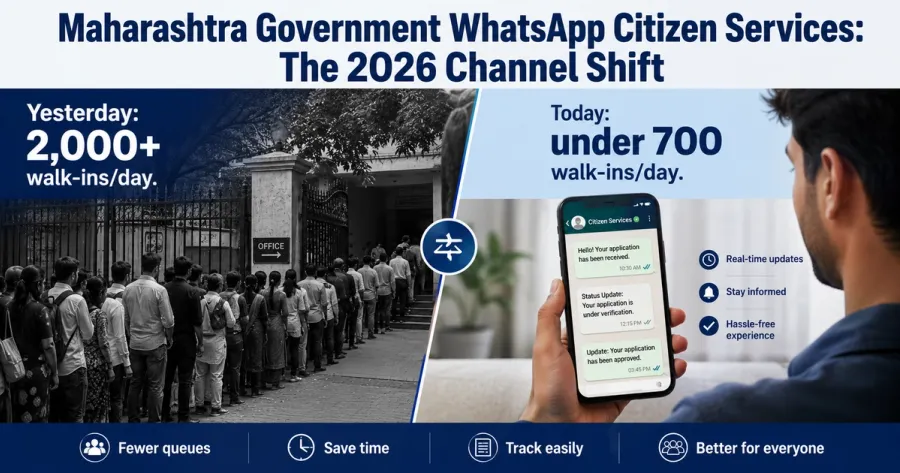
Modern citizens expect government services to be as simple and intuitive as private sector platforms. Long queues, paperwork, and unclear processes damage public perception and efficiency.
Custom digital platforms can deliver:
- User-friendly portals and mobile apps
- Multilingual support
- Automated notifications and updates
- Faster service delivery
By focusing on citizen experience, governments can increase engagement, satisfaction, and trust.
7. Cost Efficiency Over the Long Term
While custom software may appear more expensive initially, it often proves more cost-effective over time. Governments avoid:
- Recurring licensing fees
- Paying for unused features
- Costly workarounds for mismatched systems
Instead, they invest in a solution built specifically for their needs, with full ownership and long-term adaptability.
8. Enabling Digital Transformation and Smart Governance
Custom software acts as the foundation for broader digital transformation initiatives, such as:
- Smart city platforms
- E-governance systems
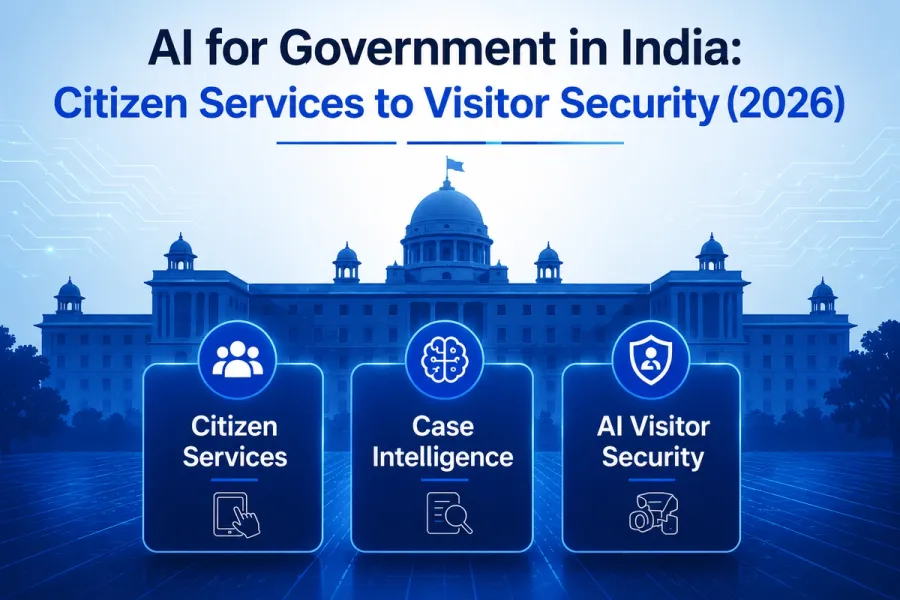
- AI-driven decision support
- Automated service delivery
These initiatives help governments operate more efficiently while making data-driven decisions that improve outcomes for citizens.
Conclusion
Government and public sector projects operate in an environment where accuracy, security, scalability, and accountability are non-negotiable. Generic software solutions often fall short in meeting these demands.
Custom software empowers public institutions to modernize operations, improve citizen services, ensure compliance, and prepare for the future. As governments continue to embrace digital transformation, custom-built solutions will remain a critical pillar of effective and responsible governance.
Start your digital transformation journey