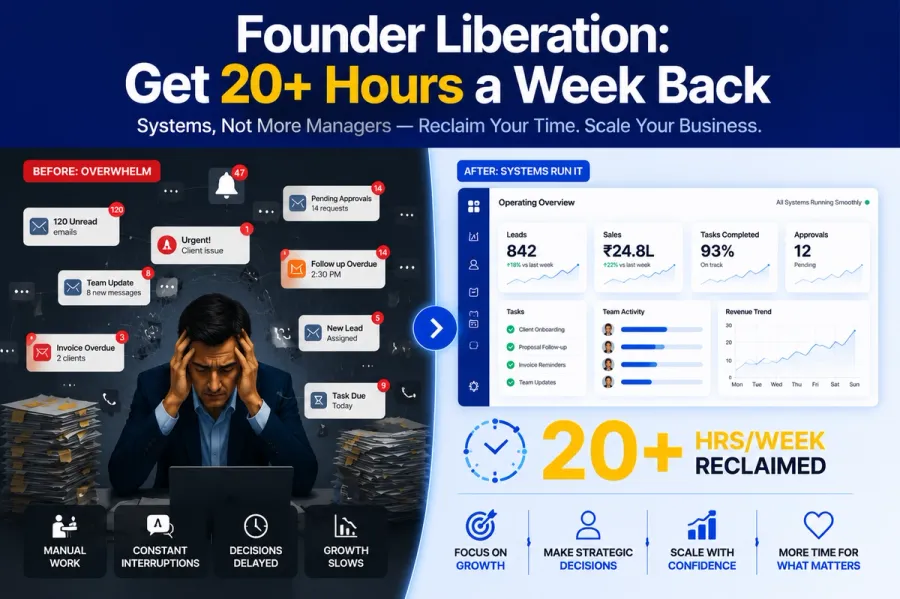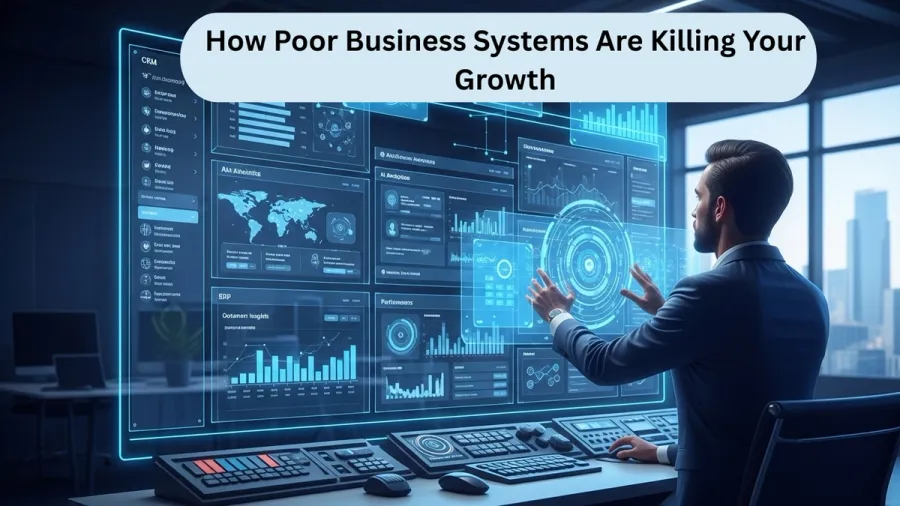
Is Your ERP Too Slow? How Slow Systems Are Secretly Killing Business Productivity
Most businesses invest in ERP systems expecting better efficiency, faster workflows, and improved control over operations.
But what happens when the ERP itself becomes the bottleneck?
Many companies today are struggling with slow, outdated ERP systems that delay processes, frustrate employees, and quietly reduce productivity across the organization.
If your team frequently complains that your ERP is slow, complicated, or takes too long to load, it may be costing your business far more than you realize.
In this article, we’ll explore why slow ERP systems occur, how they impact businesses, and what modern companies are doing to solve this problem.
Signs Your ERP System Is Too Slow
A slow ERP rarely fails suddenly. Instead, it slowly starts creating friction in daily operations.
Here are some warning signs.
1. Employees Avoid Using the System
When a system is slow or complicated, employees try to avoid it.
They start using:
- spreadsheets
- WhatsApp messages
- manual notes
- phone calls
This creates data fragmentation and operational chaos.
2. Reports Take Too Long to Generate
Managers often depend on ERP reports for decisions.
But if your ERP takes minutes instead of seconds to generate reports, your team may start operating without real-time insights.
That means slower decisions and missed opportunities.
3. Technicians or Field Staff Can't Access Data Quickly
In industries like:
- elevator maintenance
- field service management
- facility maintenance
- construction services
slow ERP systems can delay access to:
- service history
- spare part inventory
- maintenance records
- technician schedules
When technicians don’t get data instantly, service delays increase.
4. System Freezes During Busy Hours
Many legacy ERP systems struggle when multiple users log in simultaneously.
This creates problems like:
- system lag
- data sync delays
- screen freezing
- failed updates
These small delays add up to hours of lost productivity every week.
Why Many ERP Systems Become Slow
Understanding the cause helps businesses make better technology decisions.
Outdated Architecture
Many ERP systems were built 10–15 years ago, before modern cloud infrastructure existed.
These systems were not designed for:
- mobile users
- distributed teams
- real-time analytics
- IoT integrations
Too Many Customizations
Over time, businesses keep adding:
- custom modules
- plugins
- integrations
Eventually the ERP becomes heavy and slow.
Poor Database Optimization
Large databases with millions of records can slow down ERP queries if the system is not optimized for performance.
On-Premise Infrastructure Limitations
Older ERP systems hosted on local servers may suffer from:
- limited hardware capacity
- slow network speeds
- outdated storage systems
Cloud-based systems usually solve these issues.
The Hidden Cost of Slow ERP Systems
A slow ERP doesn't just waste time.
It quietly damages business performance in multiple ways.
Reduced Employee Productivity
If employees waste even 15 minutes per day waiting for systems to load, the company loses hundreds of hours annually.
Poor Customer Experience
Slow systems mean:
- delayed service responses
- slower quotations
- delayed support tickets
Customers notice these delays quickly.
Operational Blind Spots
Without fast data access, managers lose visibility into:
- technician performance
- maintenance schedules
- inventory availability
- service profitability
This reduces strategic control.
What Modern Businesses Are Doing Instead
Forward-thinking companies are now shifting toward modern, cloud-based business management platforms.
These systems are designed to deliver:
Real-Time Data Access
Cloud systems allow teams to access information instantly from anywhere.
Mobile-First Field Operations
Technicians can use mobile apps to:
- update service reports
- check equipment history
- upload inspection photos
- complete maintenance checklists
This eliminates paperwork and delays.
Faster System Performance
Modern platforms use:
- optimized cloud infrastructure
- distributed databases
- scalable architecture
This ensures fast performance even with thousands of users.
How Industry-Specific Software Solves ERP Problems
Many businesses are also realizing that generic ERP systems are not ideal for specialized industries.
For example:
Elevator service companies require tools for:
- AMC tracking
- technician dispatch
- spare parts inventory
- compliance documentation
- service reports
- maintenance schedules
Industry-specific platforms simplify these workflows and eliminate unnecessary ERP complexity.
The Future: Faster, Smarter Business Systems
The next generation of business software focuses on three key priorities:
Speed
Systems must respond instantly.
Mobility
Employees should access the platform from any device.
Automation
Manual tasks should be automated wherever possible.
Businesses adopting these systems gain a significant advantage in operational efficiency.
Final Thoughts
A slow ERP system may seem like a minor inconvenience, but over time it can silently reduce productivity, frustrate employees, and limit business growth.
Modern businesses are now shifting toward fast, cloud-based, industry-specific platforms that provide real-time visibility and smoother workflows.
If your ERP feels slow, complicated, or outdated, it may be time to rethink the technology powering your operations.
Discover how modern business platforms can simplify workflows and boost productivity.