How Digital Transformation Is Redefining the E-Commerce Industry in 2026
The e-commerce industry has evolved far beyond online storefronts. In 2026, digital transformation is no longer a competitive advantage—it is a business necessity. Rapid advancements in technology, changing consumer expectations, and the demand for seamless, personalized experiences are redefining how e-commerce businesses operate, scale, and compete.
Organizations that embrace digital transformation are not only improving customer experiences but also building resilient, future-ready commerce ecosystems.
Understanding Digital Transformation in E-Commerce
Digital transformation in e-commerce refers to the strategic integration of advanced technologies across business operations, customer engagement, supply chains, and decision-making processes. It goes beyond adopting new tools—it involves rethinking business models, optimizing workflows, and leveraging data to drive growth.
In 2026, successful e-commerce brands are those that combine technology, agility, and innovation to deliver value at every touchpoint.
Key Ways Digital Transformation Is Reshaping E-Commerce
1. Personalized and AI-Driven Customer Experiences
Artificial Intelligence (AI) and Machine Learning (ML) have become central to modern e-commerce platforms. Businesses are using AI to:
- Deliver personalized product recommendations
- Optimize pricing strategies in real time
- Enhance search and navigation experiences
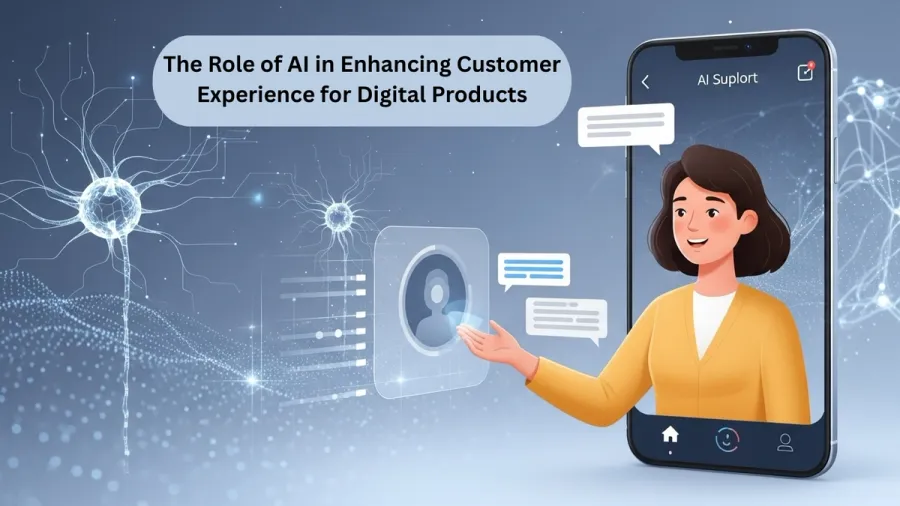
- Improve customer support through intelligent chatbots
This level of personalization has significantly improved customer engagement, retention, and conversion rates.
2. Omnichannel Commerce as a Standard
In 2026, customers expect consistent experiences across websites, mobile apps, marketplaces, and social commerce platforms. Digital transformation enables businesses to unify all sales channels into a single ecosystem, providing:
- Real-time inventory visibility
- Seamless order fulfillment
- Consistent branding and messaging
- Integrated customer data
Omnichannel strategies are no longer optional—they are essential for customer satisfaction.
3. Cloud-Native and Scalable Architectures
Cloud computing has redefined scalability and performance in e-commerce. Modern platforms leverage cloud-native architectures to:
- Handle traffic spikes during peak seasons
- Reduce infrastructure costs
- Improve deployment speed and flexibility
- Ensure high availability and disaster recovery
Microservices-based architectures further enable faster innovation and easier system upgrades without disrupting operations.
4. Data-Driven Decision Making
Data is the backbone of digital transformation. Advanced analytics tools allow e-commerce businesses to gain actionable insights into:
- Customer behavior and preferences
- Sales trends and demand forecasting
- Marketing campaign performance
- Supply chain efficiency
By leveraging real-time data, organizations can make informed decisions, reduce risks, and respond quickly to market changes.
5. Automation Across Operations
Automation has significantly improved operational efficiency in e-commerce. From order processing and inventory management to customer communication and logistics, automation helps businesses:
- Reduce manual errors
- Lower operational costs
- Improve delivery timelines
- Scale operations efficiently
In 2026, automation is a key driver of profitability and consistency.
6. Enhanced Security and Compliance
As digital transactions increase, so do cybersecurity risks. Digital transformation focuses heavily on:
- Secure payment gateway integrations
- Data encryption and privacy protection
- Compliance with global regulations
- Fraud detection systems powered by AI
Building trust through secure platforms is critical for long-term customer relationships.
The Role of Custom Software Development
Off-the-shelf e-commerce solutions often fall short when businesses aim to scale or differentiate. Custom software development enables organizations to:
- Build platforms aligned with specific business goals
- Integrate seamlessly with existing ERP, CRM, and third-party systems
- Enhance performance, flexibility, and user experience
- Future-proof their technology investments
Tailored solutions allow e-commerce businesses to stay agile in an ever-changing digital landscape.
Looking Ahead: The Future of E-Commerce
Digital transformation in 2026 is focused on creating intelligent, connected, and customer-centric commerce ecosystems. Technologies such as AI, cloud computing, automation, and advanced analytics will continue to shape the industry.
Businesses that invest in digital transformation today will be better positioned to adapt, innovate, and lead tomorrow.
Digital transformation is redefining the e-commerce industry by enabling smarter operations, richer customer experiences, and scalable growth. As competition intensifies, adopting modern technologies and custom digital solutions is essential for sustainable success.
At Accucia Softwares, we help e-commerce businesses navigate digital transformation by delivering scalable, secure, and high-performance software solutions designed for the future of digital commerce.
Start Your Digital Transformation