Preparing Your Business for the Next Wave of Digital Transformation Trends
Digital transformation is no longer a one-time initiative—it is a continuous journey. As technology evolves at an unprecedented pace, businesses must stay ahead of emerging trends to remain competitive, resilient, and future-ready. The next wave of digital transformation goes beyond basic automation and cloud adoption, focusing on intelligence, agility, and customer-centric innovation.
In this blog, we explore key digital transformation trends shaping the future and how businesses can prepare to embrace them successfully.
1. AI-Driven Business Intelligence and Automation
Artificial Intelligence (AI) is becoming the backbone of modern digital transformation. Businesses are moving from rule-based automation to intelligent, self-learning systems that analyze data, predict outcomes, and optimize processes in real time.
How to prepare:
- Adopt AI-powered analytics for data-driven decision-making
- Automate repetitive workflows using machine learning models
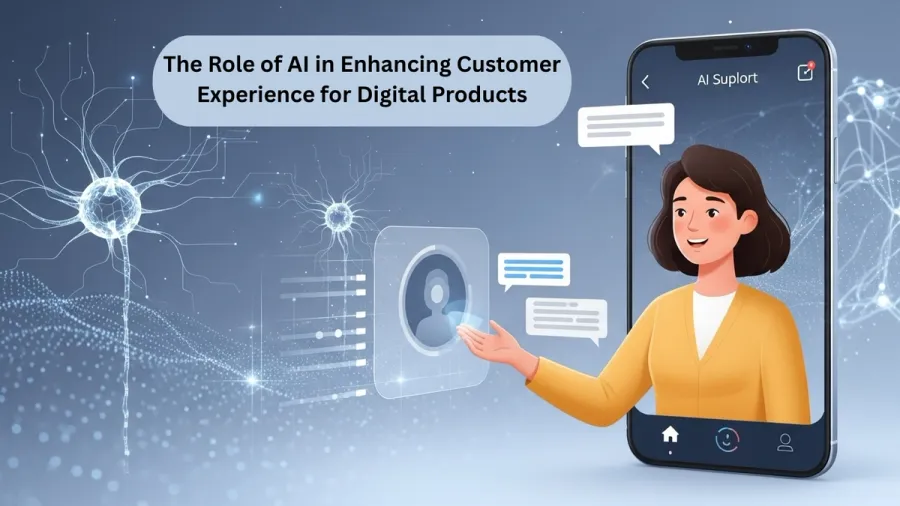
- Integrate AI chatbots and virtual assistants for customer support and engagement
AI enables businesses to operate smarter, faster, and with greater accuracy.
2. Hyper-Automation Across Business Processes
Hyper-automation combines AI, robotic process automation (RPA), and low-code platforms to automate complex business workflows end-to-end. It eliminates manual intervention, reduces errors, and boosts productivity.
How to prepare:
- Identify repetitive and time-consuming processes
- Implement custom automation solutions tailored to your operations
- Continuously monitor and optimize automated workflows
Hyper-automation allows businesses to scale operations without increasing overhead.
3. Cloud-First and Hybrid Digital Infrastructure
The next phase of digital transformation emphasizes flexible, cloud-first architectures that support remote work, scalability, and real-time collaboration. Hybrid cloud environments are becoming the norm for enhanced security and performance.
How to prepare:
- Migrate legacy systems to cloud-based platforms
- Use hybrid cloud solutions for data security and flexibility
- Ensure seamless integration between cloud and on-premise systems
A cloud-ready infrastructure ensures agility and long-term growth.
4. Customer-Centric Digital Experiences
Modern customers expect personalized, fast, and seamless digital experiences across all touchpoints. Businesses that prioritize customer experience gain higher retention and brand loyalty.
How to prepare:
- Use CRM and AI-driven personalization tools
- Develop user-friendly mobile and web applications
- Leverage data insights to understand customer behavior
Customer-centric transformation turns digital interactions into meaningful relationships.
5. Industry-Specific Custom Software Solutions
Generic software often fails to address unique business challenges. The future lies in custom-built, industry-specific solutions that align perfectly with business workflows and compliance needs.
How to prepare:
- Invest in custom ERP, CRM, or mobile solutions
- Choose a development partner with industry expertise
- Design scalable software that evolves with your business
Custom software provides flexibility, efficiency, and competitive advantage.
6. Cybersecurity and Data Privacy by Design
As businesses digitize operations, cybersecurity becomes a critical component of digital transformation. The next wave focuses on security-first architectures and compliance-driven development.
How to prepare:
- Implement advanced security protocols and data encryption
- Ensure compliance with data protection regulations
- Conduct regular security audits and updates
Strong cybersecurity builds trust and protects digital assets.
7. Continuous Innovation and Digital Culture
Successful digital transformation is not just about technology—it’s about people and mindset. Businesses that foster a digital-first culture adapt faster to change.
How to prepare:
- Upskill employees with digital training programs
- Encourage innovation and experimentation
- Partner with technology experts for long-term guidance
A culture of innovation ensures sustainable digital growth.
Conclusion
Preparing for the next wave of digital transformation means embracing intelligence, automation, customization, and security. Businesses that proactively adapt to these trends will not only survive but thrive in an increasingly digital world. By investing in the right technologies and choosing the right partners, organizations can future-proof their operations and unlock new growth opportunities.
Start your digital transformation now.