ERP Implementation Guide for Indian Manufacturers
In today’s competitive manufacturing landscape, relying on manual processes or disconnected systems is no longer sustainable. Indian manufacturers are increasingly adopting Enterprise Resource Planning (ERP) systems to streamline operations, improve efficiency, and gain real-time visibility across their business.
However, implementing an ERP system is not just about installing software—it’s about transforming how your business operates. This guide will walk you through everything you need to know about ERP implementation for Indian manufacturing businesses.
What is ERP in Manufacturing?
ERP (Enterprise Resource Planning) is a centralized software system that integrates all core business processes, including:
- Production planning
- Inventory management
- Procurement
- Finance & accounting
- Human resources
- Sales & distribution
For manufacturers, ERP ensures real-time data flow across departments, enabling better decision-making and operational control.
Why Indian Manufacturers Need ERP
1. Eliminate Manual Errors
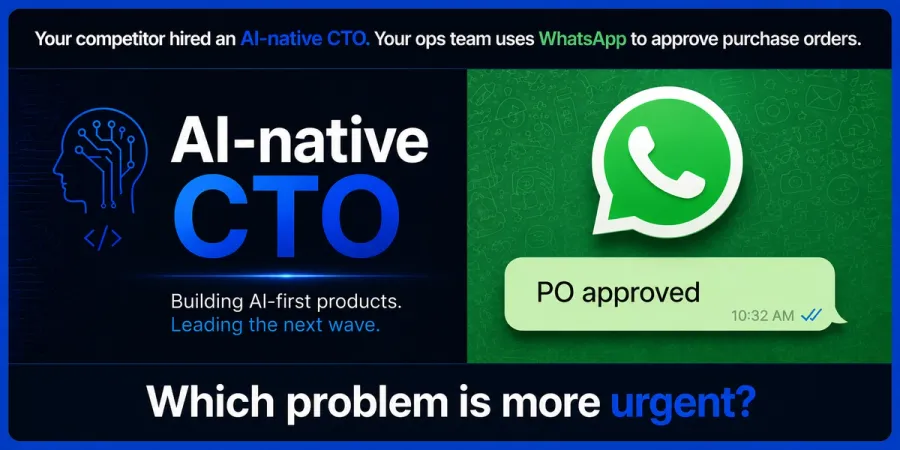
Managing operations through Excel sheets, calls, and WhatsApp often leads to errors and data duplication. ERP reduces manual intervention and improves accuracy.
2. Real-Time Visibility
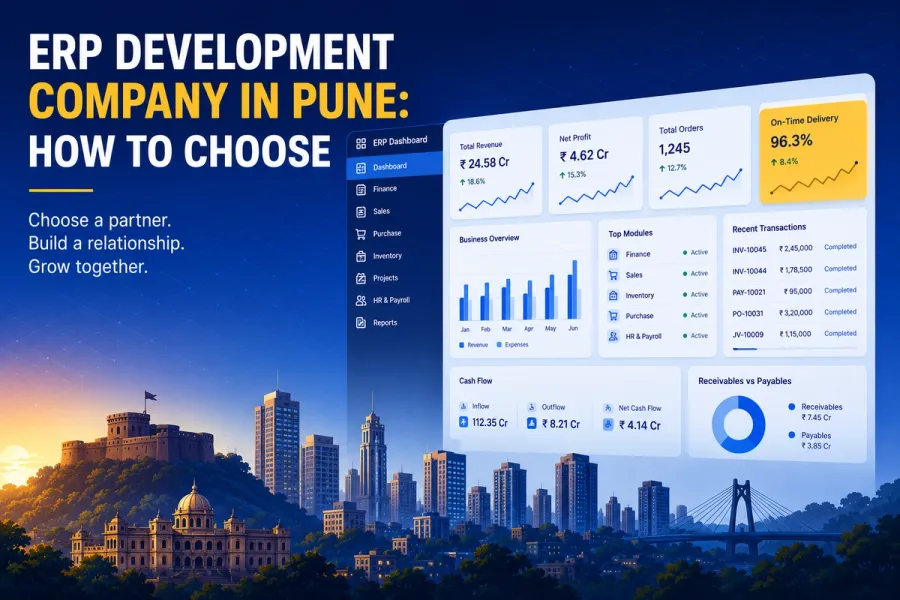
Get complete visibility into production status, inventory levels, and order tracking—all in one dashboard.
3. Better Production Planning
ERP helps in forecasting demand, optimizing resources, and reducing downtime.
4. Compliance & Reporting
Stay compliant with GST, audit requirements, and industry regulations with automated reporting.
5. Cost Optimization
Reduce wastage, avoid overstocking, and improve overall operational efficiency.
Key Challenges in ERP Implementation
Despite its benefits, ERP implementation can be challenging if not planned properly.
- Resistance to change from employees
- Lack of clear business processes
- Choosing the wrong ERP system
- Poor data migration
- Inadequate training
Understanding these challenges beforehand can help you prepare better.
Step-by-Step ERP Implementation Process
Step 1: Define Business Goals
Start by identifying what you want to achieve with ERP:
- Improve production efficiency
- Reduce costs
- Increase visibility
- Enhance decision-making
Clear goals will guide your entire implementation process.
Step 2: Choose the Right ERP Solution
Select an ERP system that fits your industry and business size. Consider:
- Scalability
- Customization options
- Cloud vs On-premise
- Integration capabilities
- Vendor support
Step 3: Map Your Processes
Analyze your current workflows and identify gaps. ERP implementation is the perfect opportunity to optimize and standardize processes.
Step 4: Data Preparation & Migration
Clean your existing data before migration. Poor data quality can lead to major issues post-implementation.
Step 5: Implementation & Customization
Configure the ERP system based on your business needs. Avoid over-customization, as it can increase complexity.
Step 6: Employee Training
Train your team properly to ensure smooth adoption. ERP success depends heavily on user acceptance.
Step 7: Testing & Go-Live
Test the system thoroughly before going live. Start with a pilot phase if needed, then roll out fully.
Step 8: Continuous Improvement
ERP implementation is not a one-time process. Continuously monitor performance and optimize workflows.
ERP Features Every Manufacturer Should Look For
- Inventory & warehouse management
- Production planning & scheduling
- Bill of Materials (BOM) management
- Quality control
- Financial management (GST-ready)
- Real-time dashboards & analytics
- Mobile access for operations
Cloud ERP vs Traditional ERP
Feature
Cloud ERP
Traditional ERP
Cost
Lower upfront cost
High initial investment
Accessibility
Access from anywhere
Limited to office
Maintenance
Managed by provider
In-house IT required
Scalability
Highly scalable
Limited scalability
For most Indian manufacturers, Cloud ERP is becoming the preferred choice due to flexibility and cost-effectiveness.
Common Mistakes to Avoid
- Implementing ERP without clear strategy
- Ignoring employee training
- Choosing software based only on cost
- Not involving stakeholders
- Poor change management
How Accucia Softwares Can Help
At Accucia Softwares, we specialize in delivering customized ERP solutions tailored for Indian manufacturing businesses.
What We Offer:
- End-to-end ERP implementation
- Custom ERP development
- Cloud-based scalable solutions
- Seamless integration with existing systems
- Ongoing support & optimization
Why Choose Accucia:
- Industry-focused expertise
- Cost-effective solutions
- Dedicated support team
- Scalable and future-ready systems
Conclusion
ERP implementation is a game-changer for Indian manufacturers. It not only streamlines operations but also enables data-driven decision-making, helping businesses scale efficiently.
If implemented correctly, ERP can transform your manufacturing business from reactive operations to a well-structured, growth-driven system.
Ready to transform your manufacturing? Get started with ERP today.